What You Are Seeing
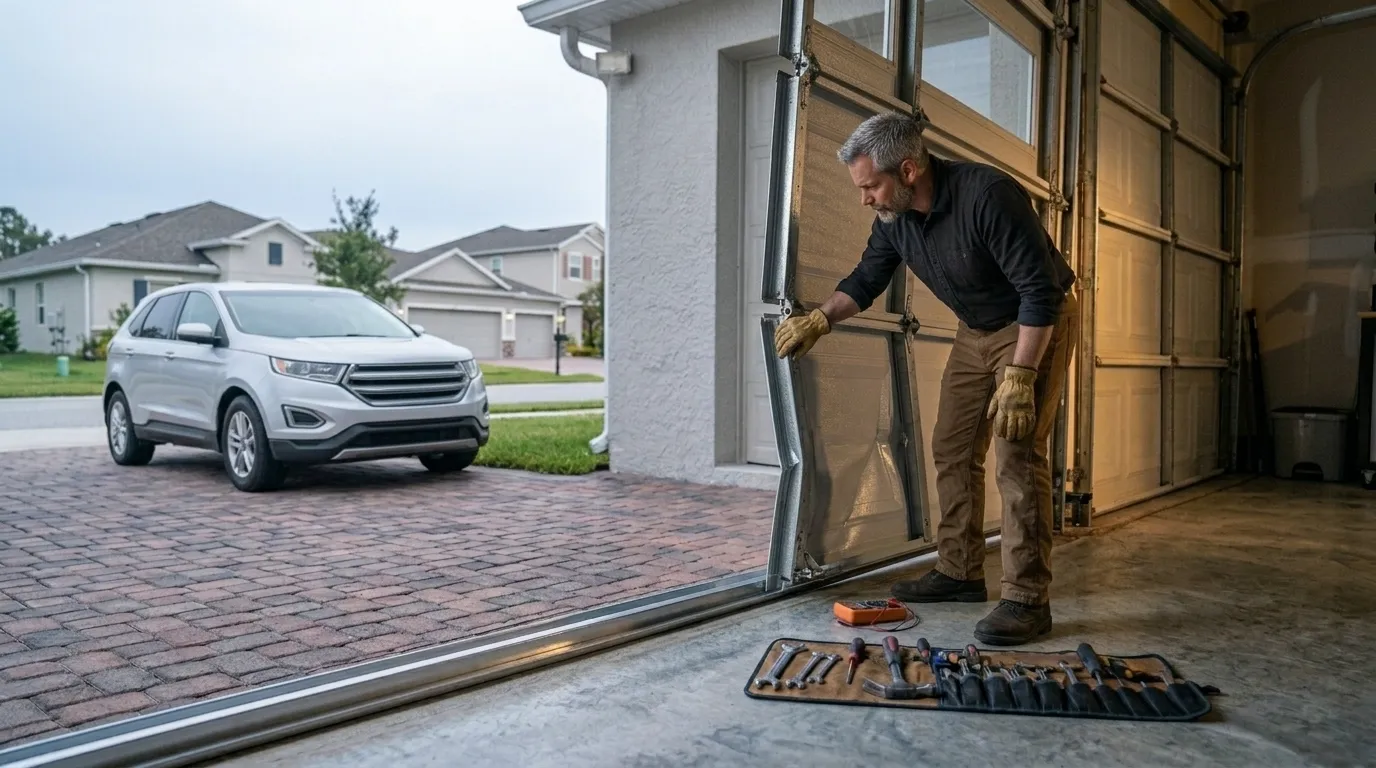
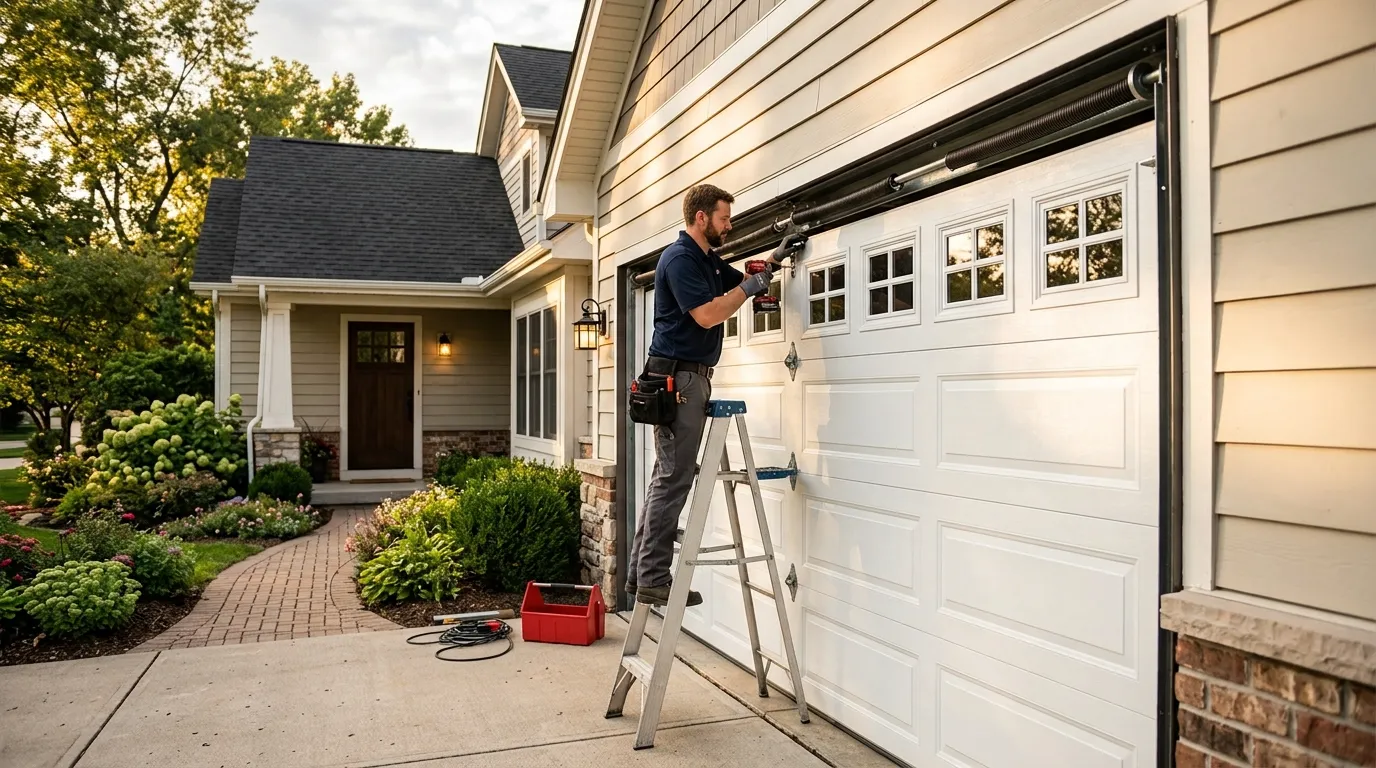
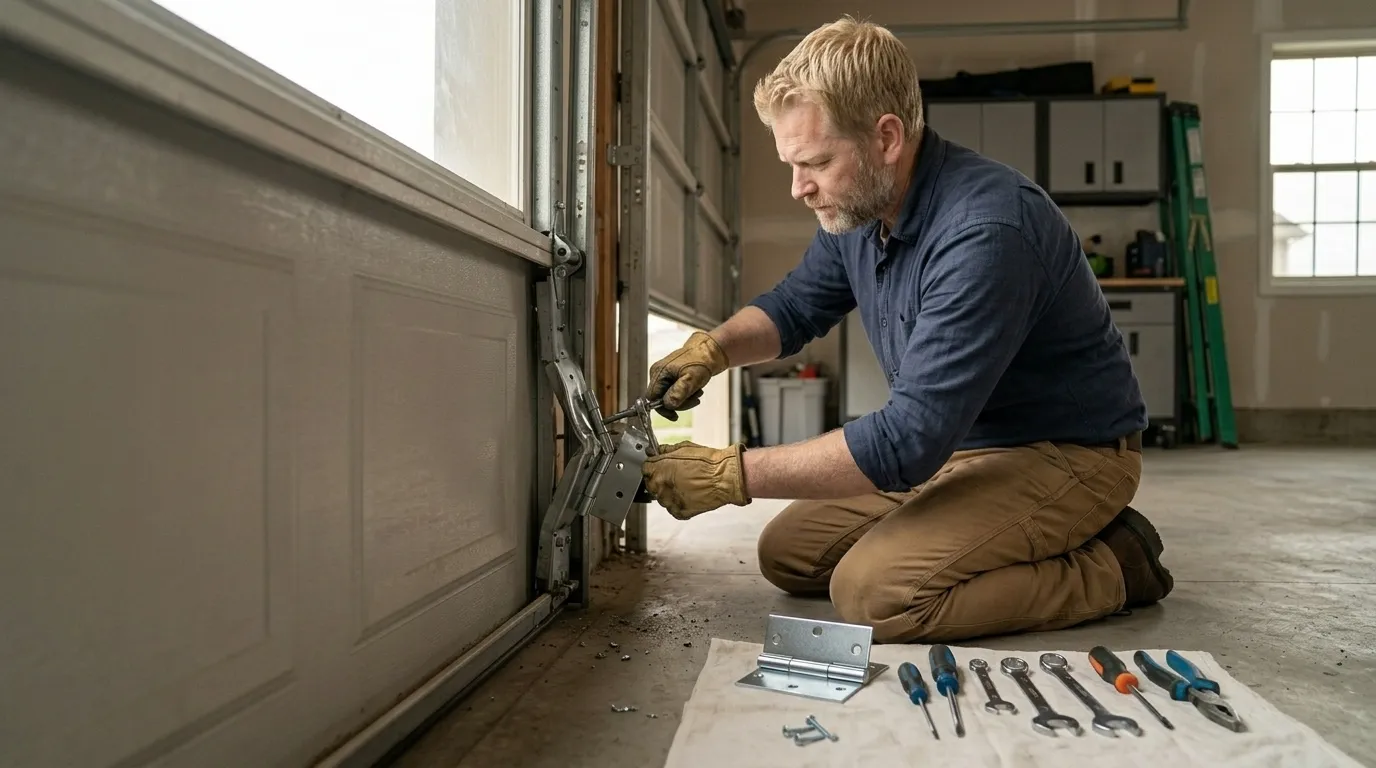
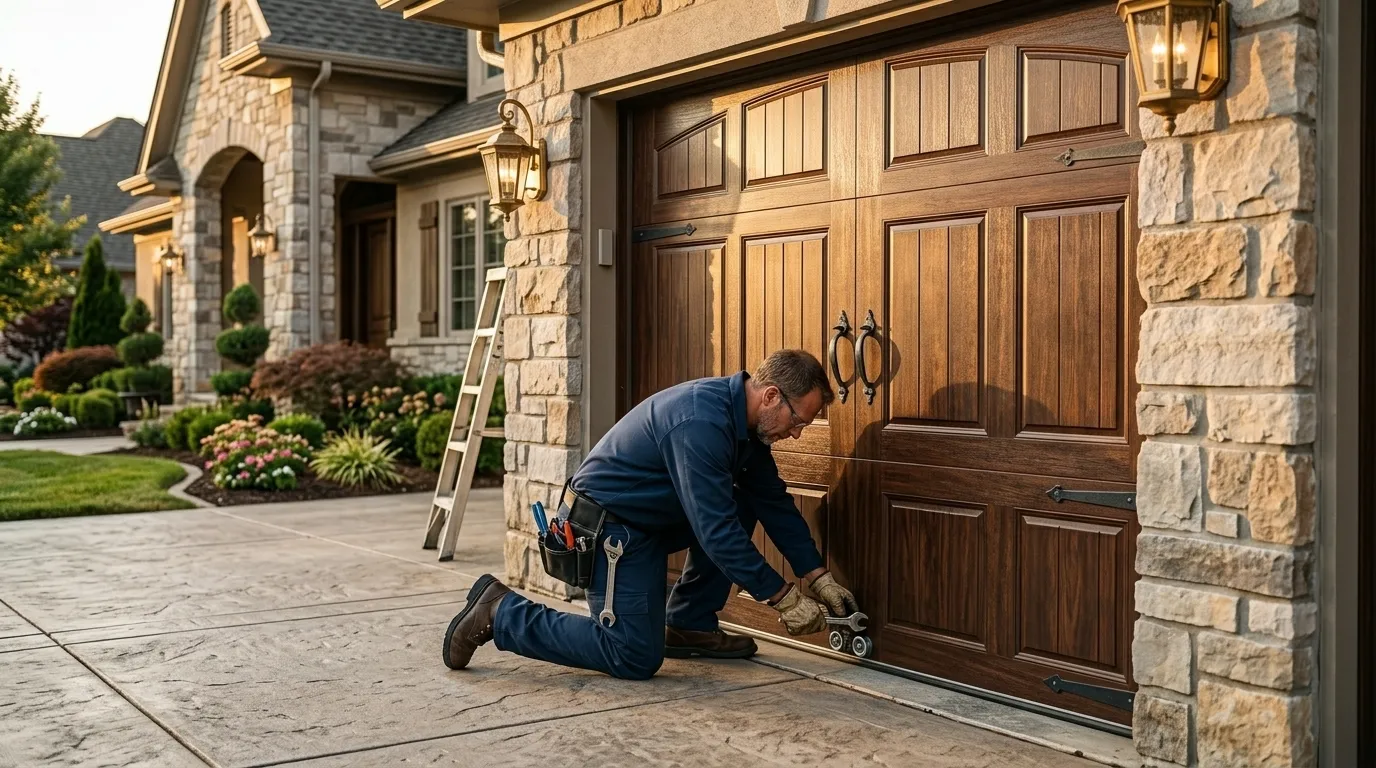
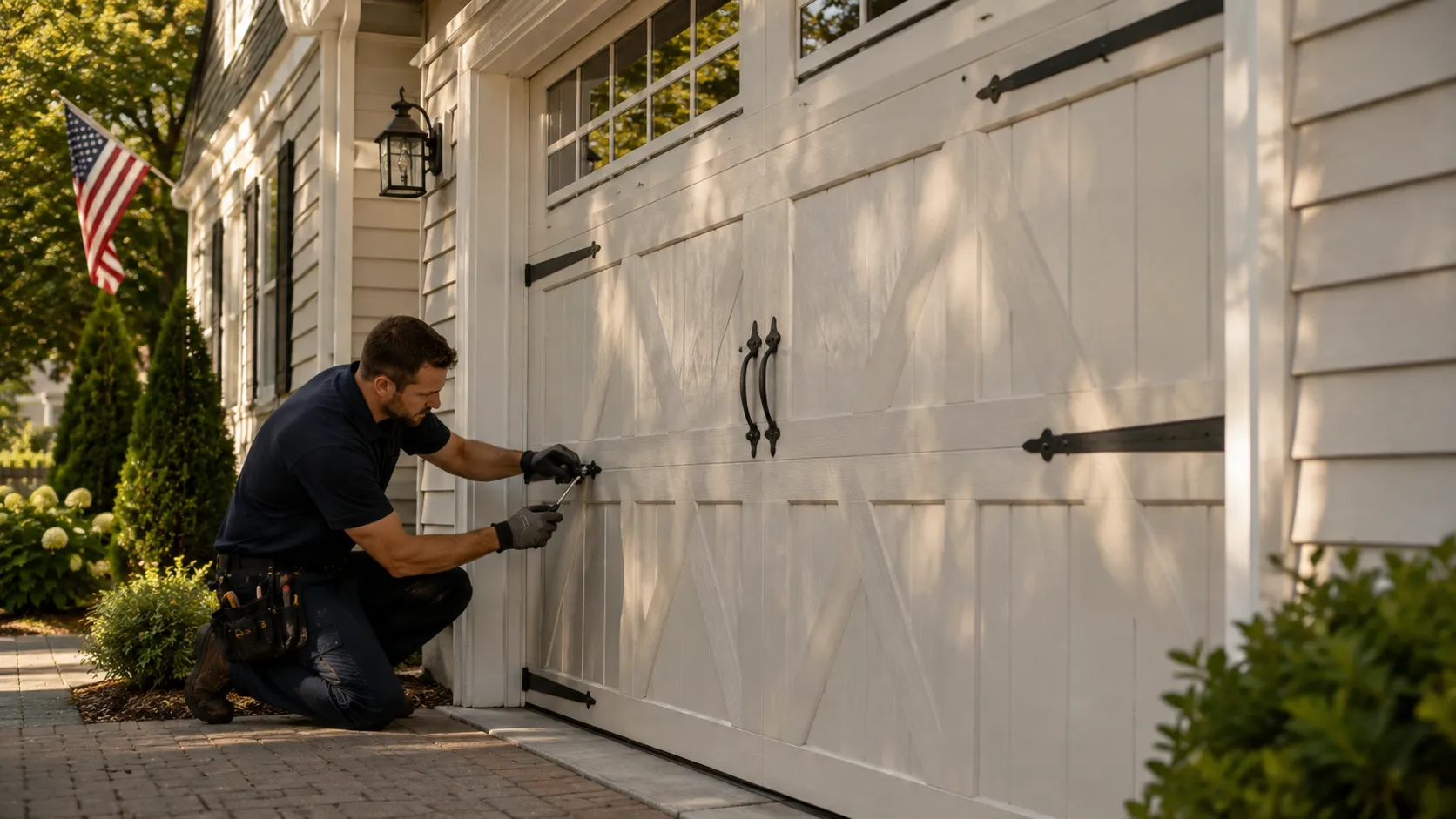
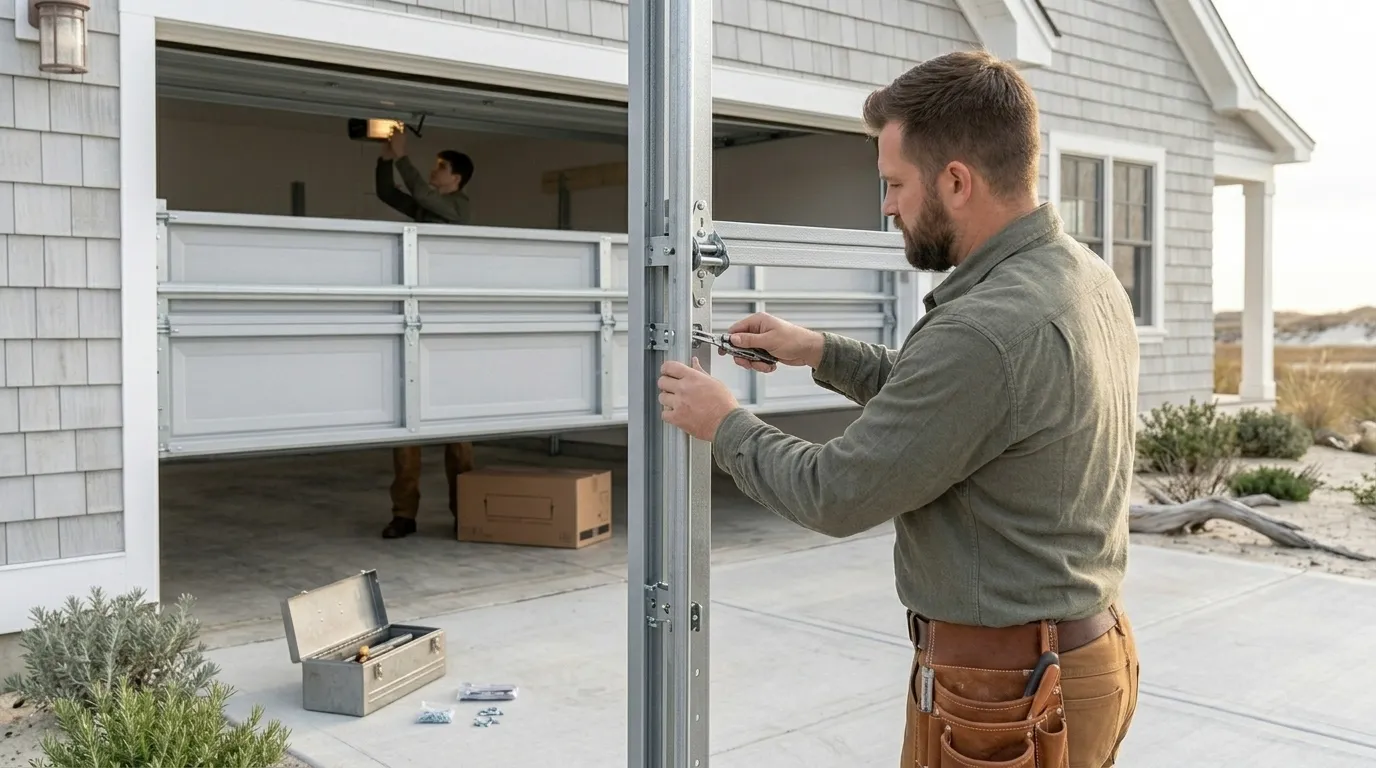
A dented or caved panel on a door built in the 2000s building era usually comes from one of two things: a backed-into corner or edge, or metal fatigue from years of a severe cold-climate freeze-thaw cycle working the seams. Because Charles Town's stock skews newer, we're rarely dealing with the brittle, sun-baked, decades-old steel you'd find on Martinsburg's pre-1960s homes. Instead the failure mode here tends to be a single impact dent, a bowed bottom panel from ice buildup, or hardware pulling loose from a panel that's otherwise sound.
Rust-through is less common on doors this age, but it shows up faster at the bottom panel where road salt and snowmelt sit against the steel all winter. If you're seeing bubbling paint or a soft spot low on the door, that's usually the first panel to go, and it's often cheaper to replace than the whole section once corrosion sets in.
One thing to flag honestly: if more than two panels on the same door are damaged, replacement of the full door often costs less than sourcing three or four matching panels one at a time, especially once color-matching against a faded panel becomes part of the job.
The Cost of This Job
Household income in this pocket runs close to $94,830, noticeably higher than the roughly $87,632 average across the rest of the territory we cover from Martinsburg. That doesn't change what a panel costs us to source, but it's part of why we don't shave corners on materials out here - most homeowners in this area are replacing a panel once and want it to hold, not patching for a season.
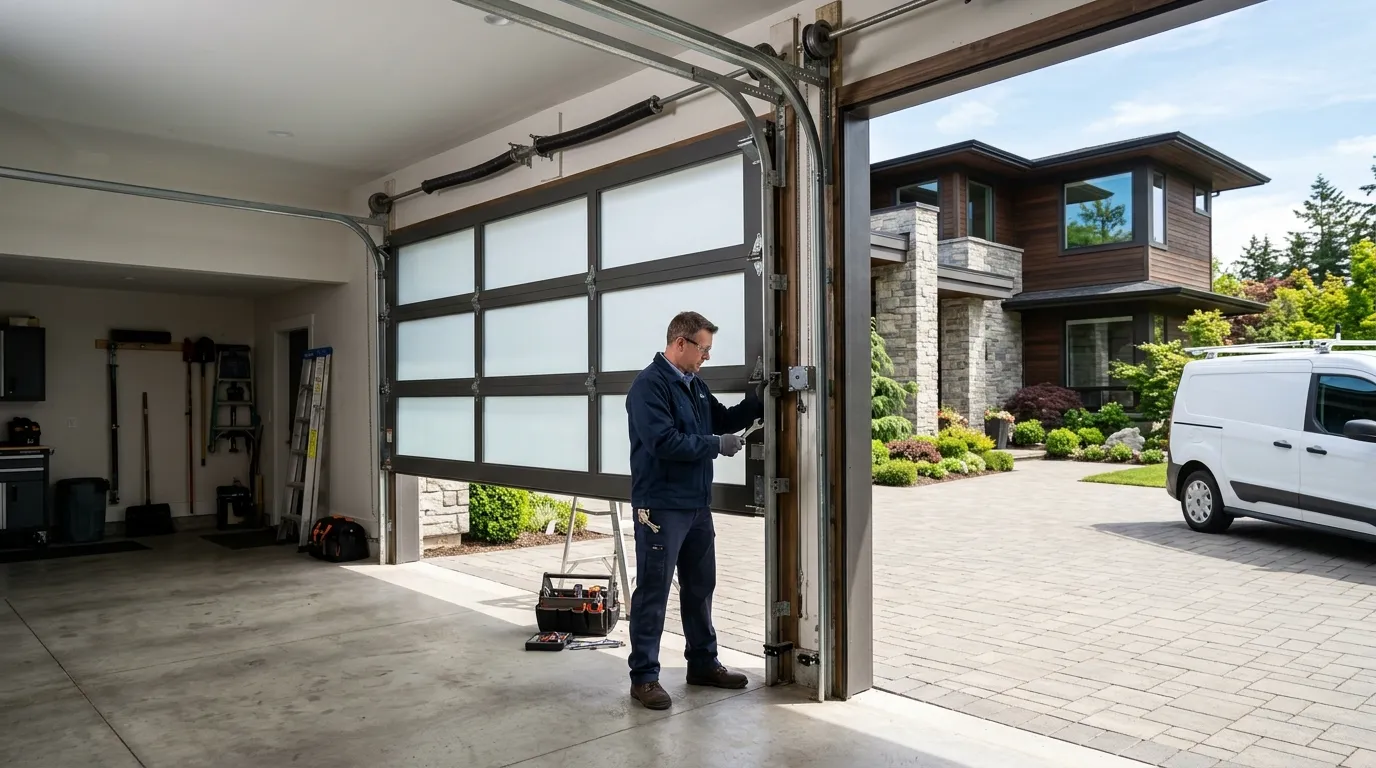
Panel cost depends on whether the door is still in production. Because most doors in Charles Town date to the 2000s building era, matching parts are generally easier to find than on Martinsburg's older housing, which keeps sourcing time and cost down more often than not. We don't have a flat number to quote you here - door width, insulation, and whether the track and hardware absorbed any of the impact all move the price - but a single steel panel job on stock this age is typically a straightforward parts-and-labor call, not a special-order wait.
How Long You Are Without the Door
If the panel is in stock, the swap itself is a same-visit job once we're on site - the door goes back into full use before we leave. The variable is sourcing, not the work: on housing from the 2000s building era, which is most of what's here, matching panels are usually easier to find than for Martinsburg's older mixed stock, so most Charles Town jobs don't sit waiting on a special order.
We travel from Martinsburg for every job in this area, so we don't hold a local stock of every panel size and color on hand at all times - if your door needs a less common width or a specific insulation core, we'll tell you what the wait looks like before you commit to the job, not after.