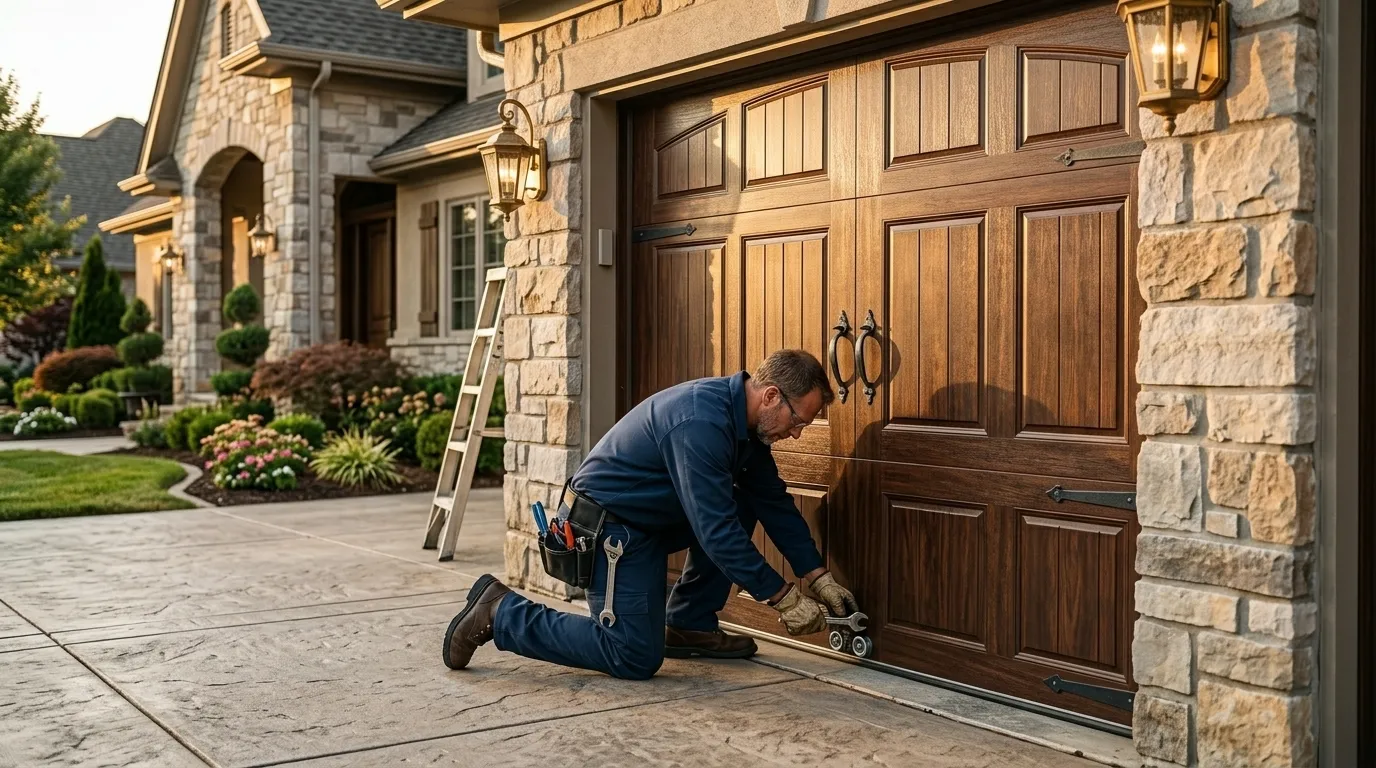
Most calls we get for maintenance start the same way: the door still opens, but it groans, jerks on one side, or the opener strains a half-second longer than it used to. Nobody calls about that until it's been happening for months. Housing in this service area runs from 1938 up through 2003, with the median build year sitting around 2001, and five of the named areas we cover are mostly 2000s-era construction. That split matters. A door on a house built in the late 1990s or early 2000s is old enough that the original springs and rollers are past their rated cycle count, but new enough that the owner assumes everything is still 'recent.' Meanwhile the older homes scattered through the area have hardware that's been re-tensioned or patched more than once, often by whoever was cheapest at the time. Both groups show up with the same symptoms: uneven travel, a track that's walked slightly out of alignment, or a spring that's lost tension without snapping outright yet. None of that is an emergency. All of it is the reason a maintenance visit exists - to catch the slow failure before it becomes the loud one.
What the Fix Involves
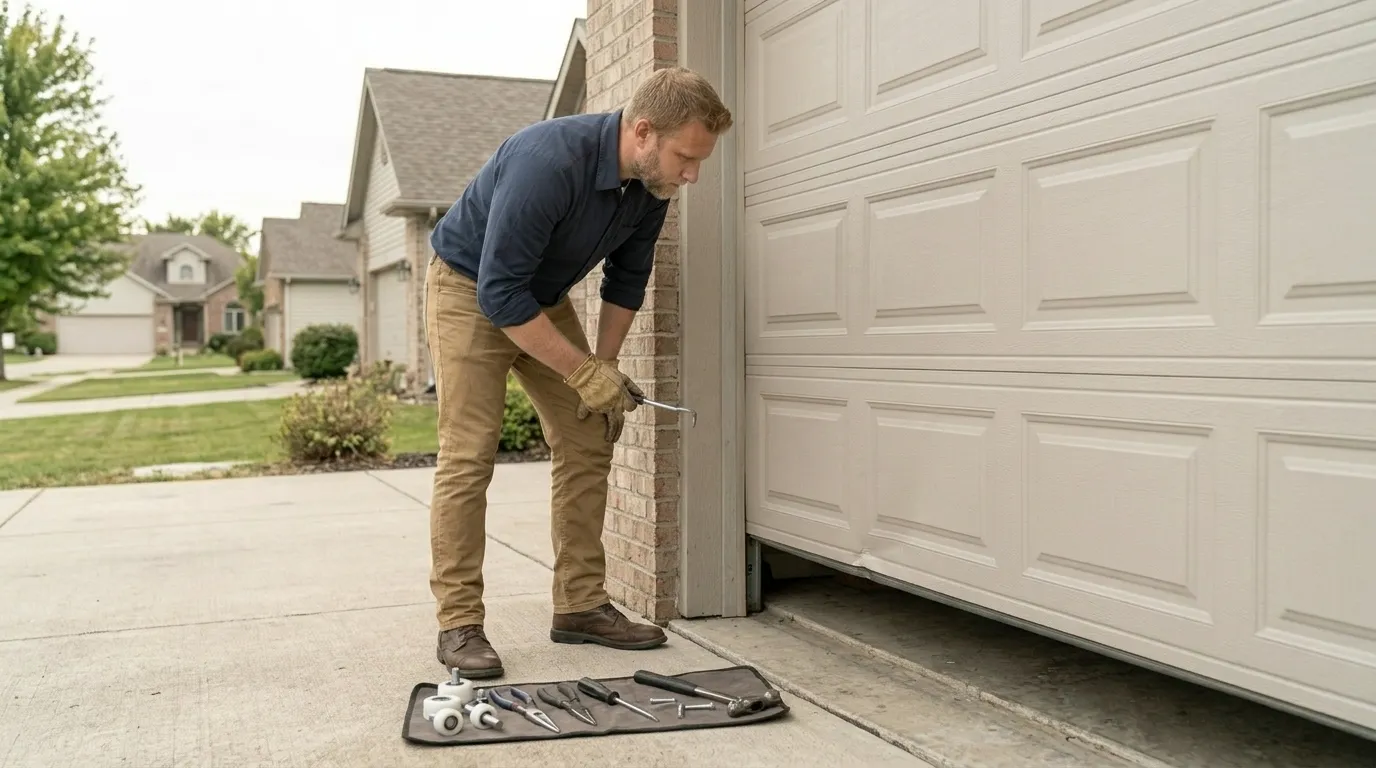
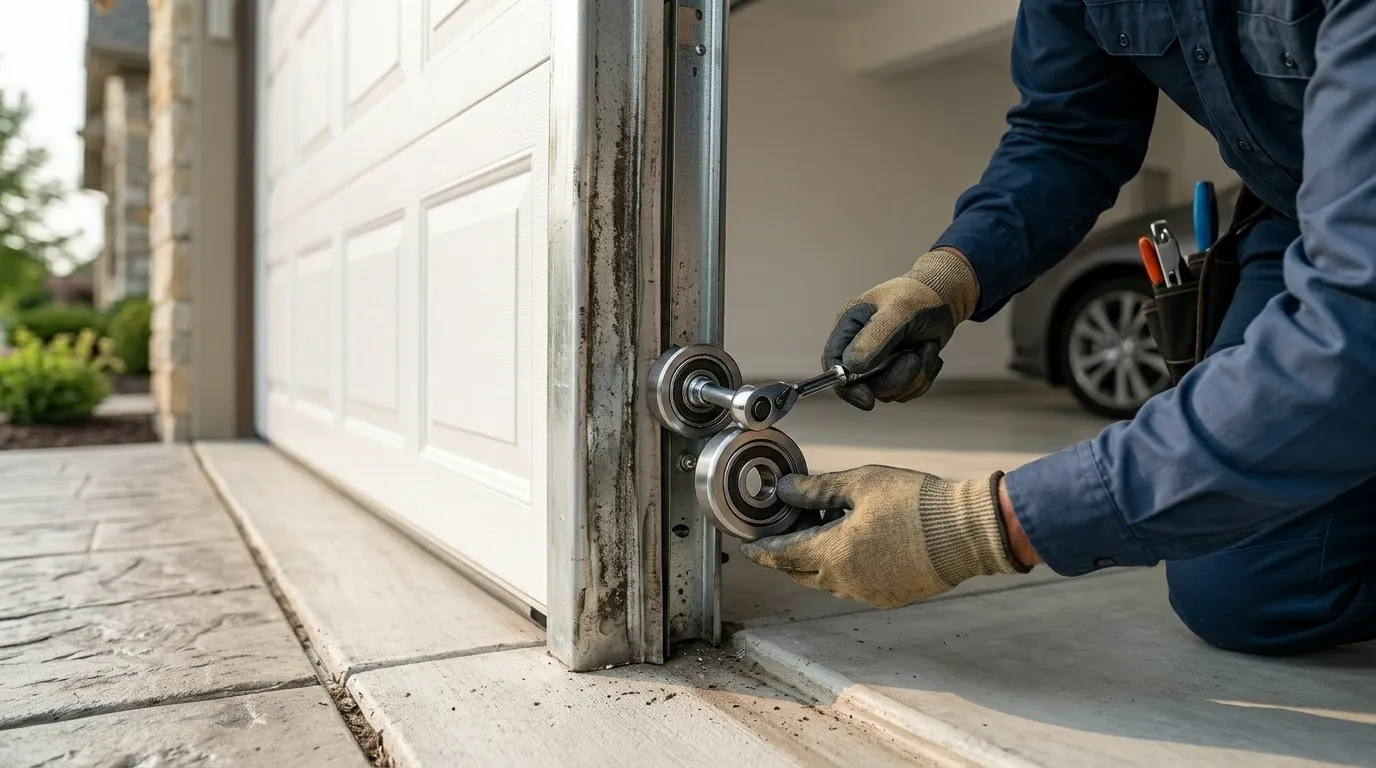
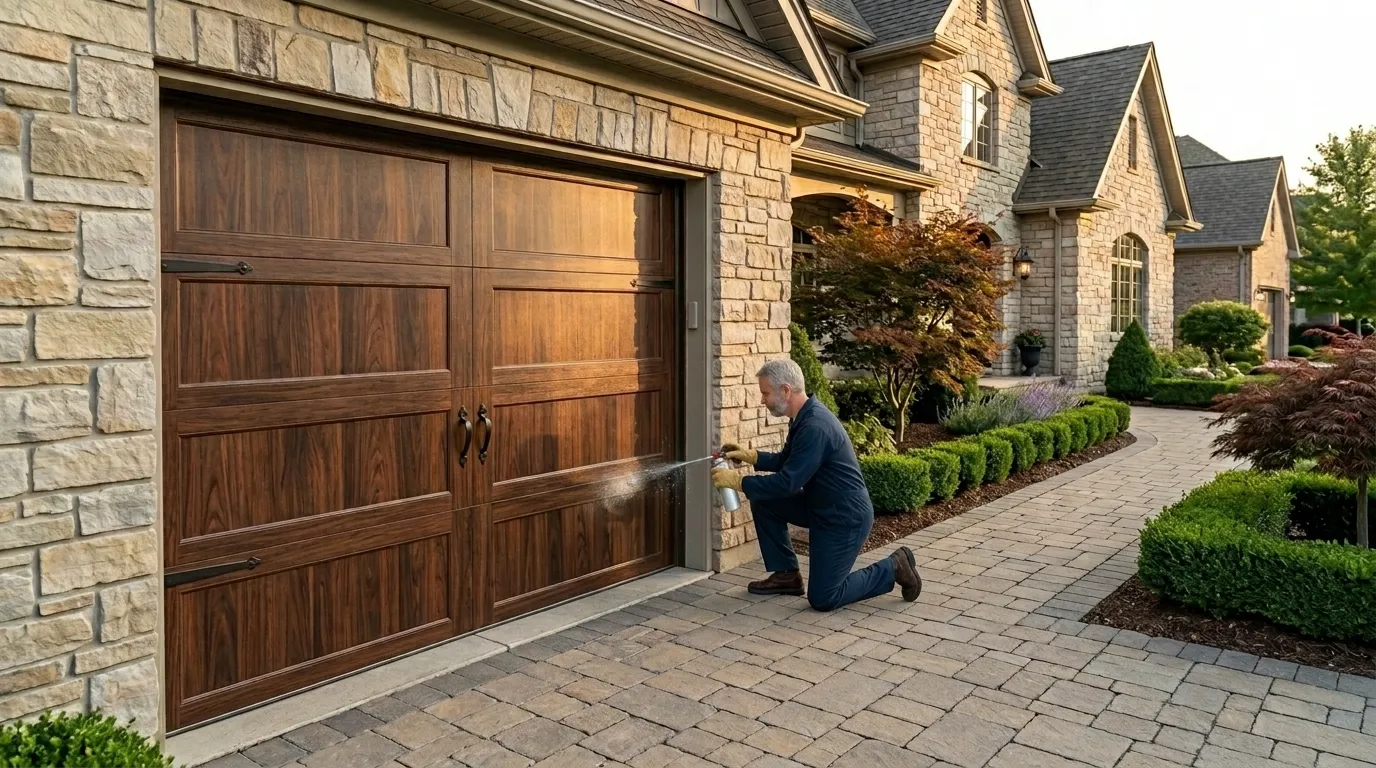
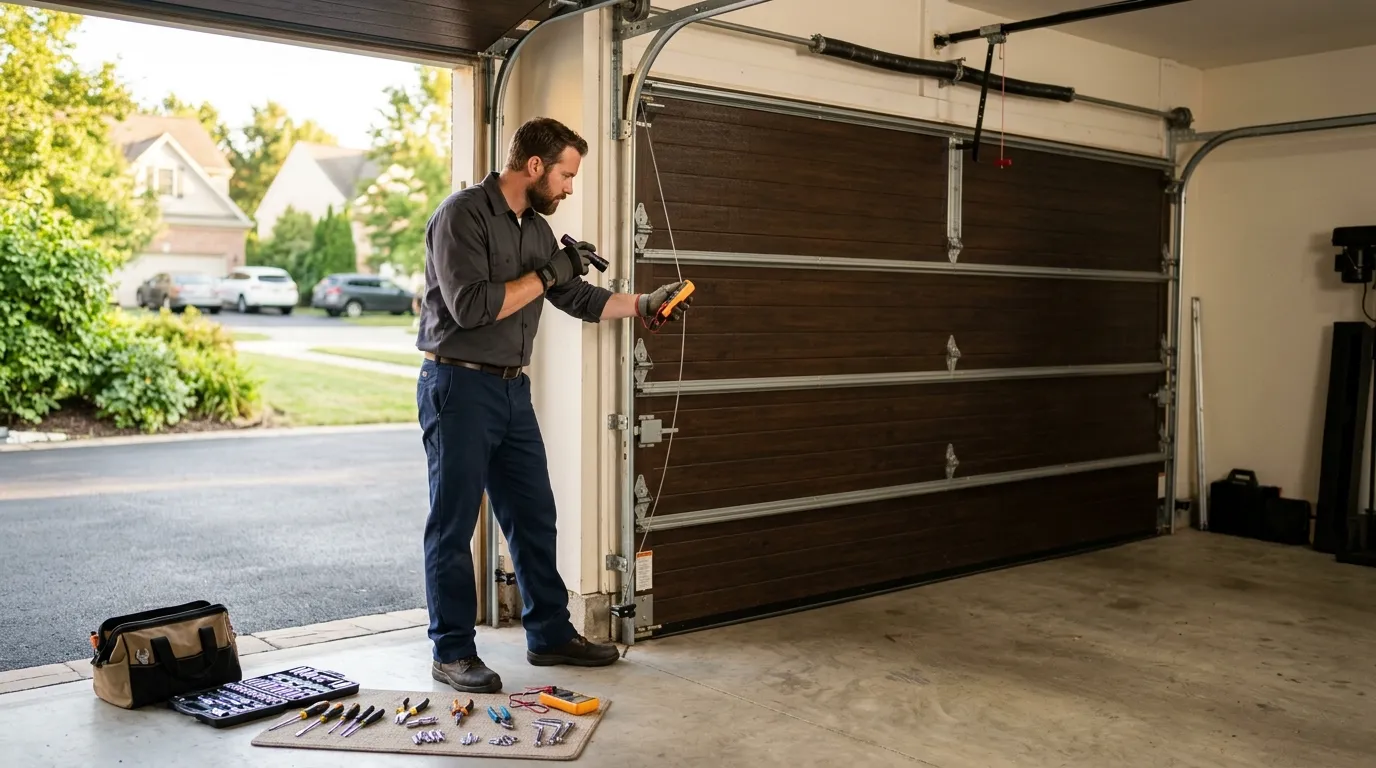
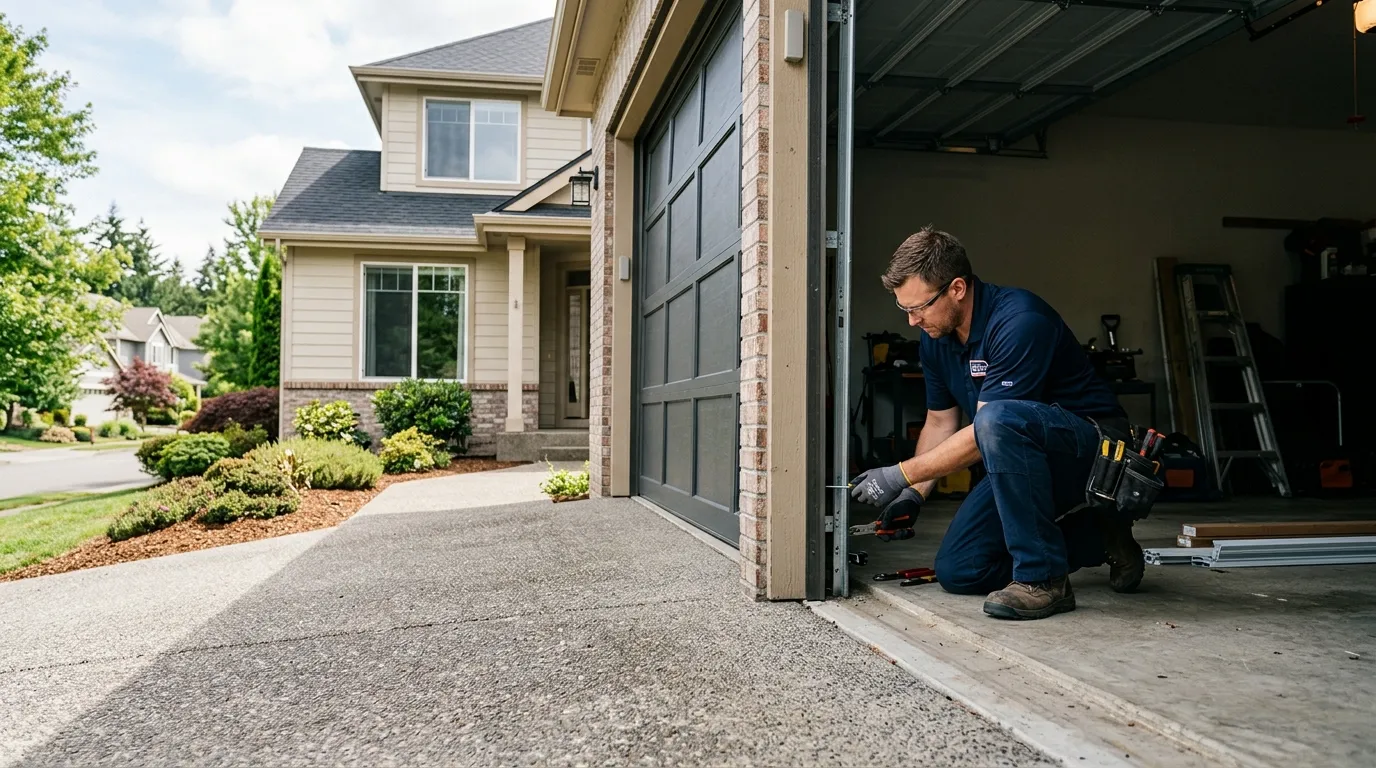
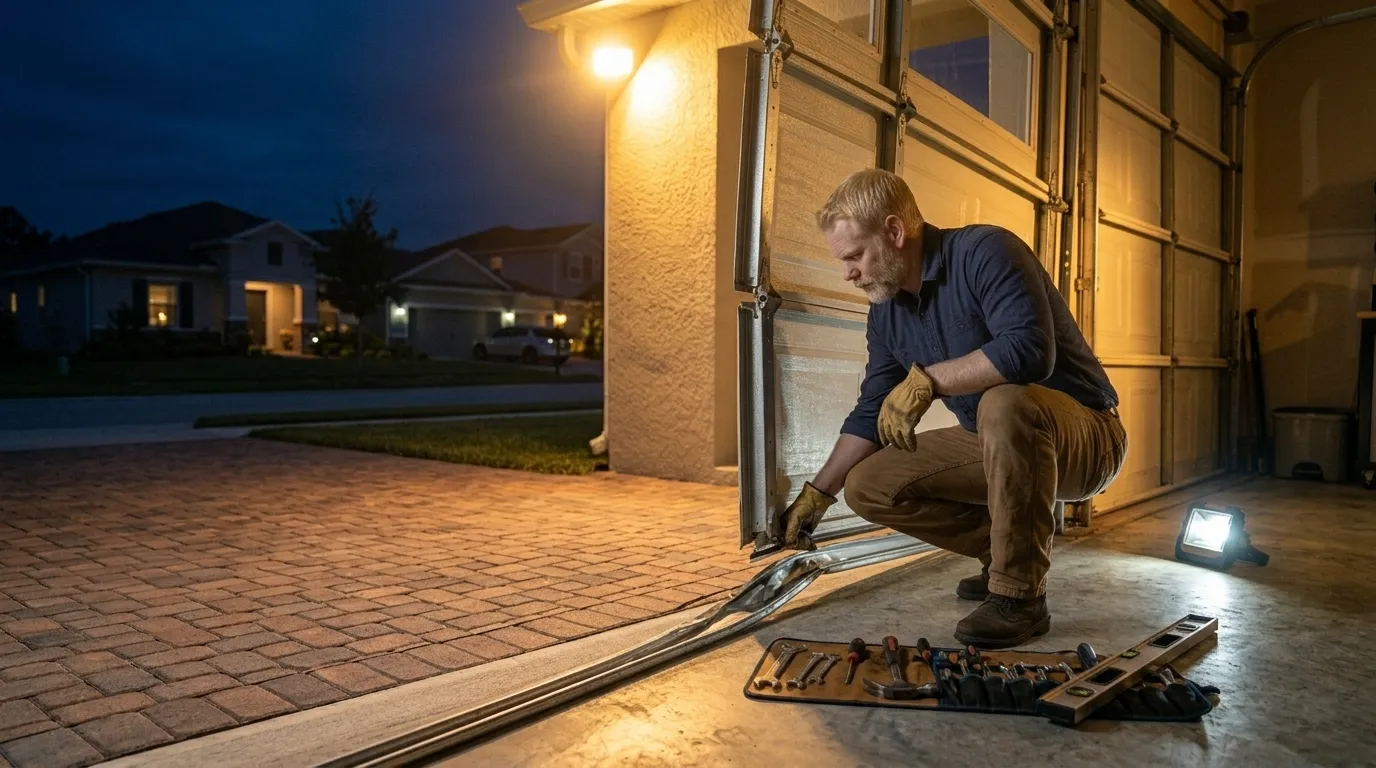
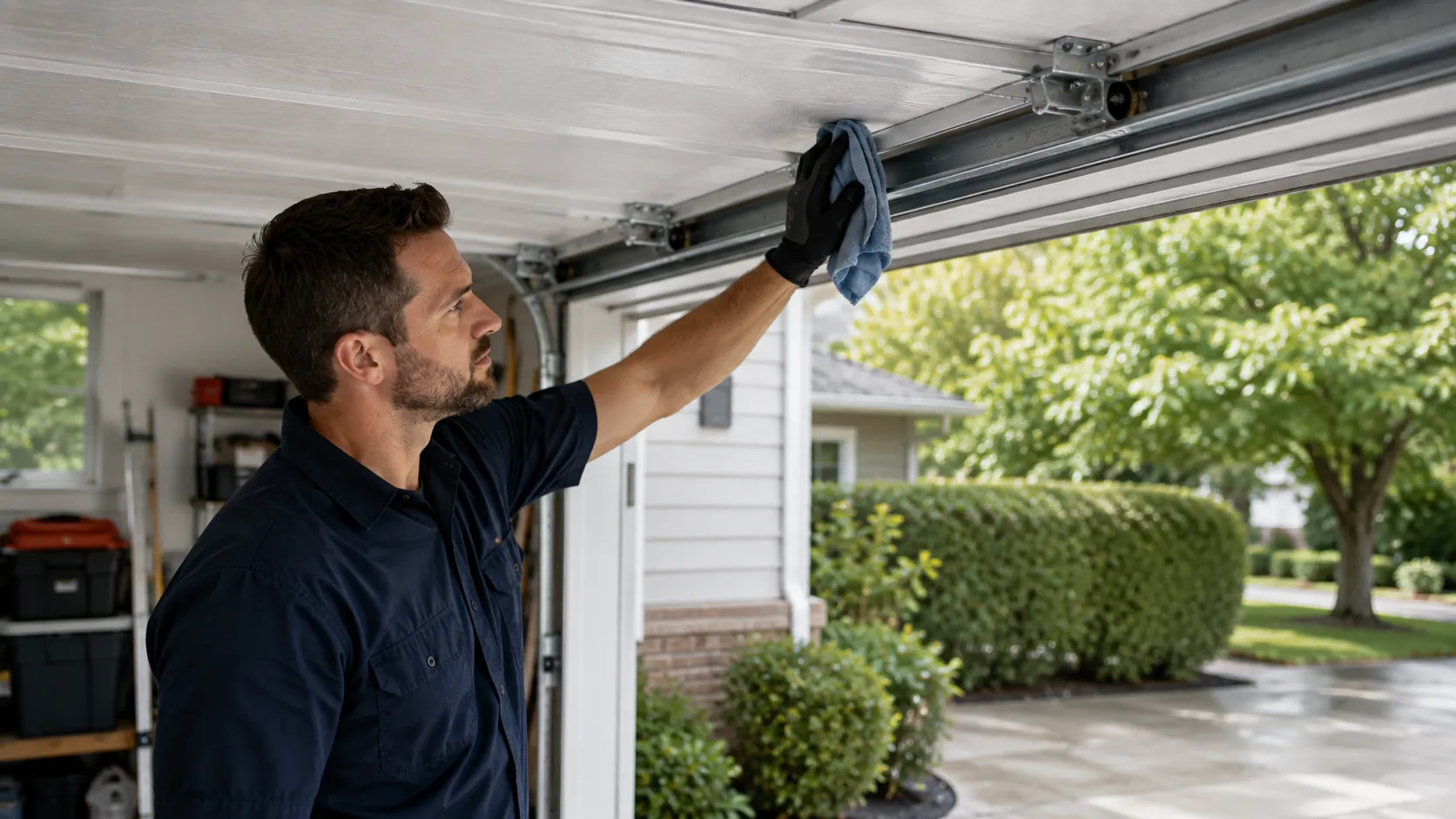
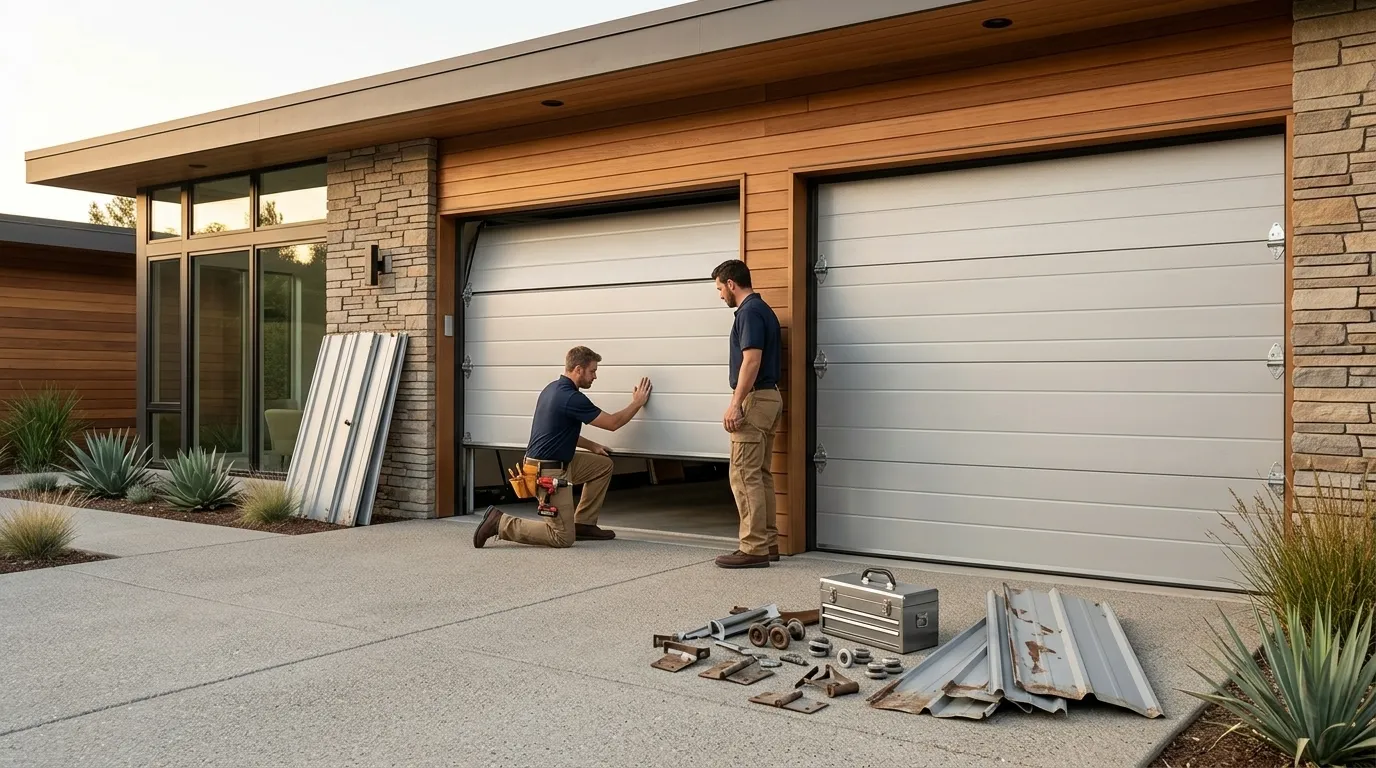
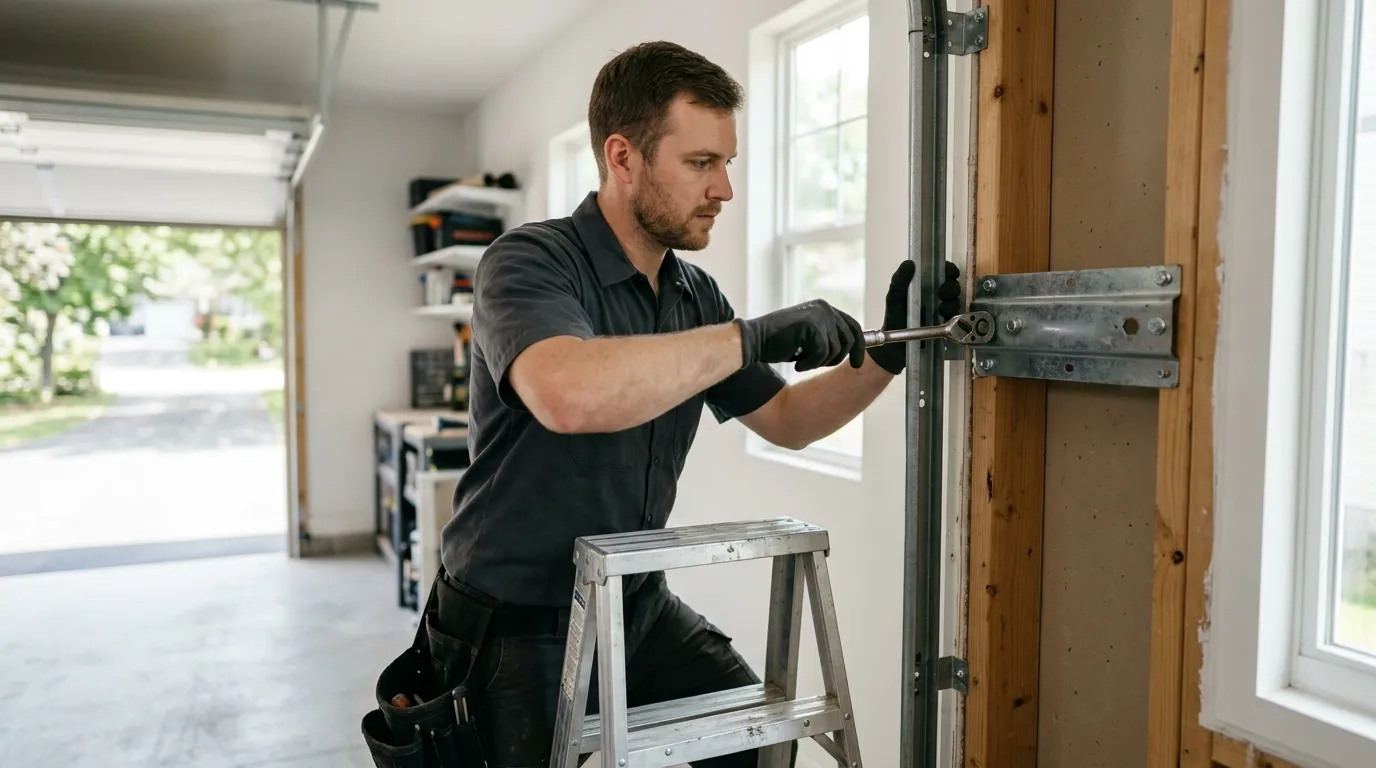
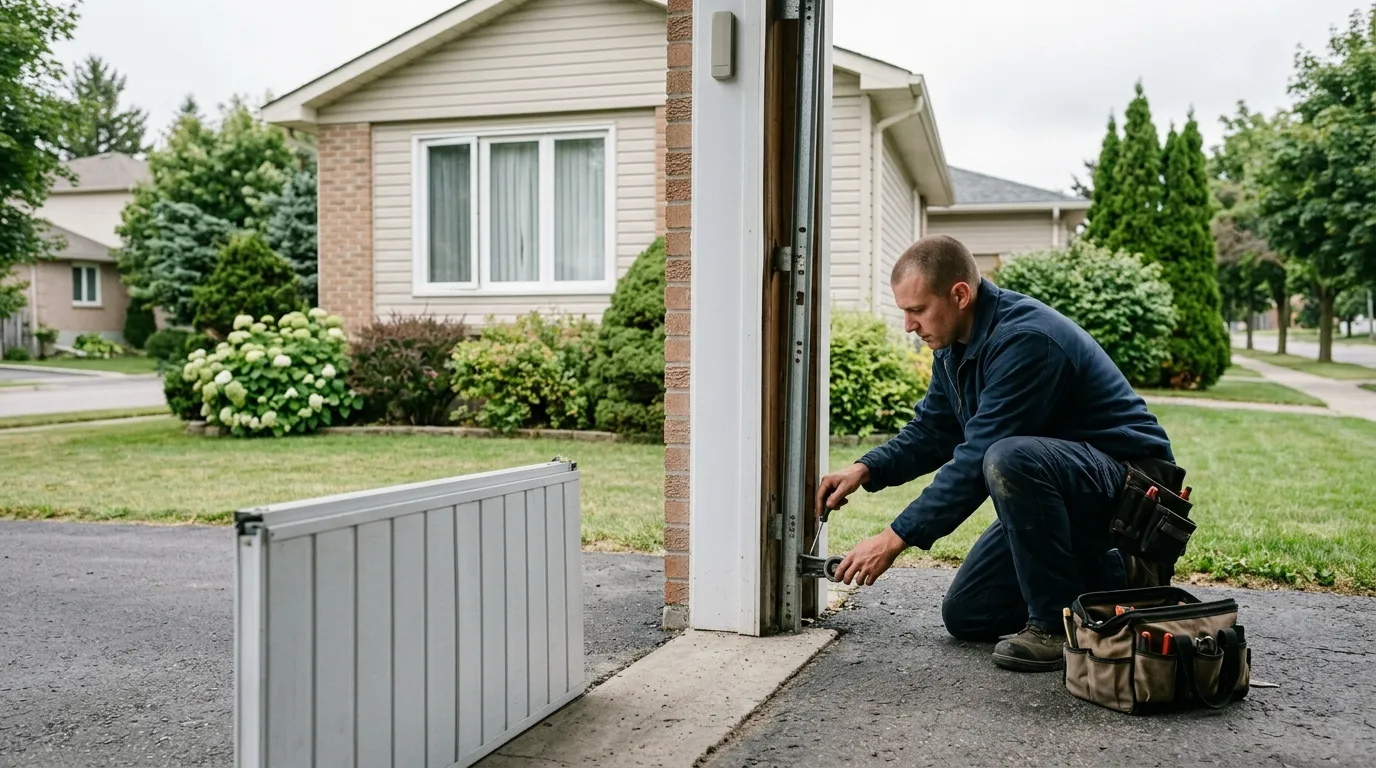
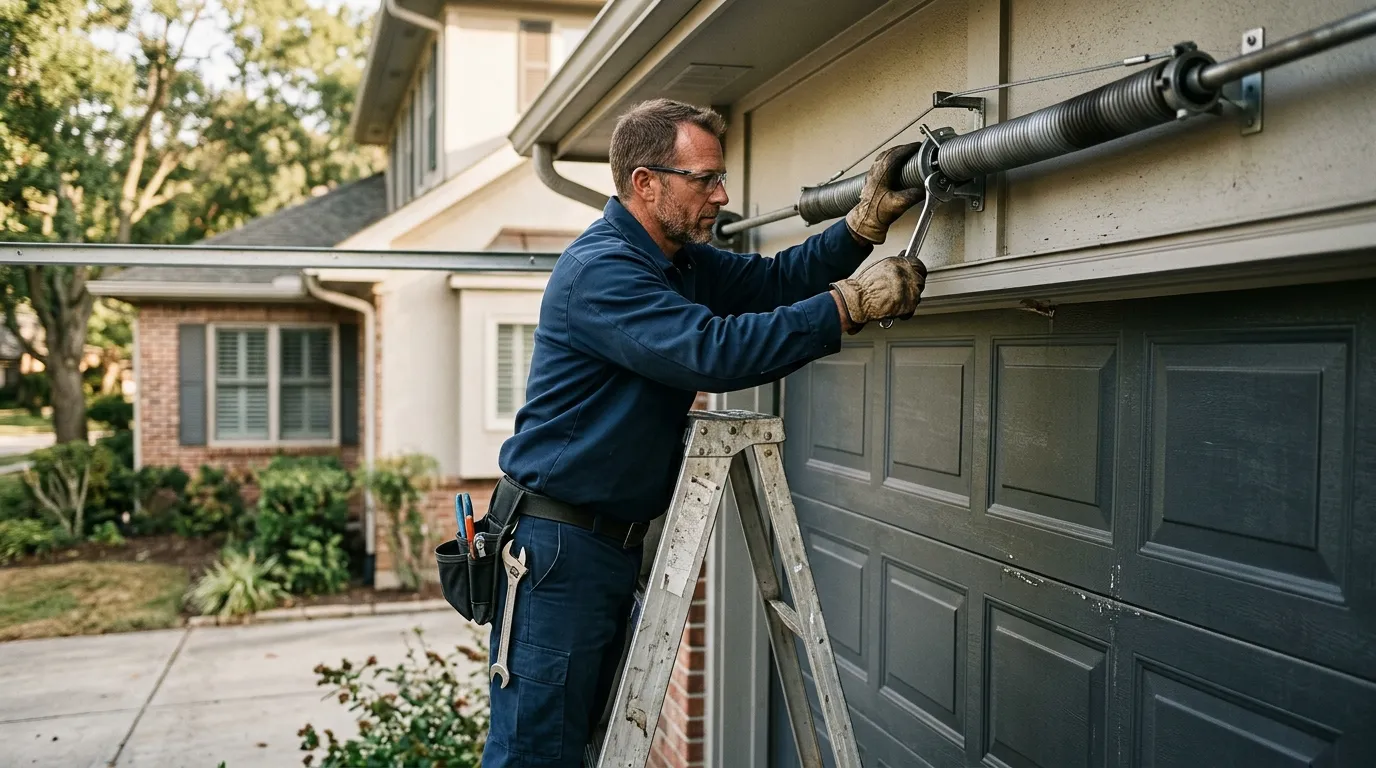
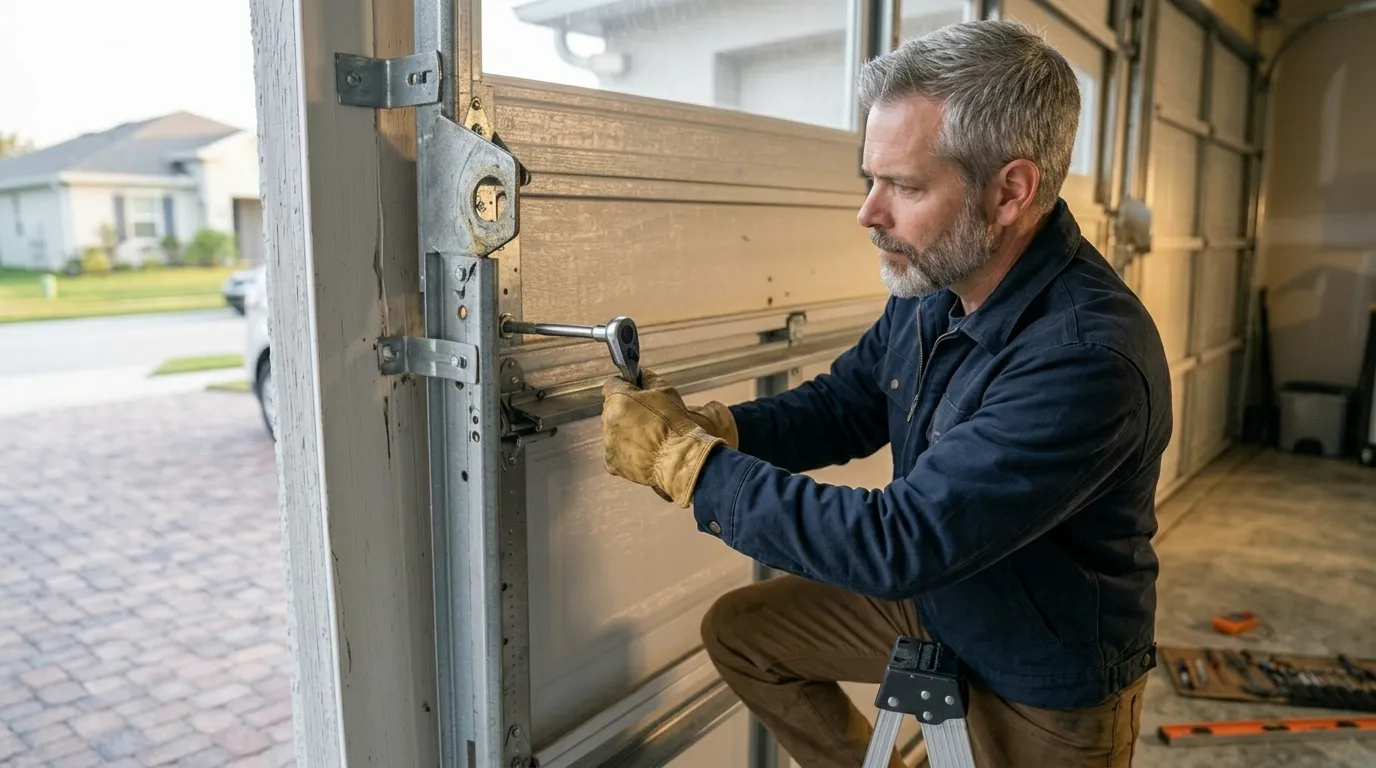
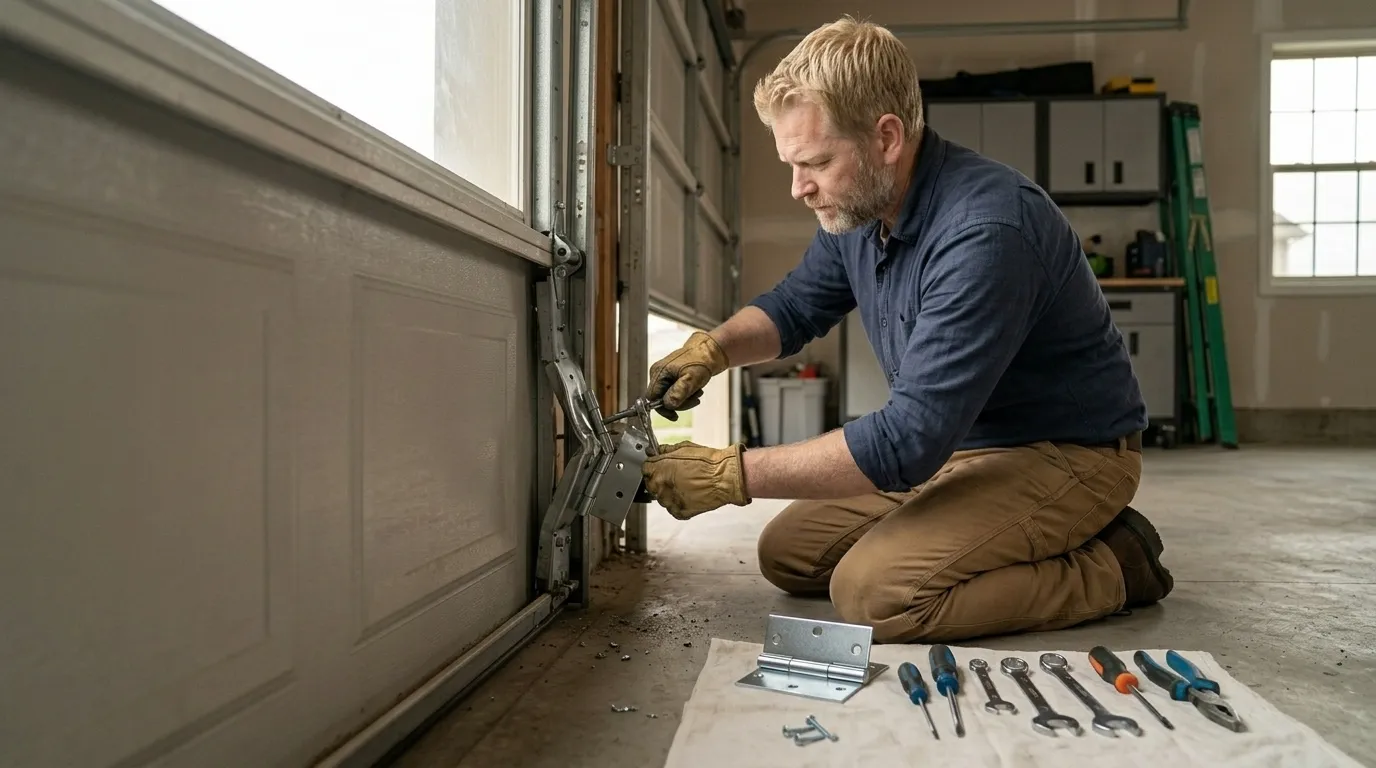
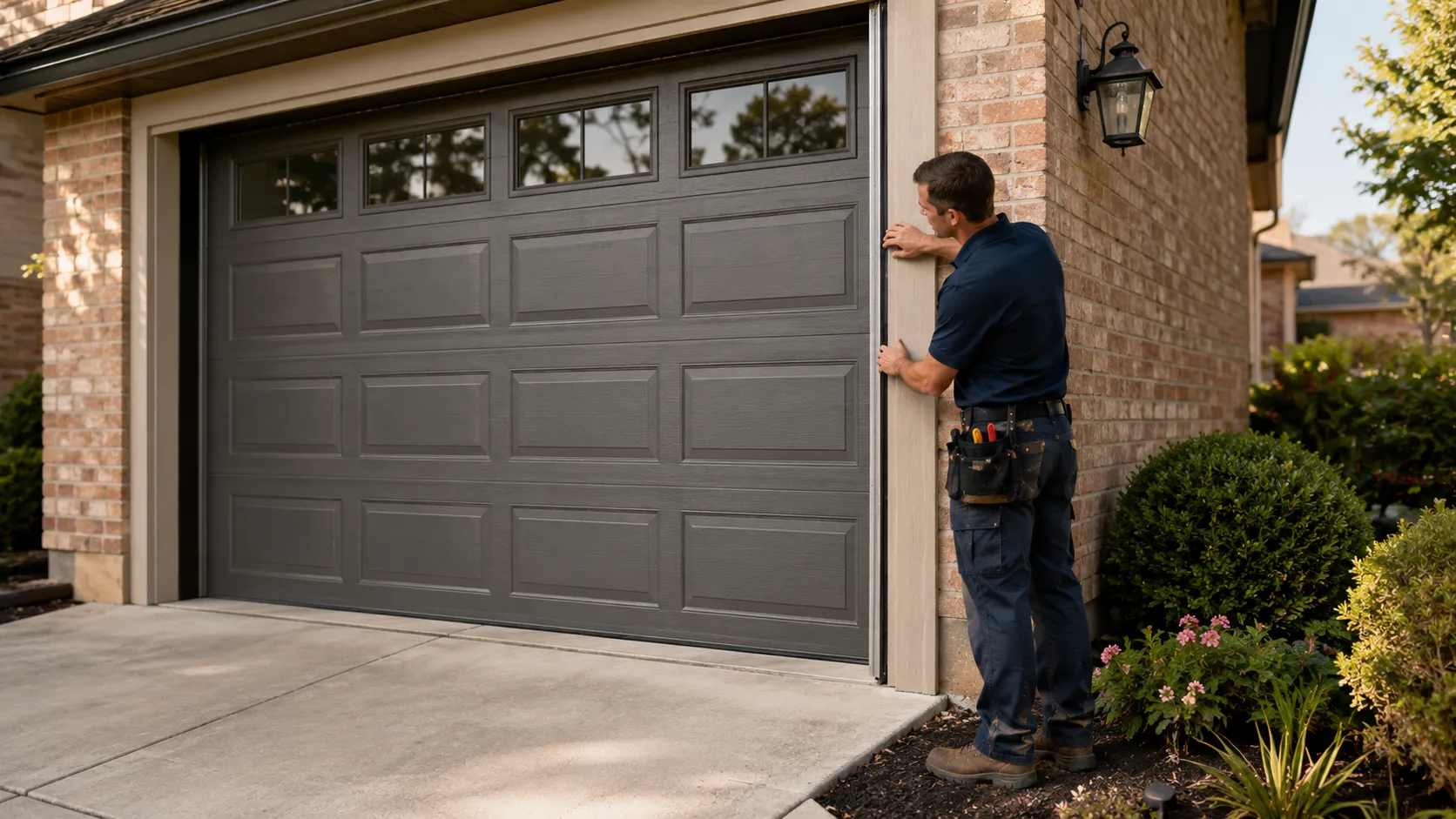
A real maintenance visit isn't a five-minute spray-and-go. We check spring tension on both sides of the door, not just the one that looks worn, because torsion springs on doors from this era were often installed as a matched pair and age unevenly if one side gets more sun or cold. We inspect the rollers and track for wear consistent with the door's build year, tighten hardware that's worked loose from seasonal expansion and contraction, lubricate the moving parts with something rated for cold, and check the cable and drum for fraying that hand tools alone won't catch. We also test the opener's force settings, since a door that's stiffened from age often gets compensated for with opener force instead of a mechanical fix - which just wears the opener motor faster. If we find something that's past maintenance and into repair territory, like a spring near the end of its cycle life or a cracked panel, we'll tell you plainly. Maintenance is preventive work; it isn't meant to fix a door that's already failing.
How Long You Are Without the Door
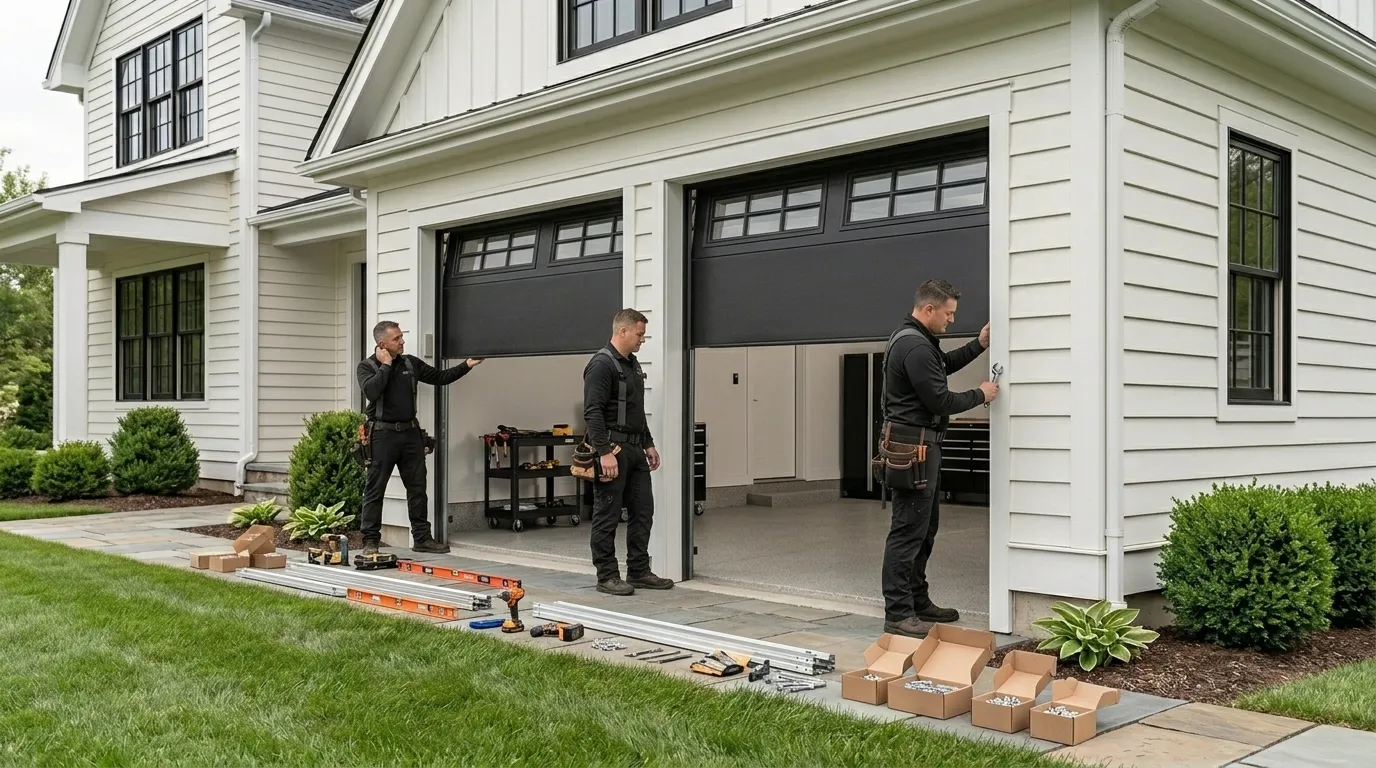
You aren't without the door at all during a standard maintenance visit. We work section by section - one side of the track, then the other, one spring, then the opener - so the door stays operable between each step and you can still pull a car in or out if you need to mid-visit. That's different from a spring replacement or full opener swap, where the door has to come off use for the actual repair. If the visit turns up something that needs immediate attention, like a spring that's audibly close to failing, we'll say so on the spot rather than closing up the job and letting you find out the hard way in February.
Why This Fails Locally
This area sits in a cold, severe climate band, and that changes how garage door hardware ages compared to milder regions. Steel springs lose tension faster with repeated freeze-thaw cycling, lubricant that's fine in October gums up or thins out by January, and weatherstripping on doors from the 1938-2001 build range was rarely rated for the temperature swings we actually get. Add in that a large share of the local housing stock clusters around a 2001 median build year, and you get a lot of doors hitting the 15-to-20-year mark on original hardware at roughly the same time, right as winter stress peaks. With 2,611 owner-occupied houses across the service area and a median household income of $87,632, most of these are owner-maintained single-family garages, not managed rental units with a standing service contract - which means maintenance here tends to happen reactively, after the door already struggles through one cold snap, instead of ahead of it.
How it works
From “it’s stuck” to “it’s fixed”
1
Tell us what’s wrong
Describe the symptom - won’t open, loud bang, opener runs but the door won’t move.
2
On-site diagnosis
A technician tests the door under power and by hand and finds what actually failed.
3
Clear, up-front plan
You get the fix that’s needed and what drives the cost - before any work starts.
4
Repaired & tested
The repair is done, the door is set true and tested, and the work area left clean.
Next step
Serving Martinsburg, WV - tell us what your door’s doing and we’ll take it from there.
How often should I get my garage door serviced in Martinsburg?
Once a year is the baseline we recommend given the cold winters here, ideally before the first hard freeze. If your door was installed with the rest of a home built in the 2000s, it's likely due for its first real tension check even if nothing seems wrong yet.
Will maintenance fix a door that's already sticking or slow?
Sometimes. If it's dried lubricant, loose hardware, or minor misalignment, yes. If the spring has already lost most of its tension or a cable is fraying, that's a repair, not maintenance, and we'll tell you which one you're actually looking at before doing any work.
Do older doors in this area need different maintenance than newer ones?
Yes. Homes built closer to 1938 through the 1970s often have replaced or mismatched hardware from past repairs, so we check both springs independently rather than assuming a matched set. Newer 2000s-era doors are more likely to have original springs nearing the end of their cycle life.
Ready to get your garage door sorted?
Tell us what it’s doing and where you are in Martinsburg - we’ll take it from there.