What the Fix Involves
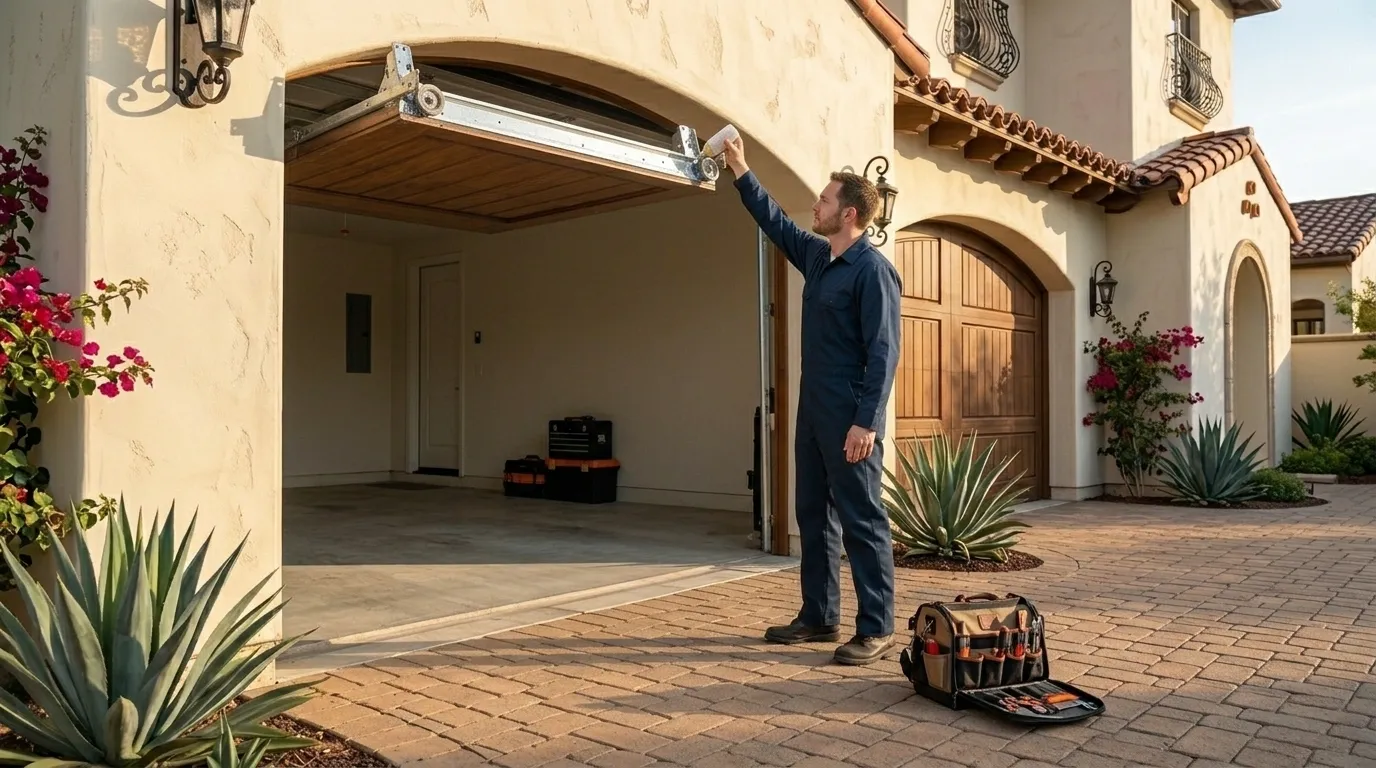
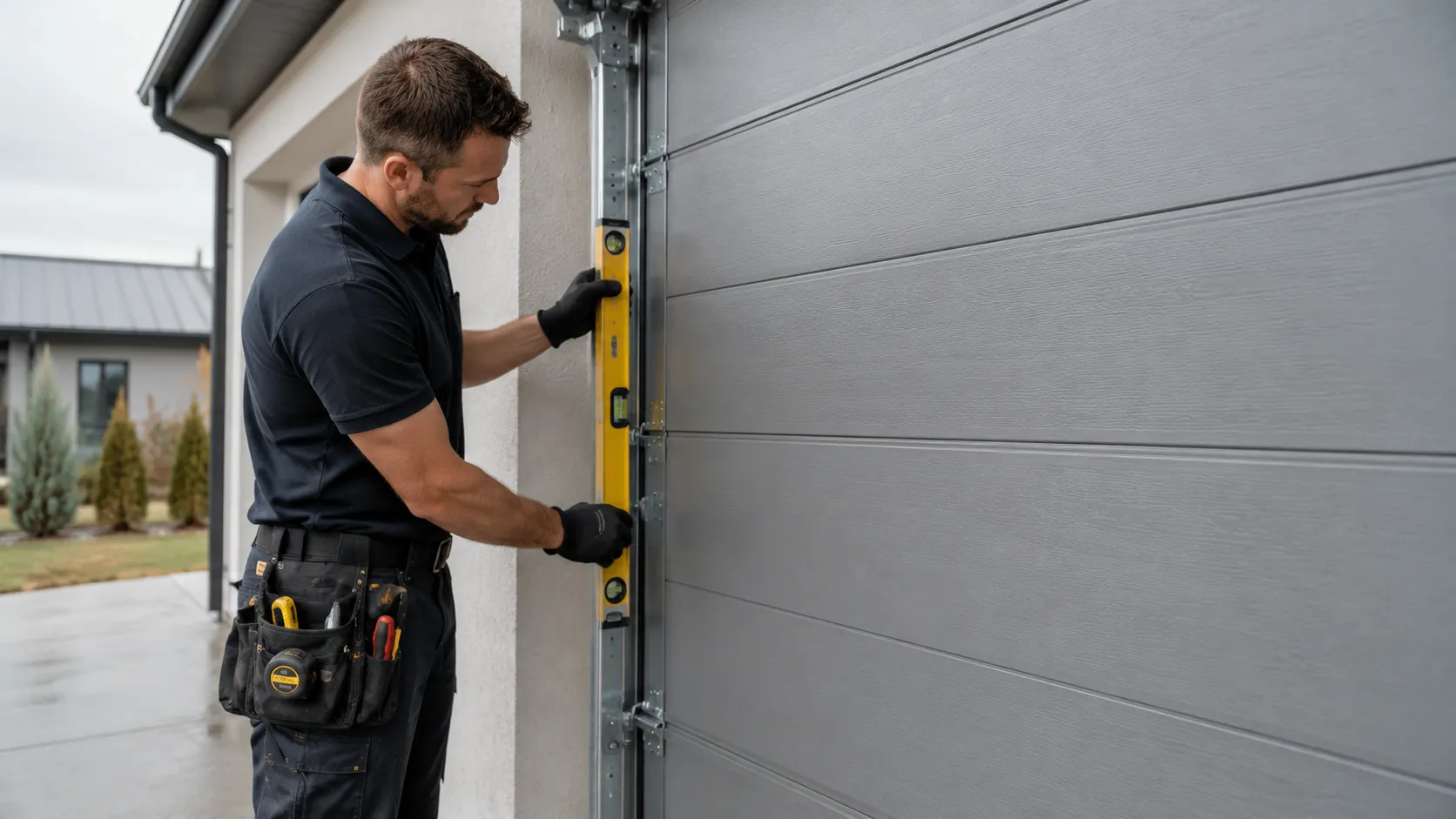
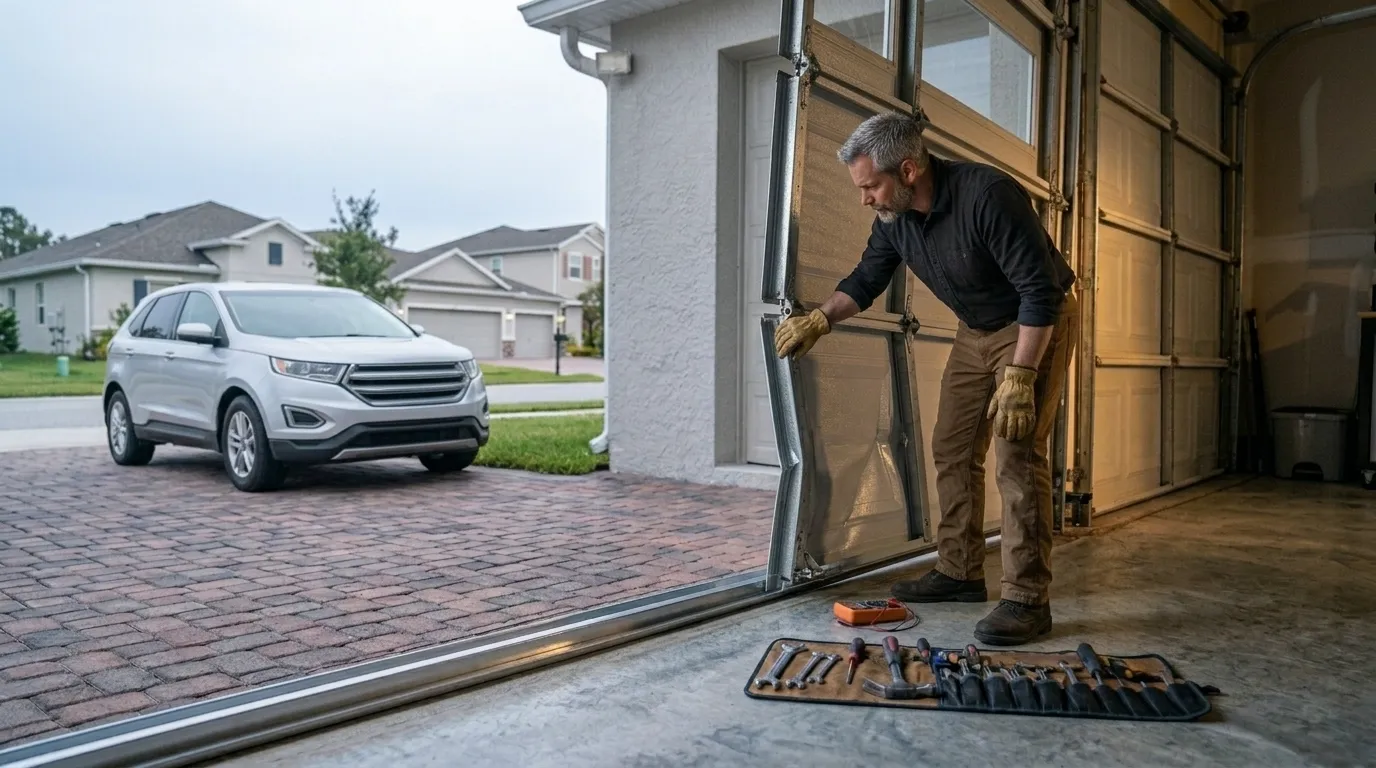
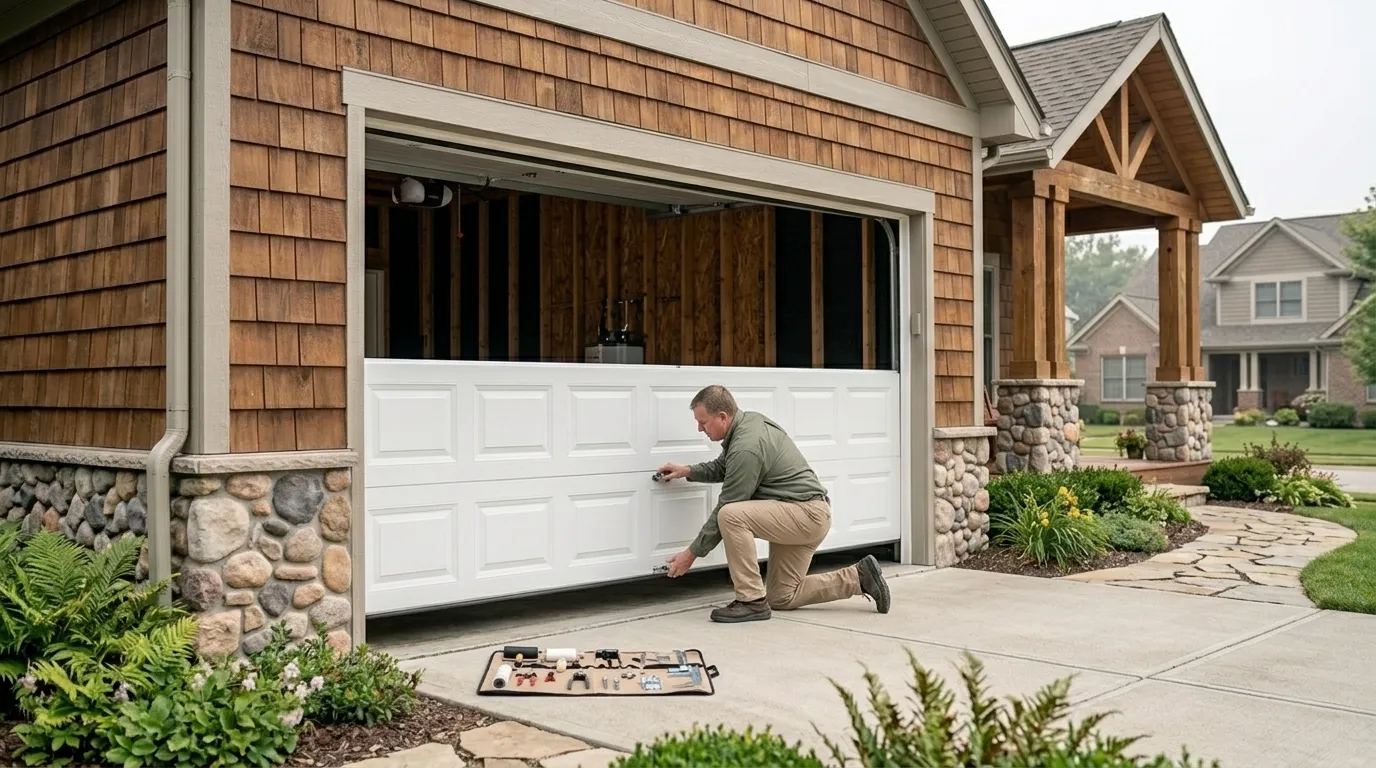
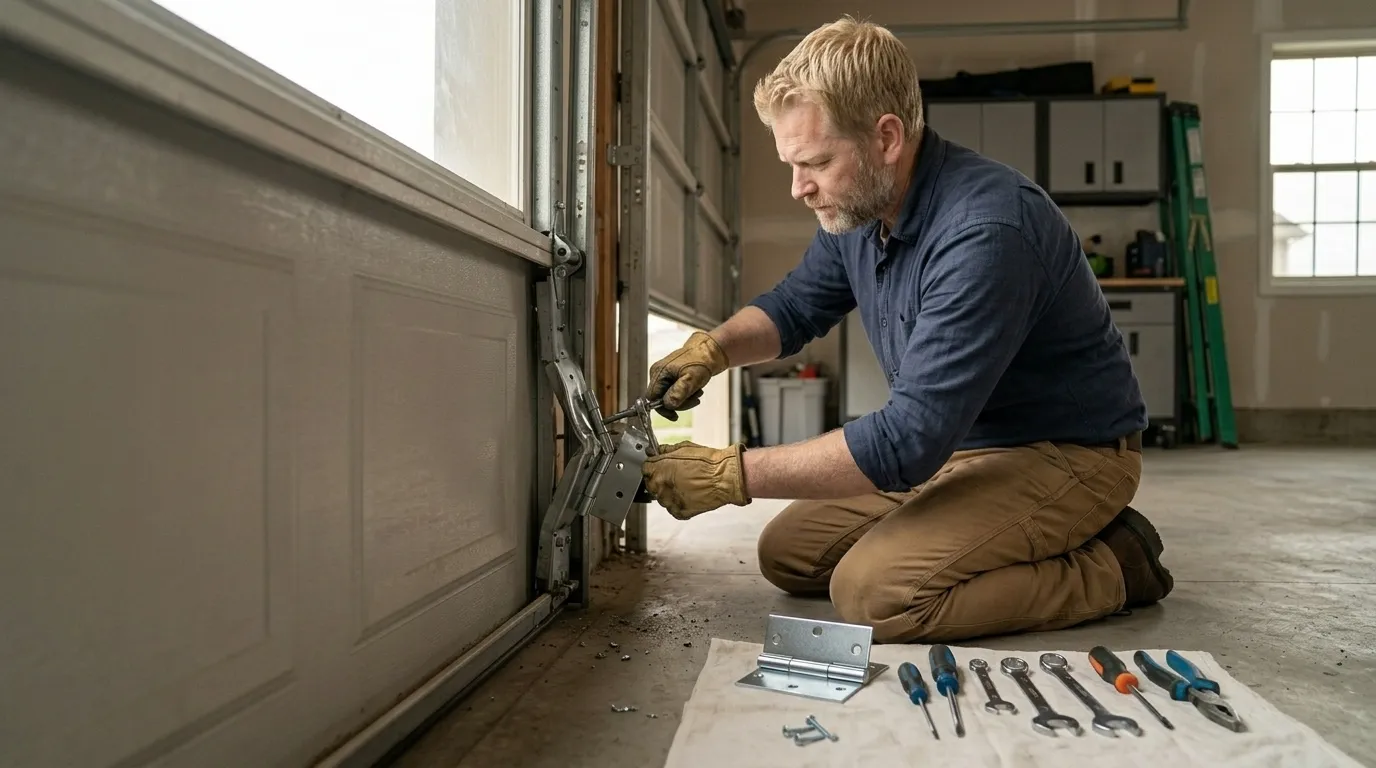
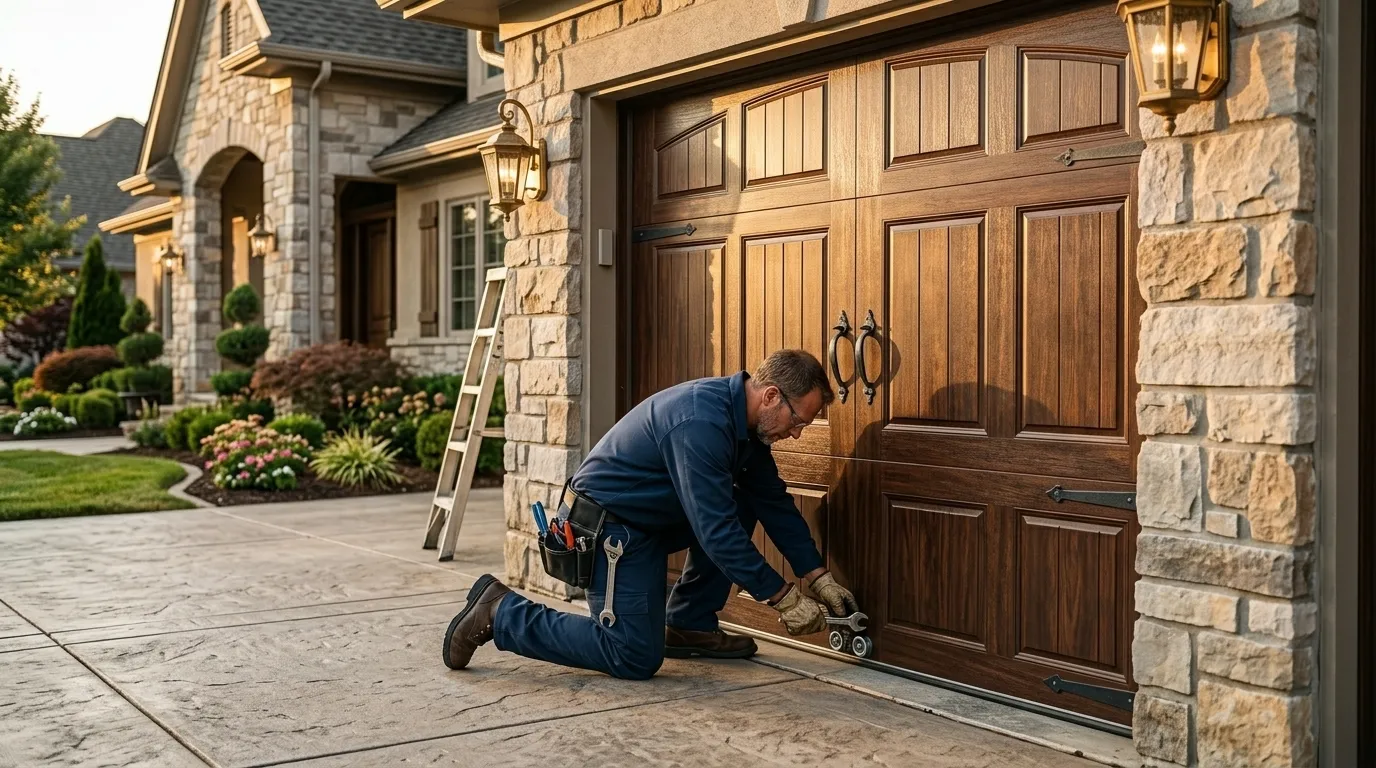
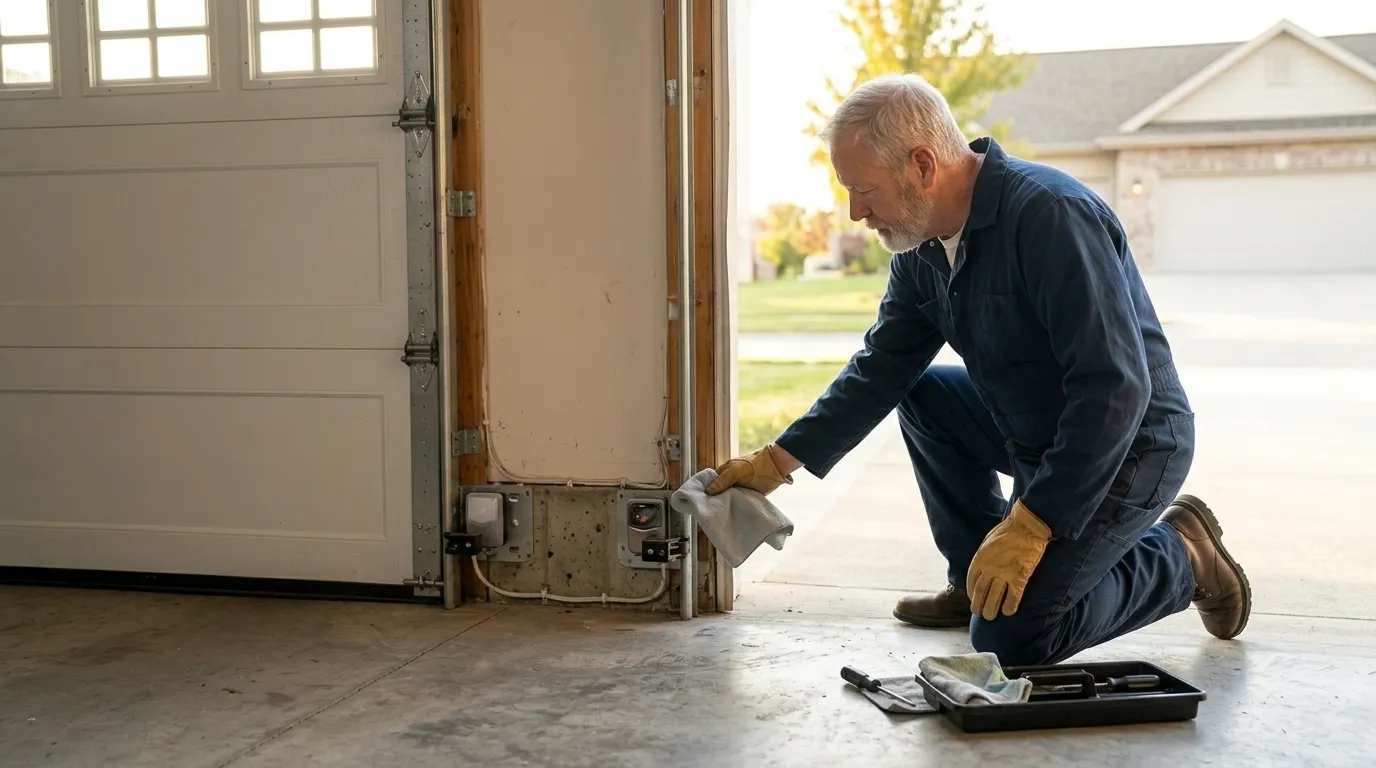
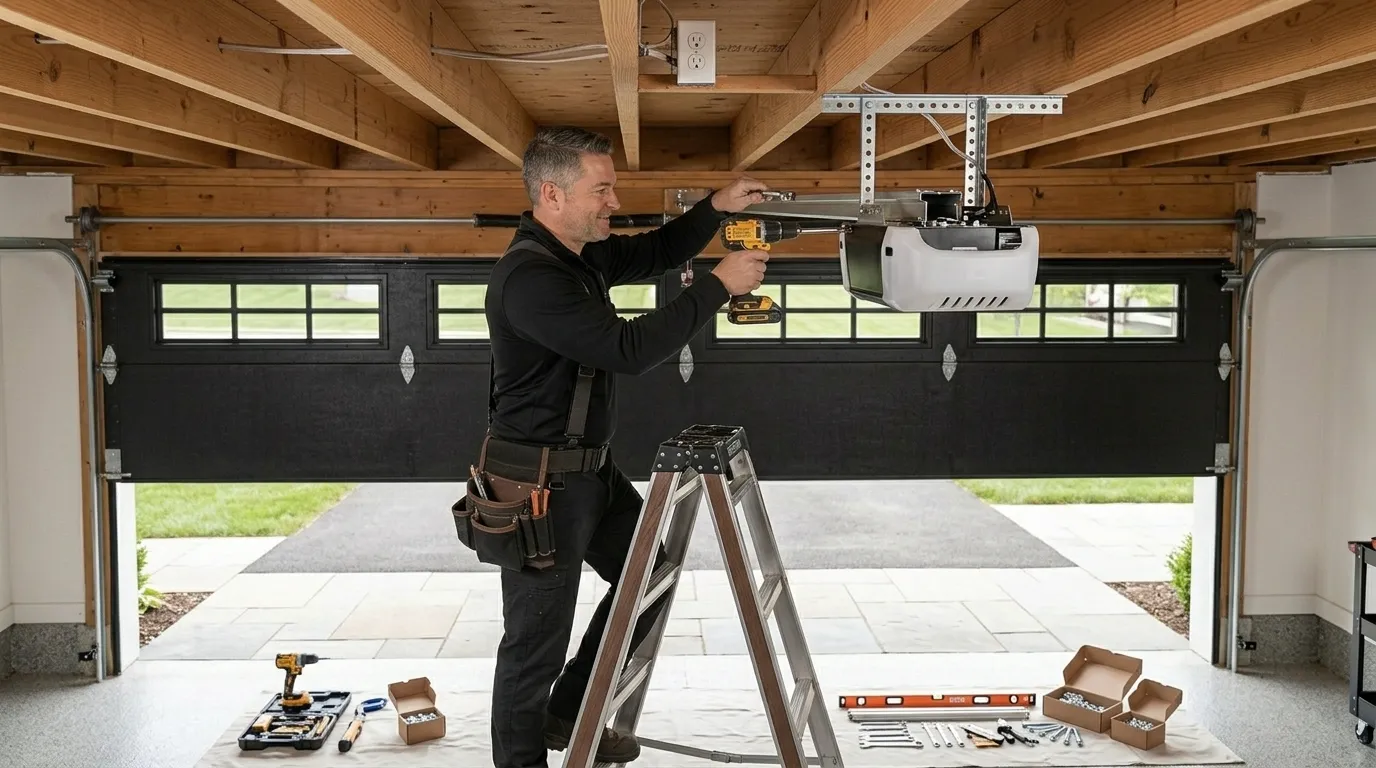
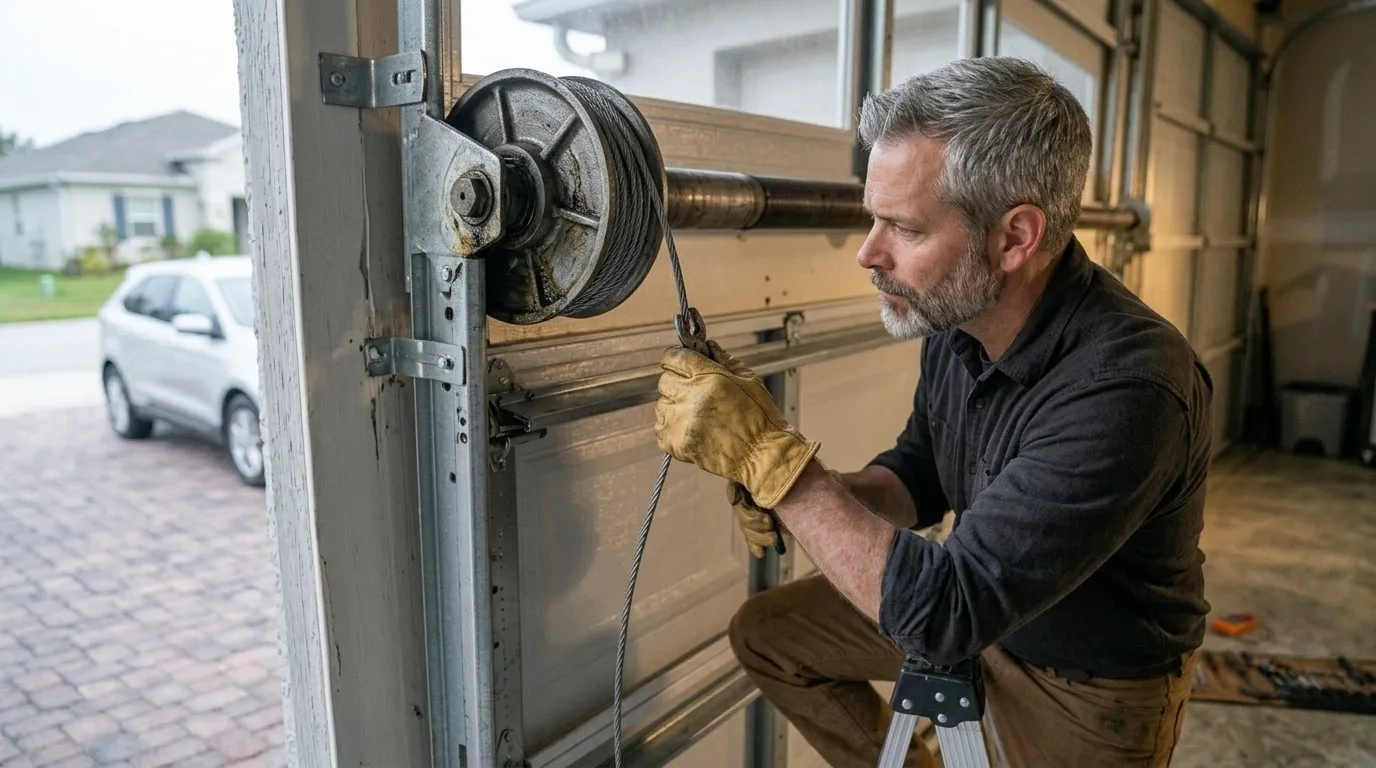
A maintenance visit on an older Harpers Ferry door starts with the springs, since extension springs age differently than torsion and need a different inspection - stretched coils, worn safety cables, hooks that have started to open. Next is the track alignment, because older framing has usually shifted enough that brackets need re-shimming rather than just tightening. We check the opener's force settings if the unit's been swapped out at some point, which is common on a house this age, and we look at the panels themselves for rust at the bottom seam, which is where cold-season moisture does the most damage on original steel doors. We lubricate hinges and rollers with a cold-weather-rated grease rather than a household oil, since the severe winter conditions here will gum up the wrong lubricant by December. What we don't do is replace hardware that's still sound just because it's old - if the springs are within spec and the cables aren't frayed, we leave them and note it for next time.
Booking a Visit
We run out of Martinsburg, and Harpers Ferry is a 16-mile drive from there, so a visit gets scheduled rather than dropped in on same-day. When you call, tell us the house's approximate age if you know it - pre-1950s builds get a different inspection checklist than something from the 2000s, and knowing that up front saves time on-site. We don't keep a branch or crew stationed in Harpers Ferry itself; every job here is a trip from the shop, which is worth knowing if you're comparing us to someone who claims to be local to this specific town. That drive doesn't change the work, but it does mean booking a specific window works better than expecting a walk-up appointment.
Where This Job Goes Sideways
The most common mistake on a house this old is treating the door like it's the same age as the rest of the county's stock. With only about 150 households in Harpers Ferry itself, and a median income of $111,600 that tends to support well-kept older homes rather than new construction, the doors we see here have usually been maintained piecemeal over decades - a spring replaced in one decade, an opener in another, a panel swapped after storm damage at some point. That patchwork means a maintenance check has to treat each component on its own age, not assume they're all the same vintage. The other way this goes sideways is skipping maintenance because the door still opens fine. On original hardware, cold-weather stress builds slowly and shows up as a sudden failure, not a gradual one - by the time you notice a problem, the spring or cable has usually already gone.