What the Fix Involves
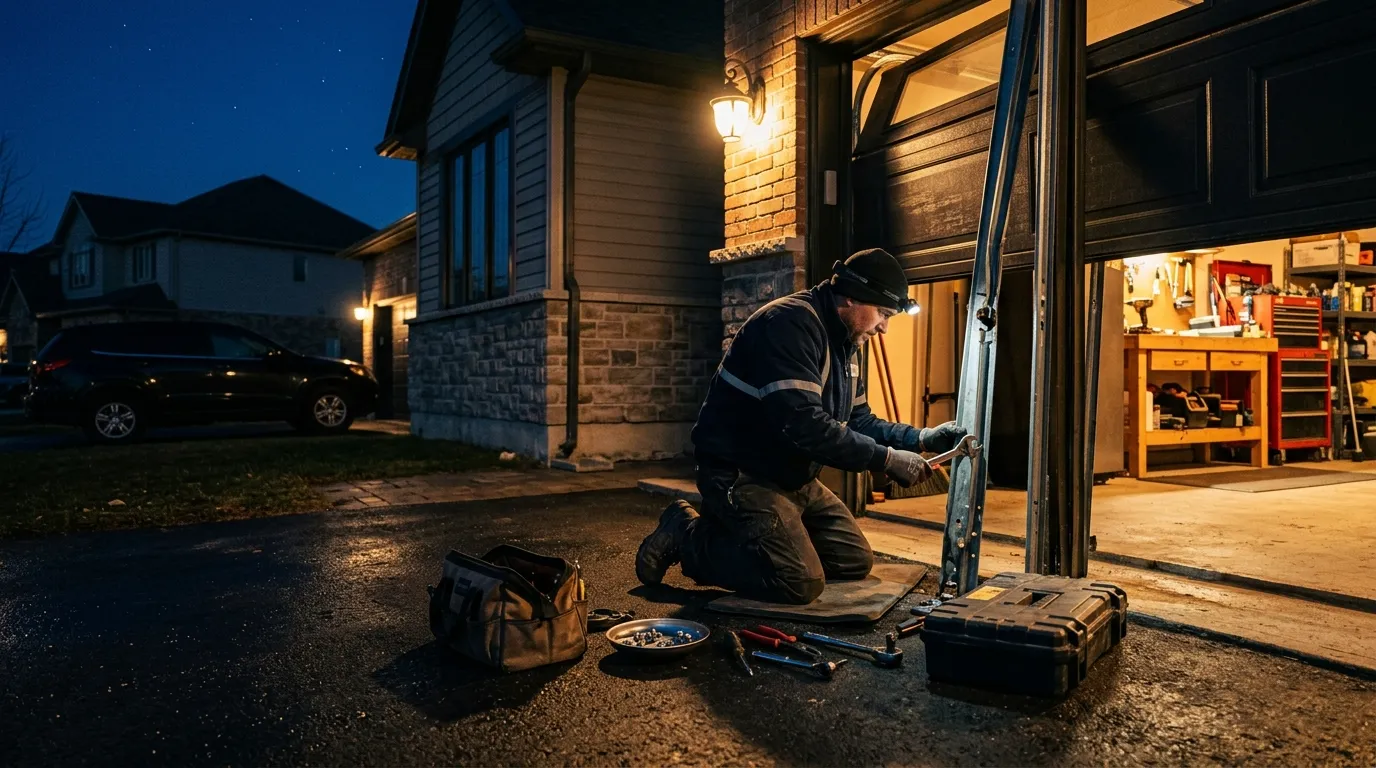
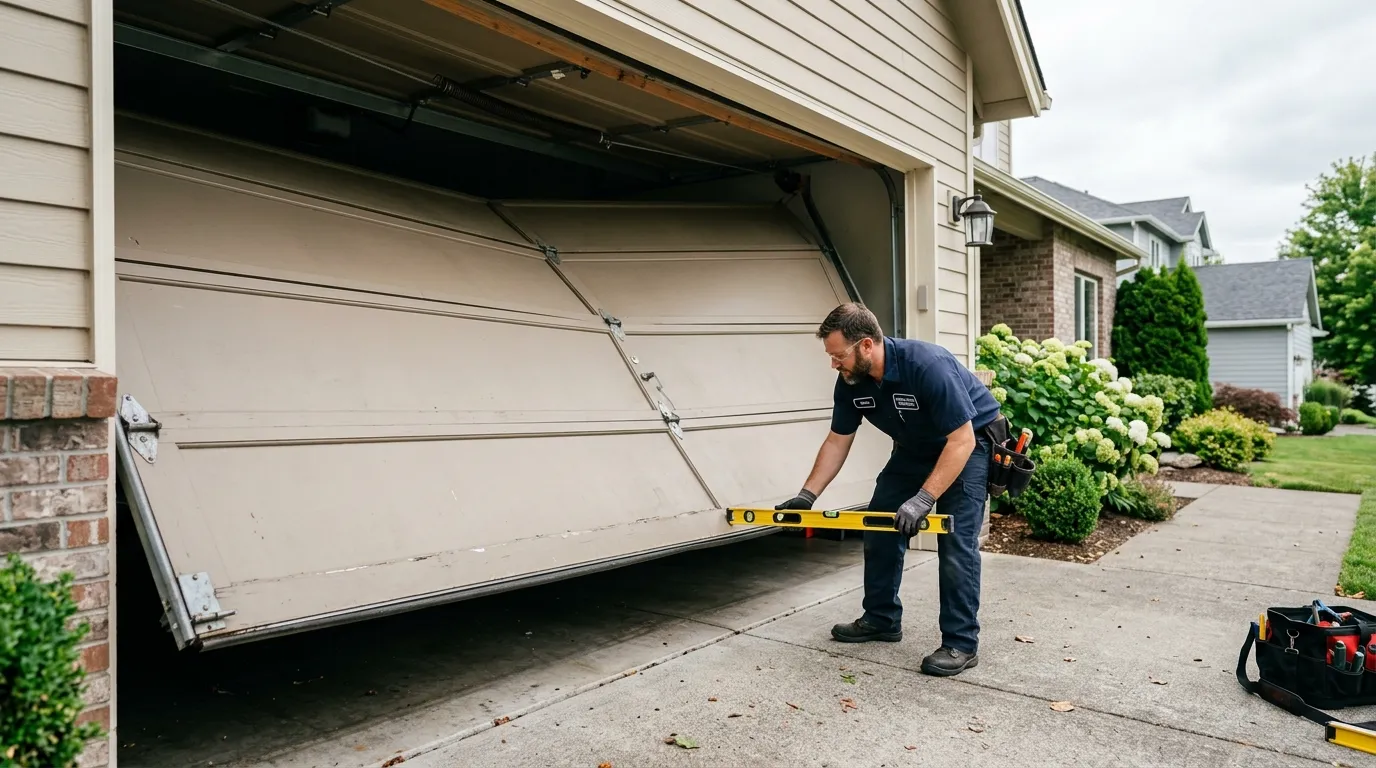
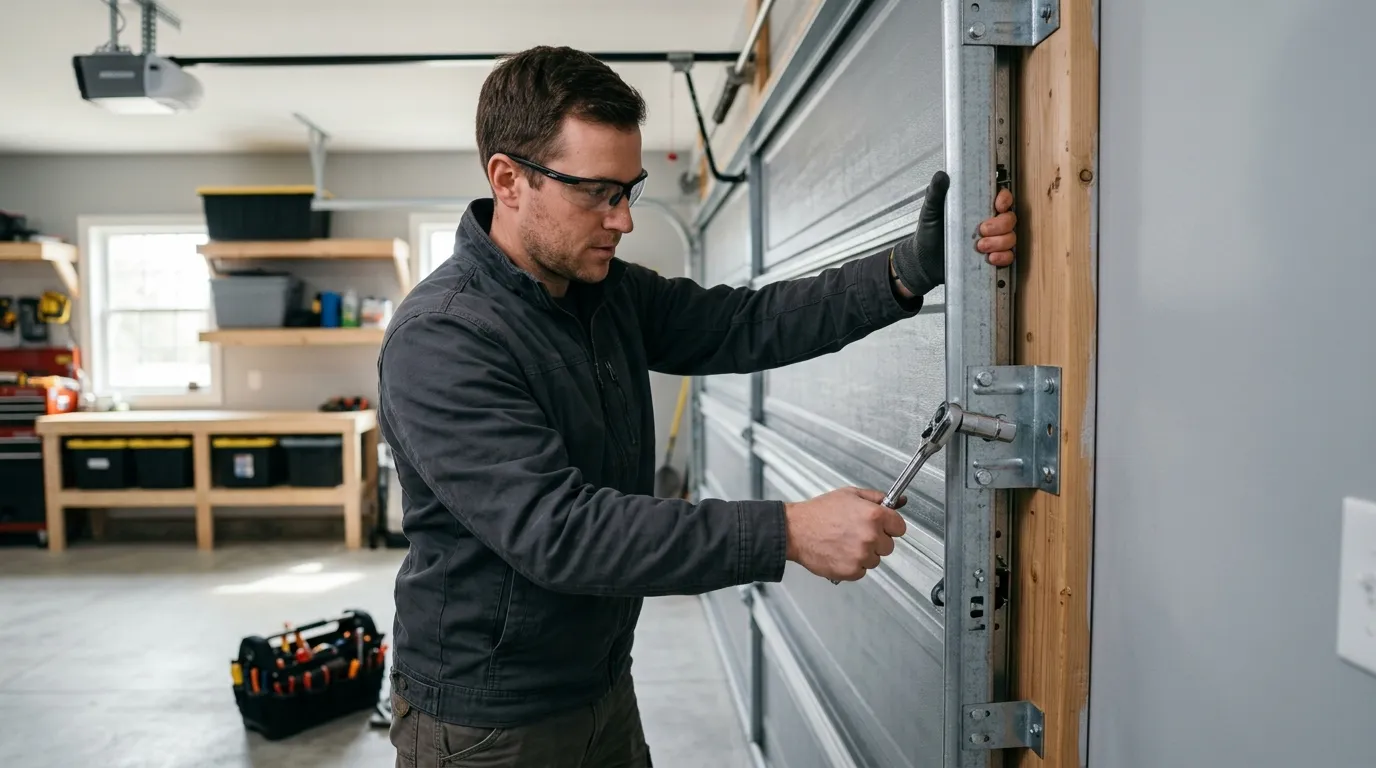
We start by pulling the old door and checking the opening for square before anything else gets ordered. On a house this age that step isn't optional - if the jambs are out by more than a small margin, we shim and reset the track mounts before the new door ever goes up, or the rollers bind within a season.
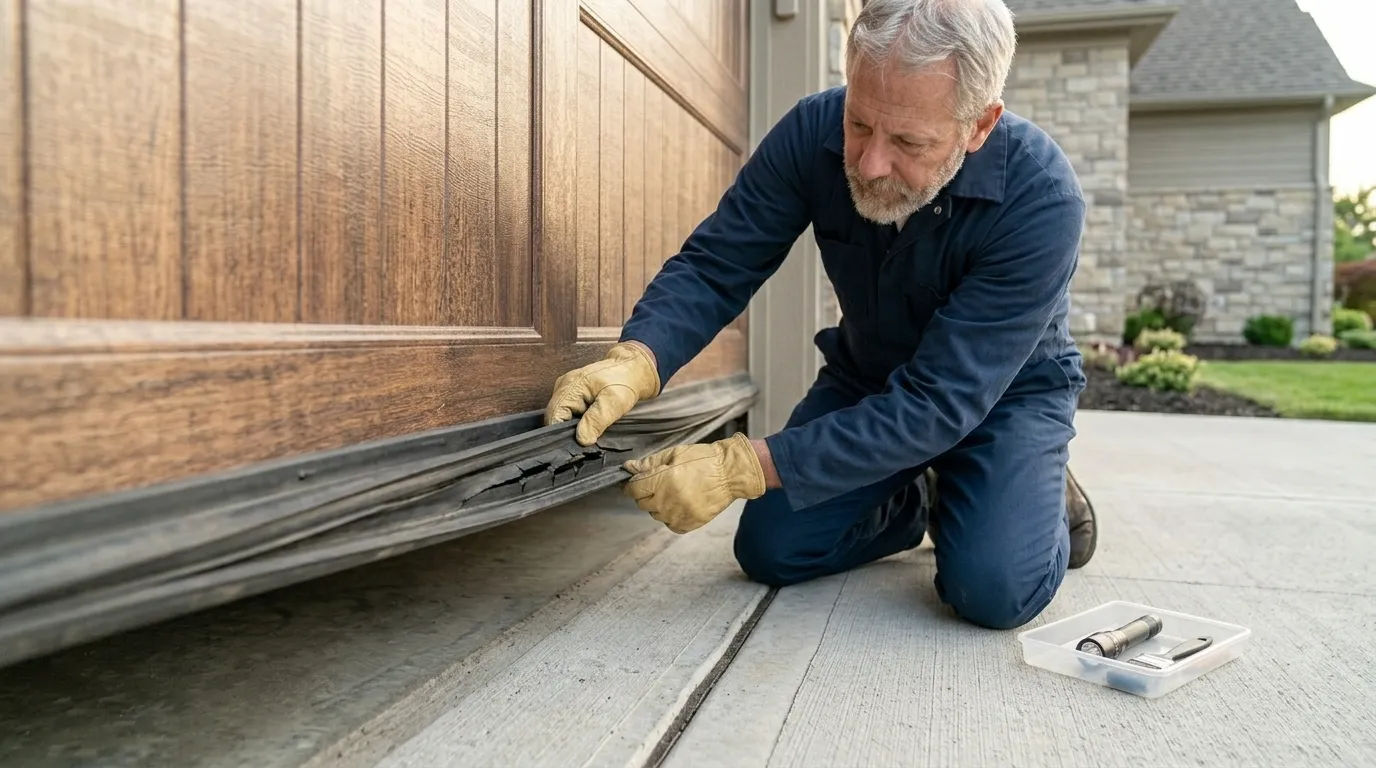
The climate band here runs cold and severe, so insulation and weatherstripping choices aren't cosmetic. A hollow single-layer door on an unheated garage means condensation on the inside face all winter, which is how wood trim around older openings starts to rot from the inside. We spec insulated panels and a bottom seal rated for that cold, matched to the opening we actually measured - not a stock size pulled off a shelf.
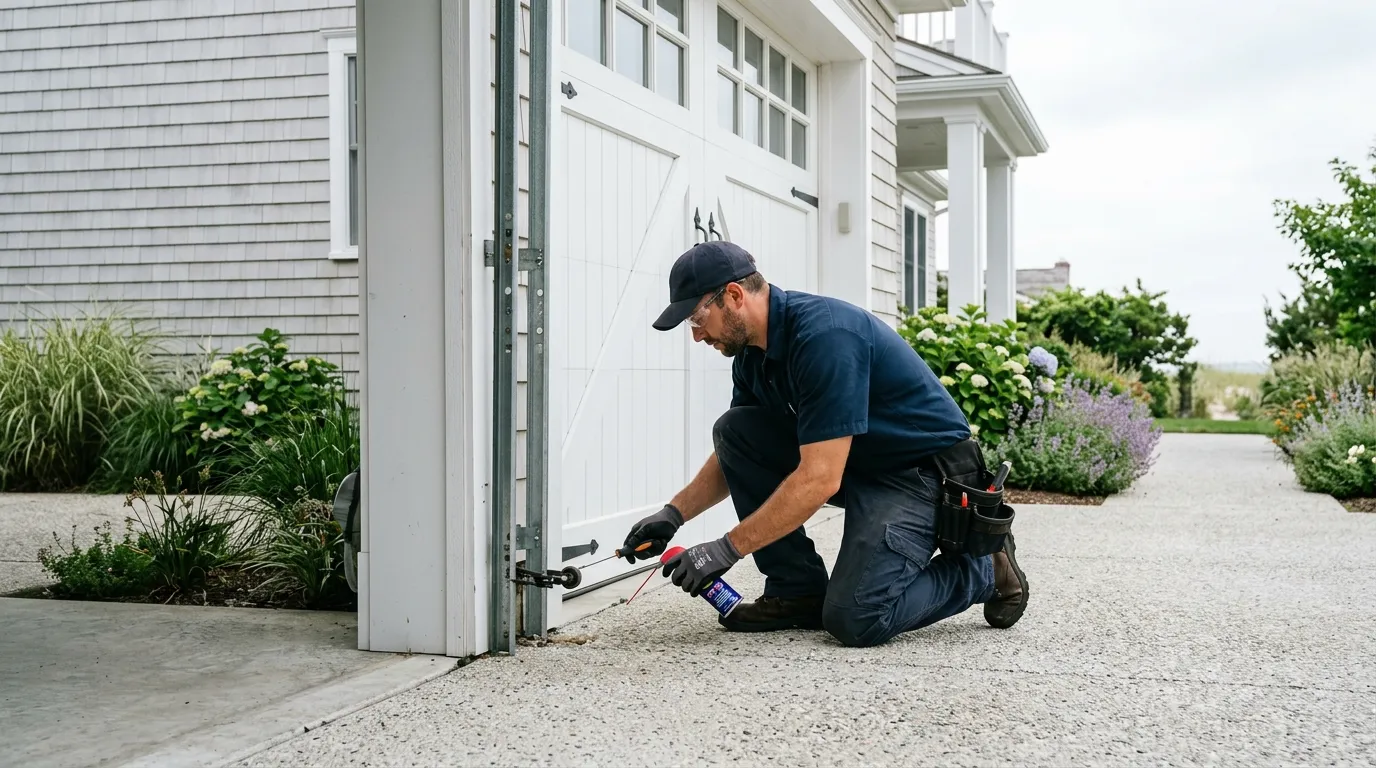
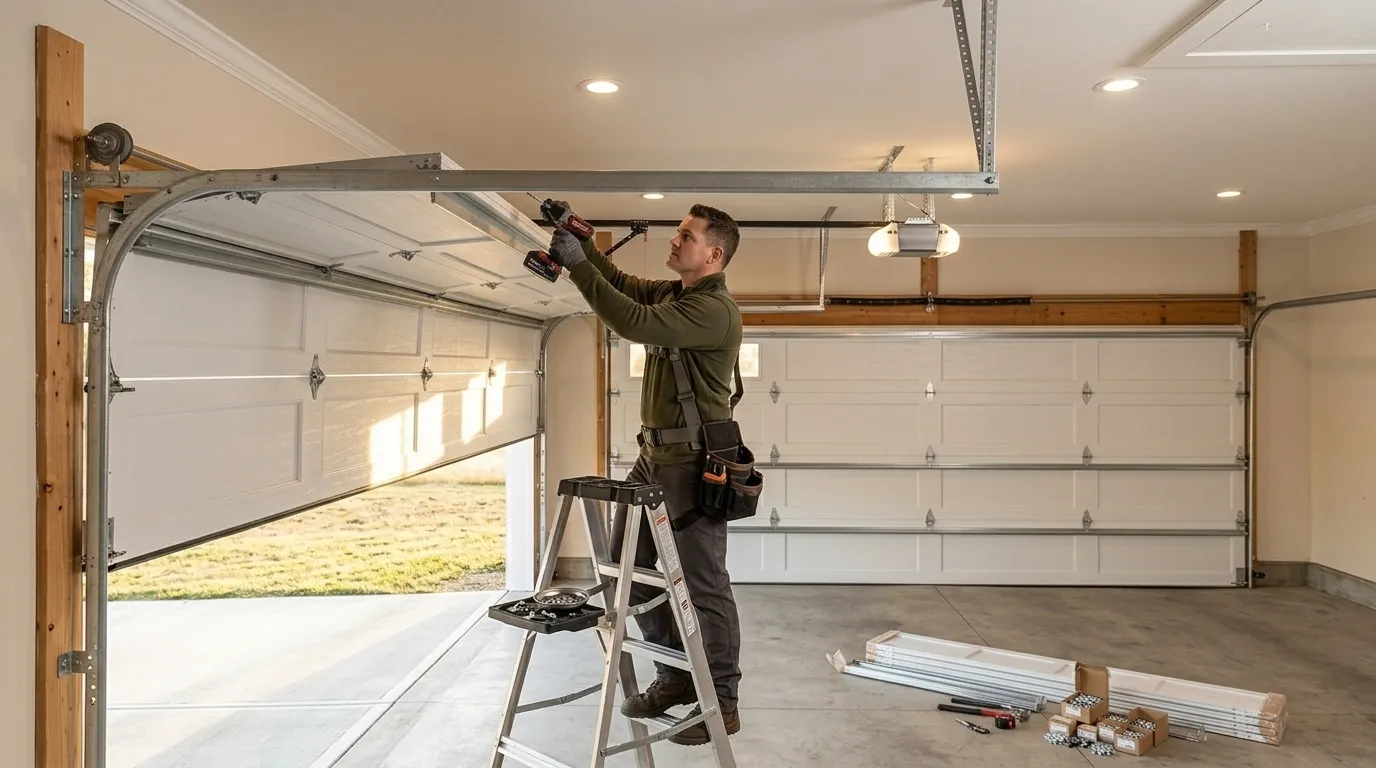
Spring and cable sizing gets checked against the door weight, not guessed. An insulated steel door weighs more than the single-layer wood or thin steel door it's replacing, and torsion springs sized for the old door will over-cycle or snap under the new one within the first year.
Booking a Visit
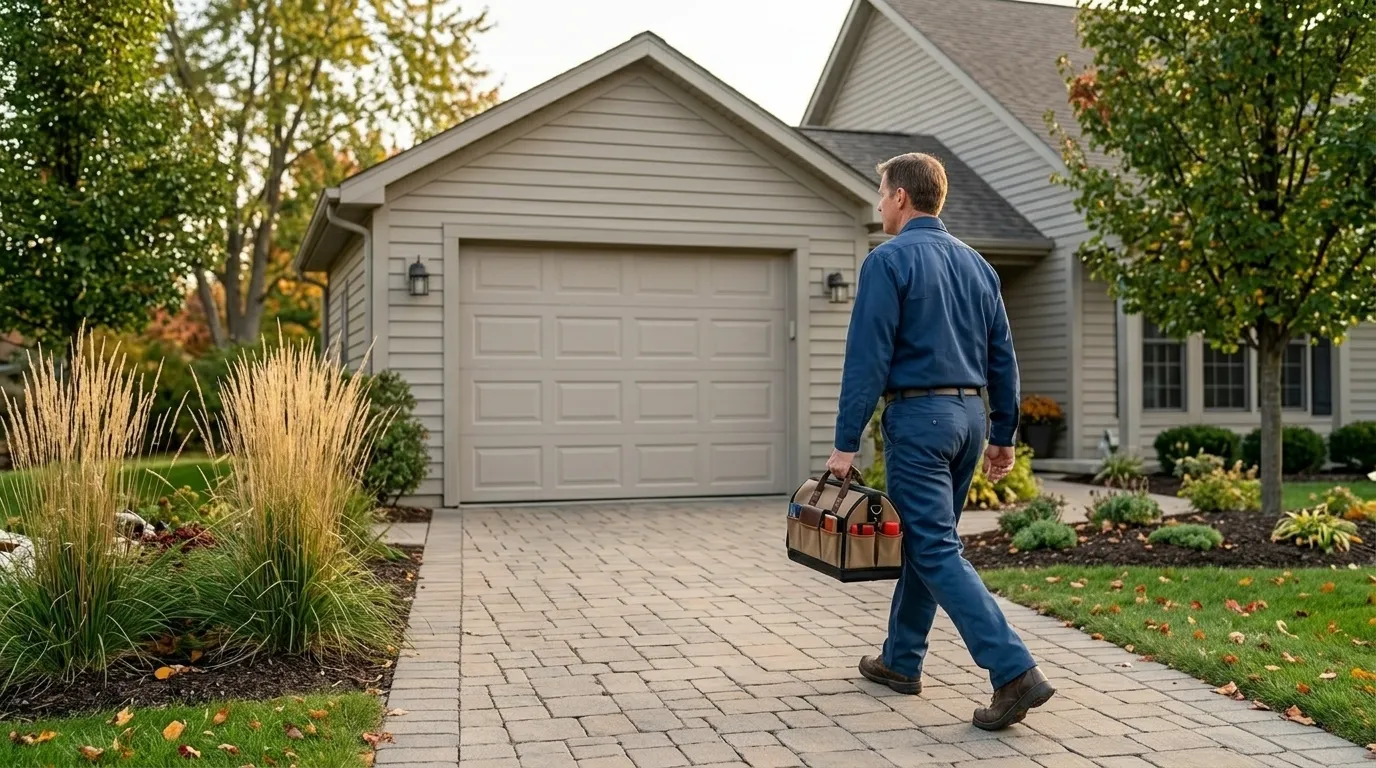
We travel from Martinsburg to cover Harpers Ferry, so a visit here gets scheduled as a trip, not a drop-in. There's no local branch and no walk-in counter - the truck comes from Martinsburg, 16 miles each way, and that drive gets factored into how the day gets planned rather than treated as an afterthought.
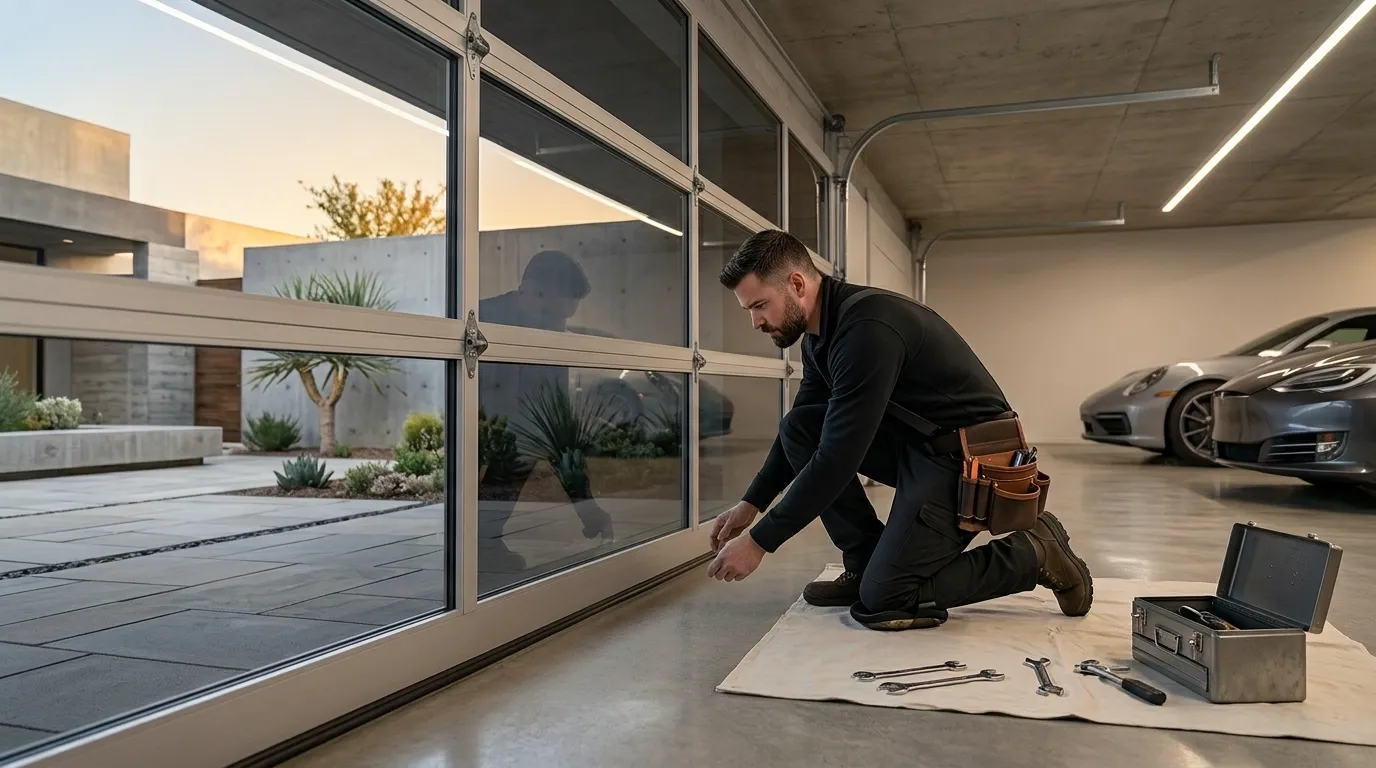
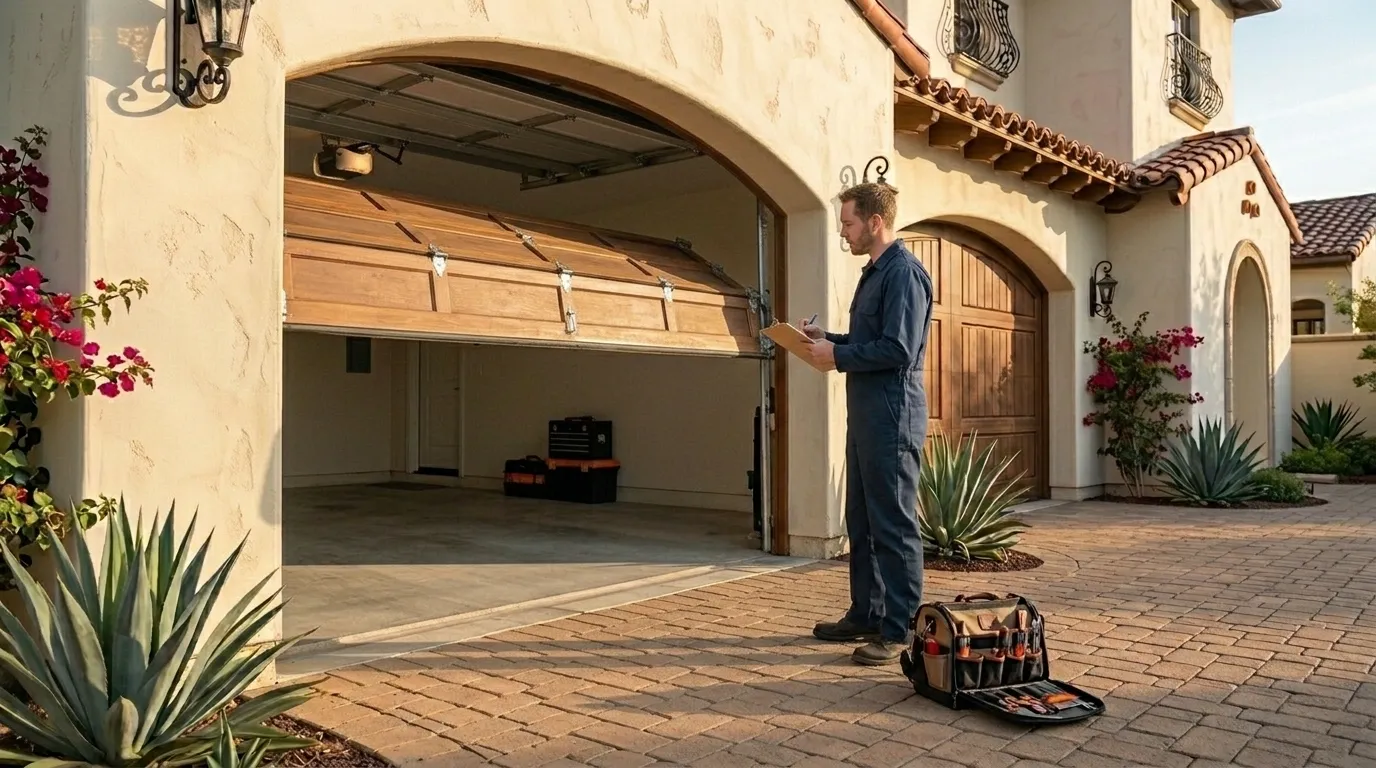
For a new installation, that first visit is for measuring the opening, checking framing condition, and talking through door and insulation options before anything is ordered. Given the age of the housing stock out here, we'd rather spend the extra time at the measuring stage than find a framing problem after a door's already been ordered to the wrong size.
Where This Job Goes Sideways
The most common way this goes wrong is ordering a door to a nominal size without confirming the actual opening dimensions on-site first. On newer construction that shortcut usually works because openings are built to code spec. On a house from this era, the opening may be off by enough that a stock-sized door won't seat right, and that mismatch doesn't show up until installation day.
The other place it goes sideways is springs. A heavier insulated door on old torsion hardware sized for a lighter original door is a mismatch that won't fail immediately - it fails six or eight months in, usually in the cold, which is exactly when you don't want a broken spring. We size hardware to the new door's actual weight, not to whatever was on the track before.
One honest limit: if the framing damage around the opening is extensive - full jamb replacement, header repair - that carpentry work is beyond what we do as part of a door install, and we'll say so rather than patch around it.