
The Cost of This Job
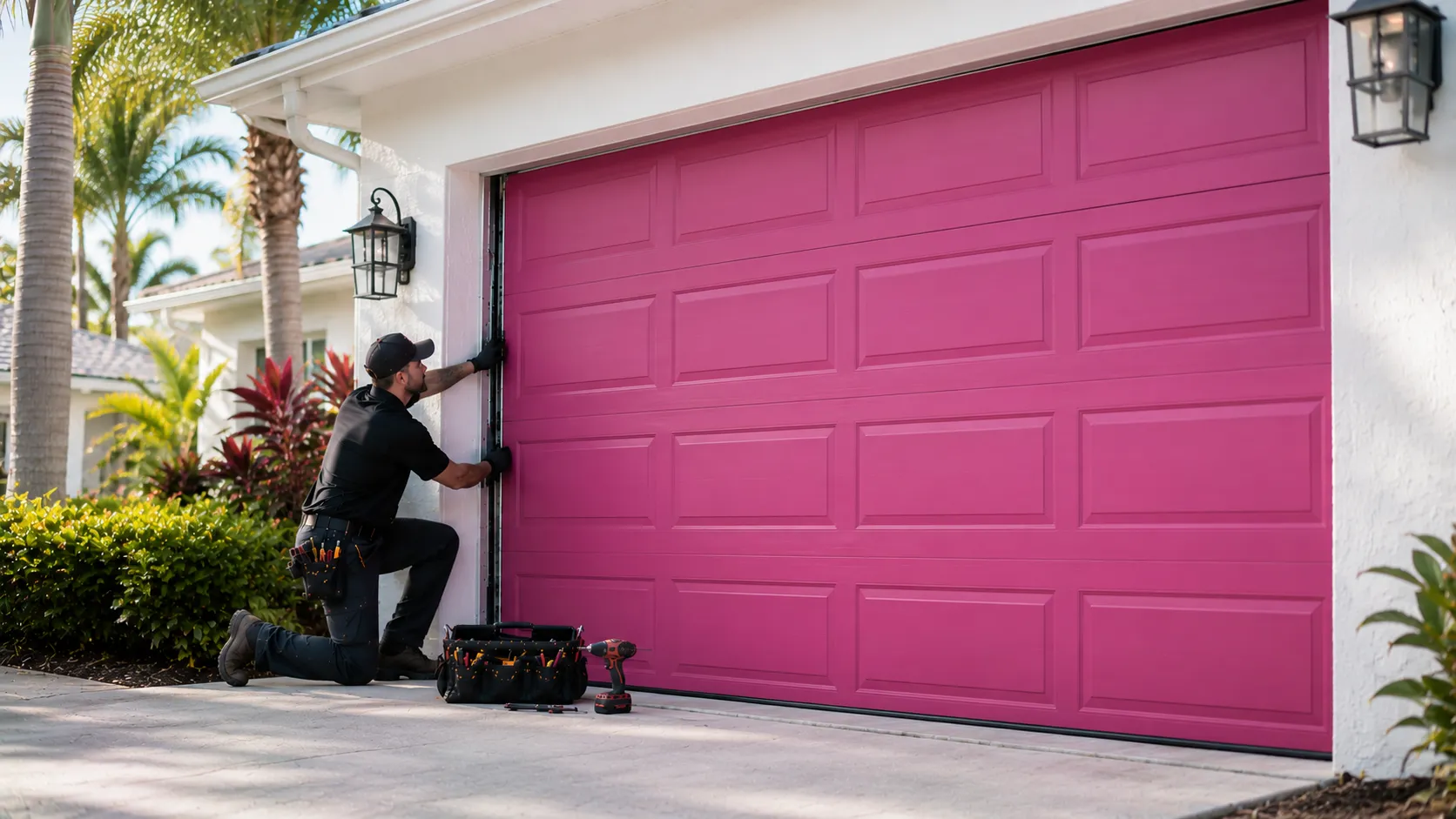
We don't have a fixed price to quote you here without seeing the door, and we're not going to make one up. What we can tell you is what drives the number: how many rollers need replacing (a full set of 10 versus two or three that failed early), whether the roller stems are steel or nylon, and whether the track needs straightening or swapping alongside the rollers. Shepherdstown's median household income sits at $62,500, noticeably lower than the roughly $87,600 median across the wider service area, and we mention that only because it's the honest reason we don't push full track-and-roller replacement on a door where a targeted roller swap will do the job. If your rollers are worn but your track is straight, we replace what's worn and leave the rest alone. We travel the 9 miles from Martinsburg for this work, so there's a trip charge built into most visits regardless of the roller count - ask when you call and we'll walk through it before anyone drives out.
Parts We Carry
For doors from this era we stock nylon rollers with sealed bearings in the common stem lengths, which is almost always an upgrade from what came on the door originally - quieter, and they don't wear the track the way bare steel does. We carry both 7-ball and 10-ball stem sizes on the truck since older Shepherdstown doors mix both depending on when a previous owner did any work on them. What we don't stock is oddball or discontinued OEM steel rollers matched to a specific manufacturer from the late 1930s through the 1950s - if your door still has factory-original hardware from that period, we may need to order a part, and that adds a day or two rather than same-visit work. We'll tell you straight if that's the case before we start, not after.
Can You Do This Yourself
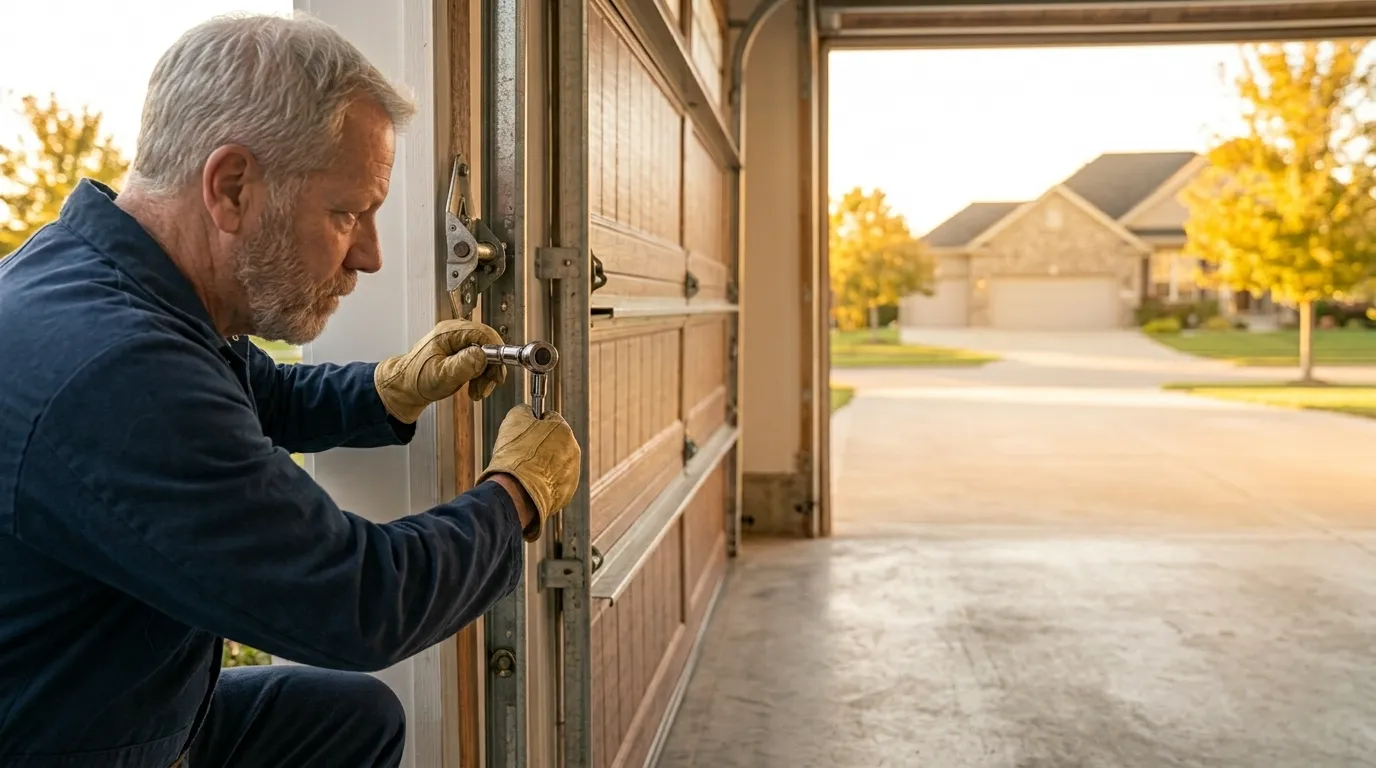
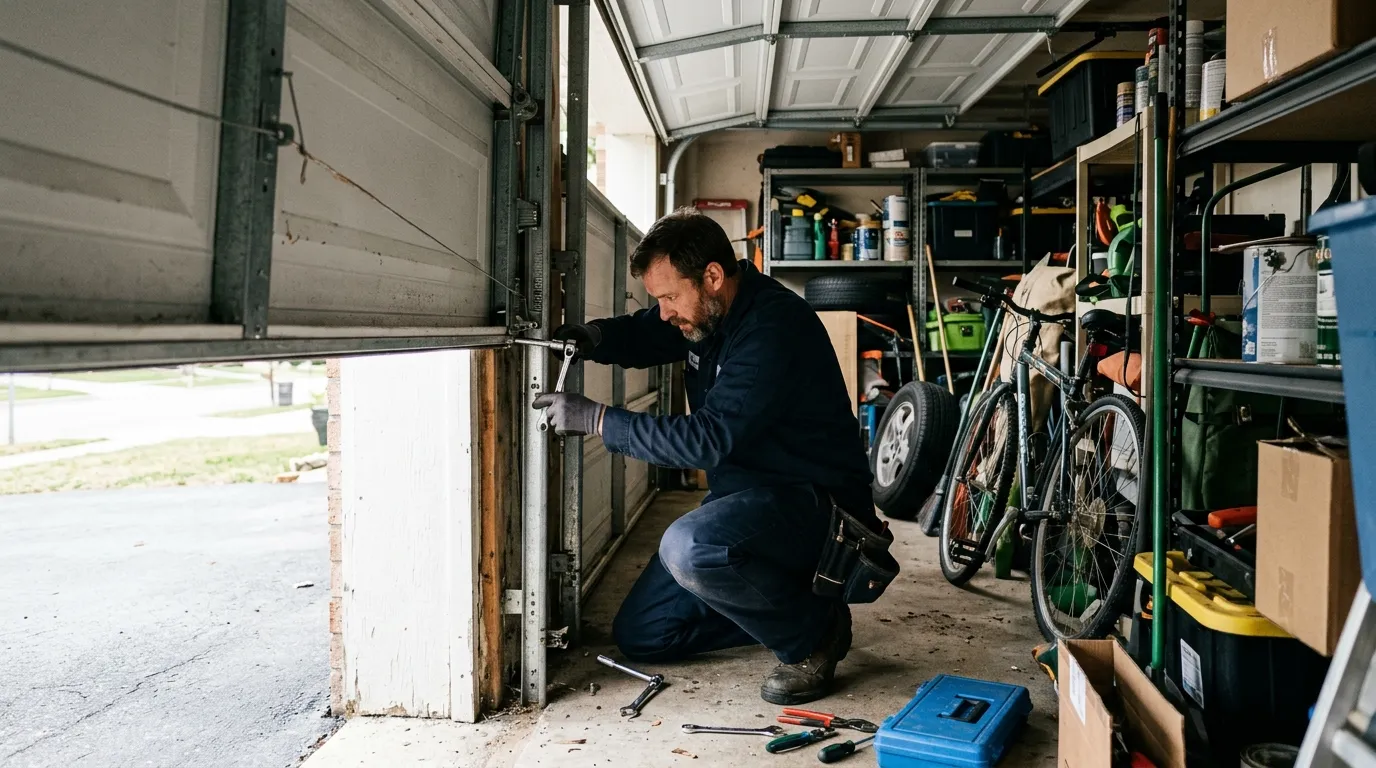
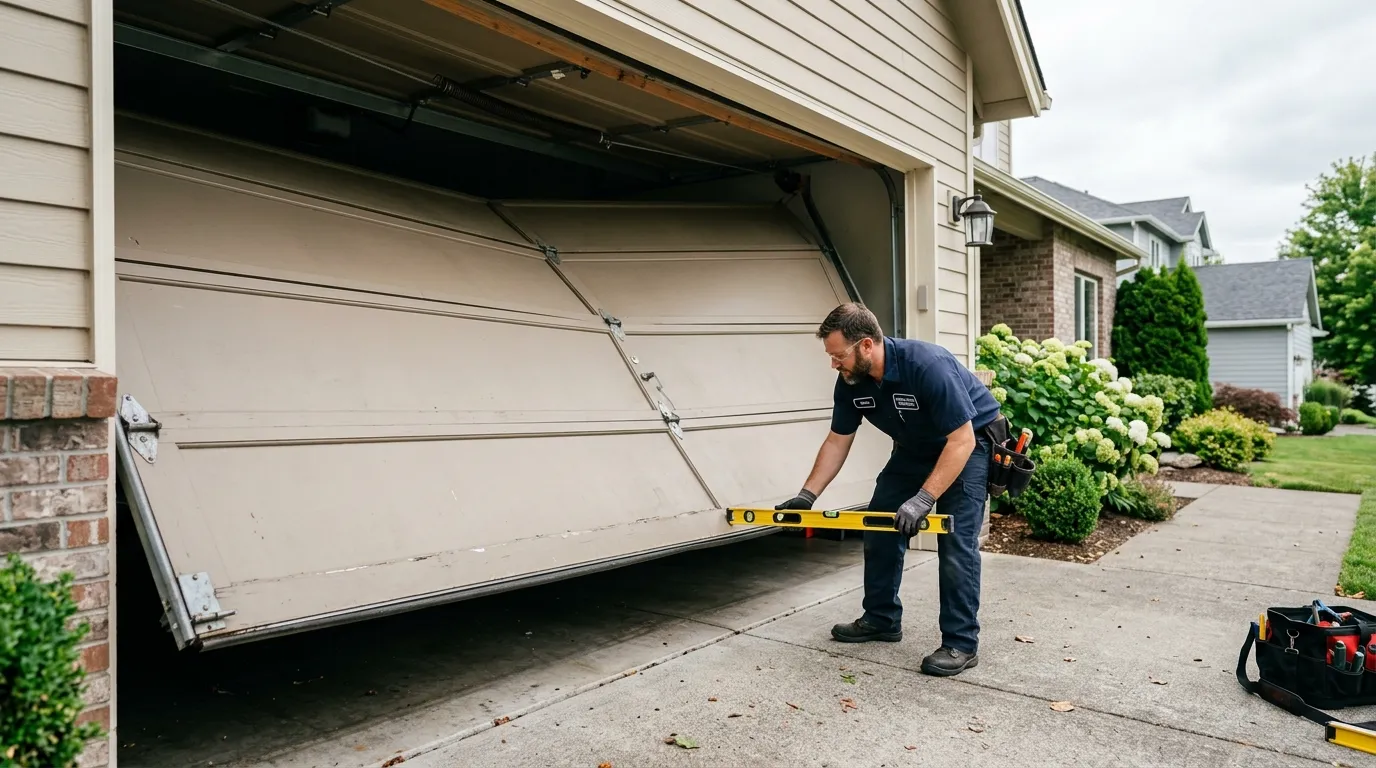
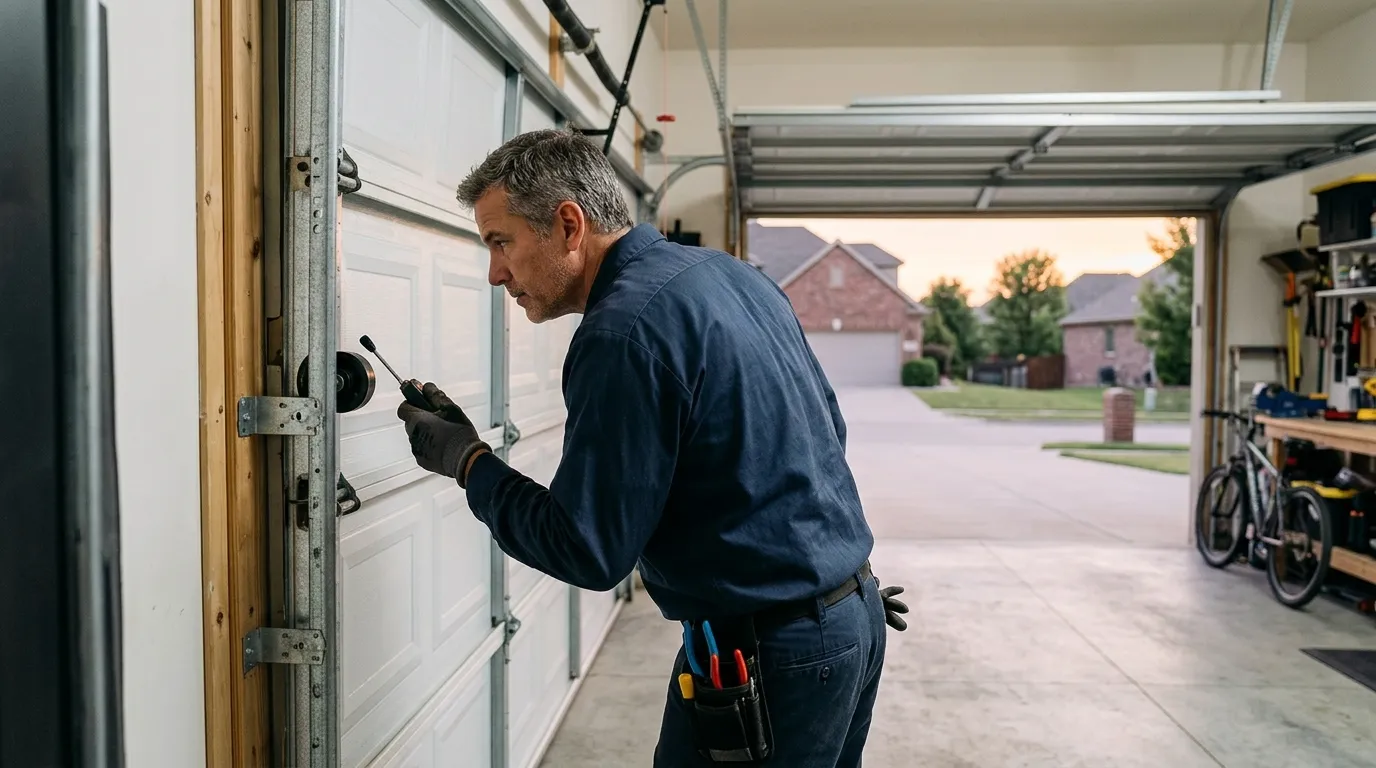
Swapping a roller on a door with the spring properly at rest is within reach for someone comfortable with a socket set and patient about it - you release the roller from the hinge, slide the old one out of the track, and seat the new one. Where people get hurt is working near a torsion spring that's still under tension, or forcing a bent roller stem out of a grooved track and losing control of the door mid-repair. If your door is original to a house built in the late 1930s or 1940s, we'd also want eyes on the track and hardware before you start pulling rollers, since replacing one worn part on old, mismatched hardware can shift load onto the next weak point. If you're unsure which kind of job you're looking at, call before you start rather than after.