Serving Charles Town from Martinsburg, 14 miles out. We know the 2001-median housing stock here and the cold-climate hardware faults that come with it.
Charles Town's housing stock centers on a median build year of 2001, which puts most of the doors we see here on steel sectional panels with extension or torsion springs rated for a house built to codes from the late 1990s and early 2000s, not the older stock you find closer to Martinsburg. That matters because a 2001-era door usually has factory nylon rollers and a lighter-gauge torsion spring than what went into homes built before 1980. Those parts are still serviceable, but they're not built for another twenty years of daily cycles without attention. If your opener is original to the house, it's likely a chain-drive unit from the early 2000s - reliable, but loud, and the circuit boards in that generation are starting to fail from age rather than misuse. We don't assume every call here is an old-house problem. Most of what we find is a spring or roller that's simply worn out its rated cycle count, which is a different fix than the seized hardware and rotted jambs you get on pre-1960 stock. Knowing which era we're walking into before we open the truck saves you a second trip and saves us guessing at parts on the driveway.
What We Do Most in This Area
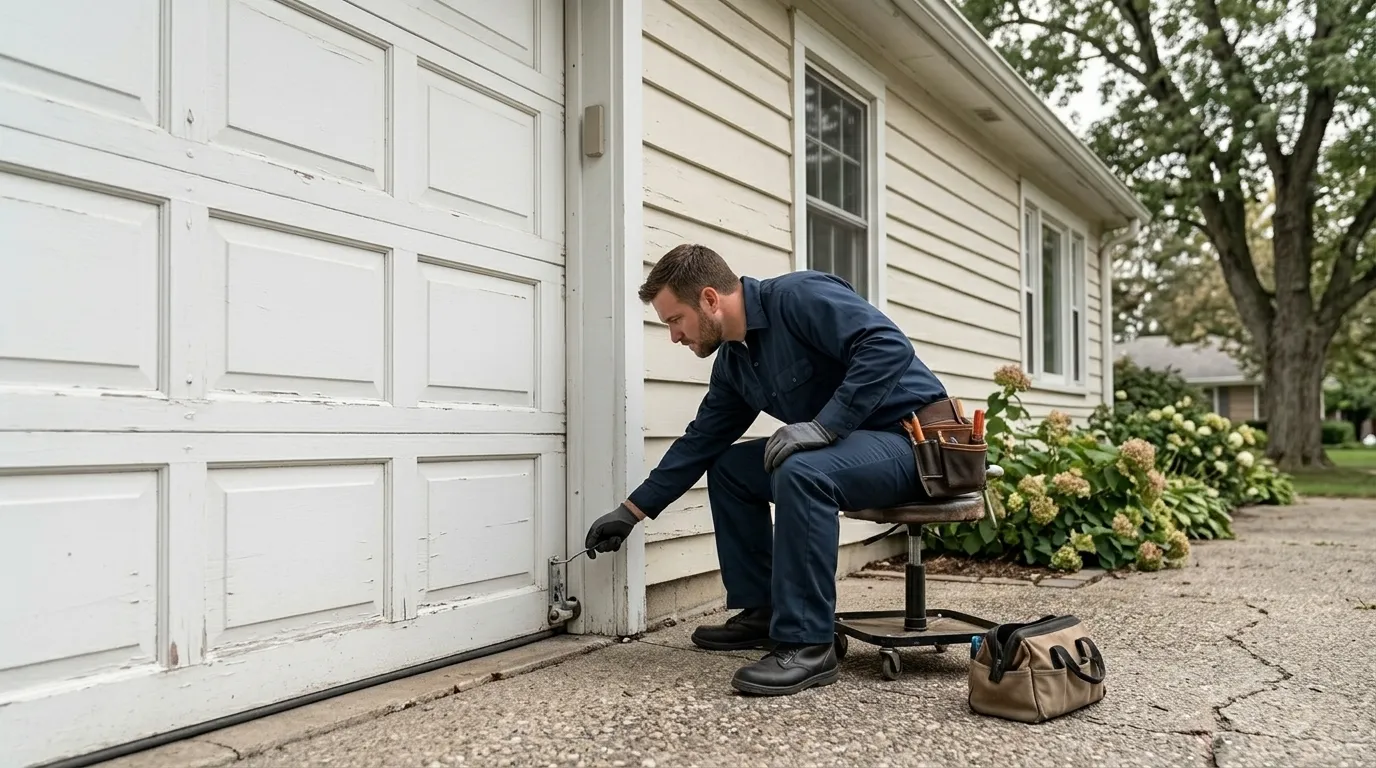
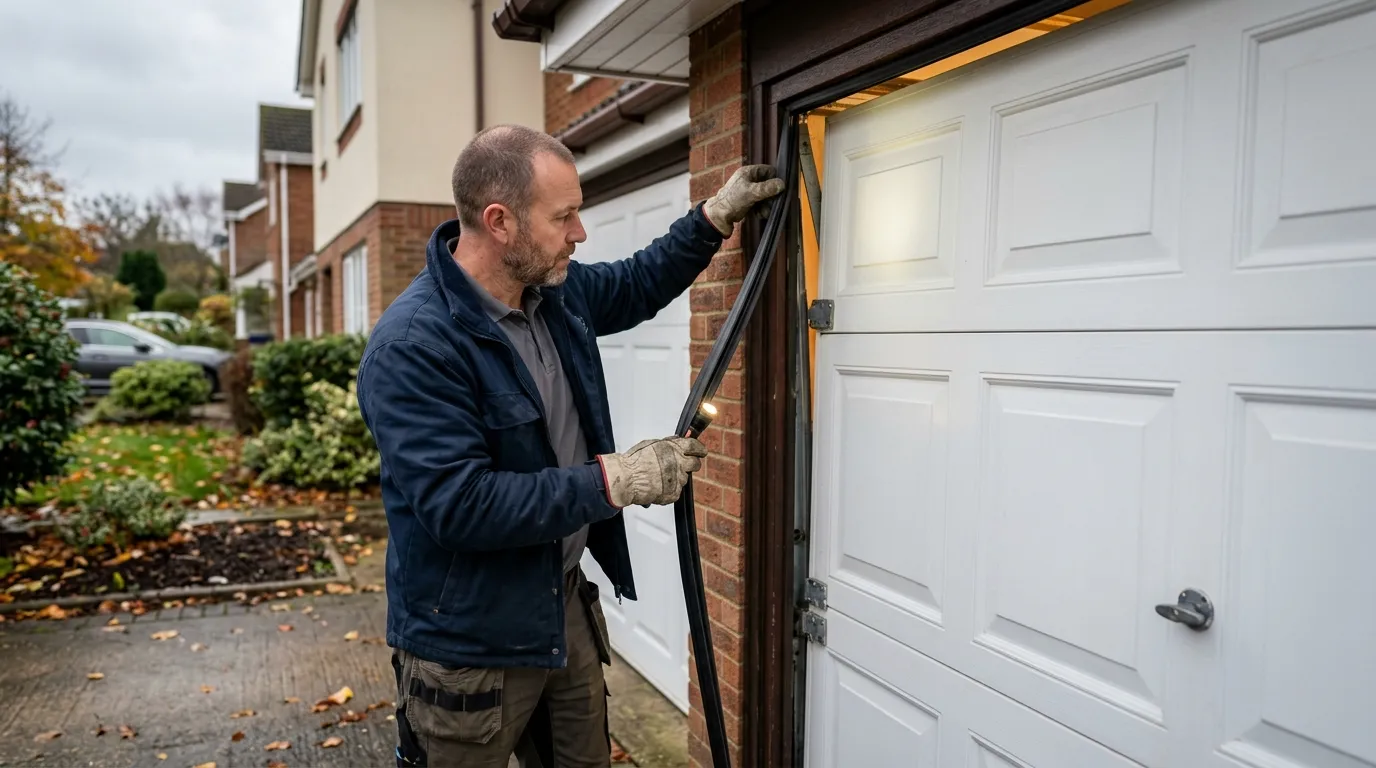
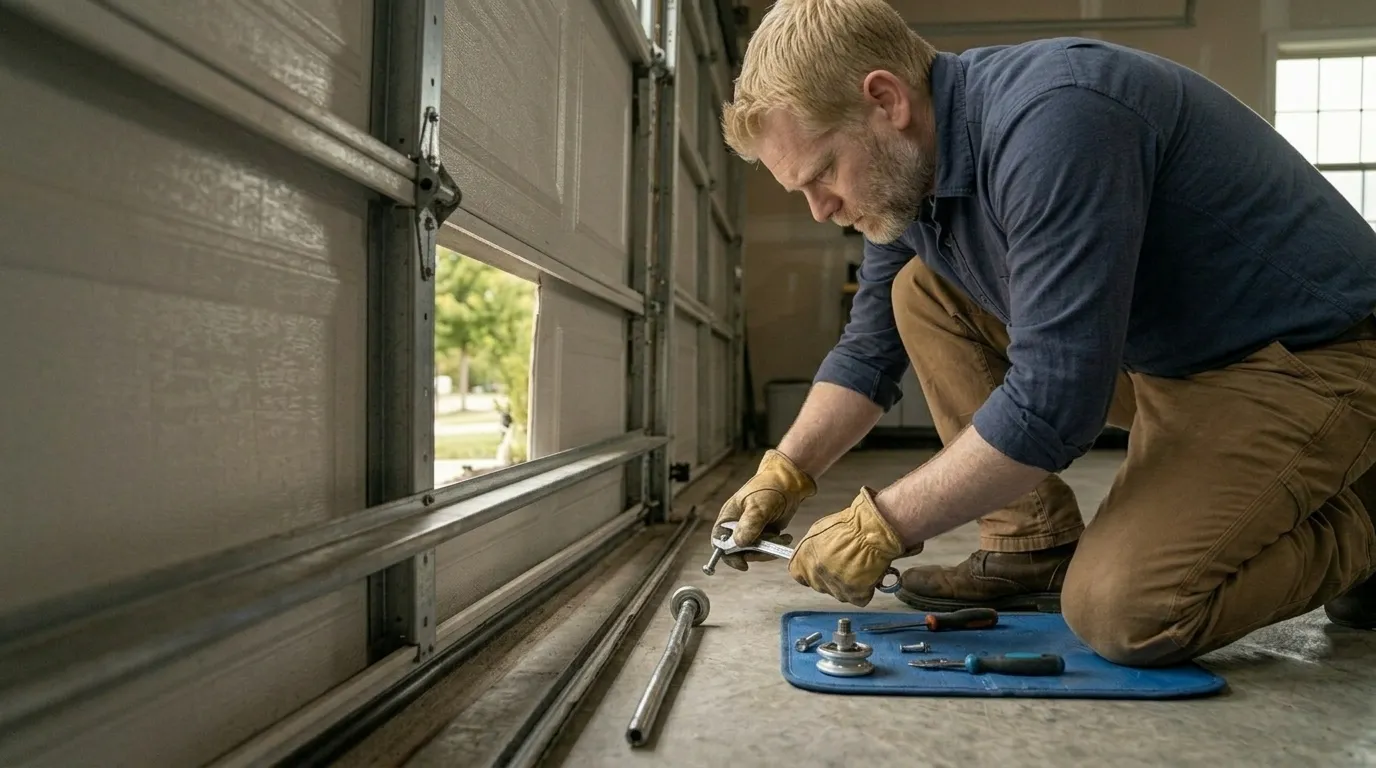
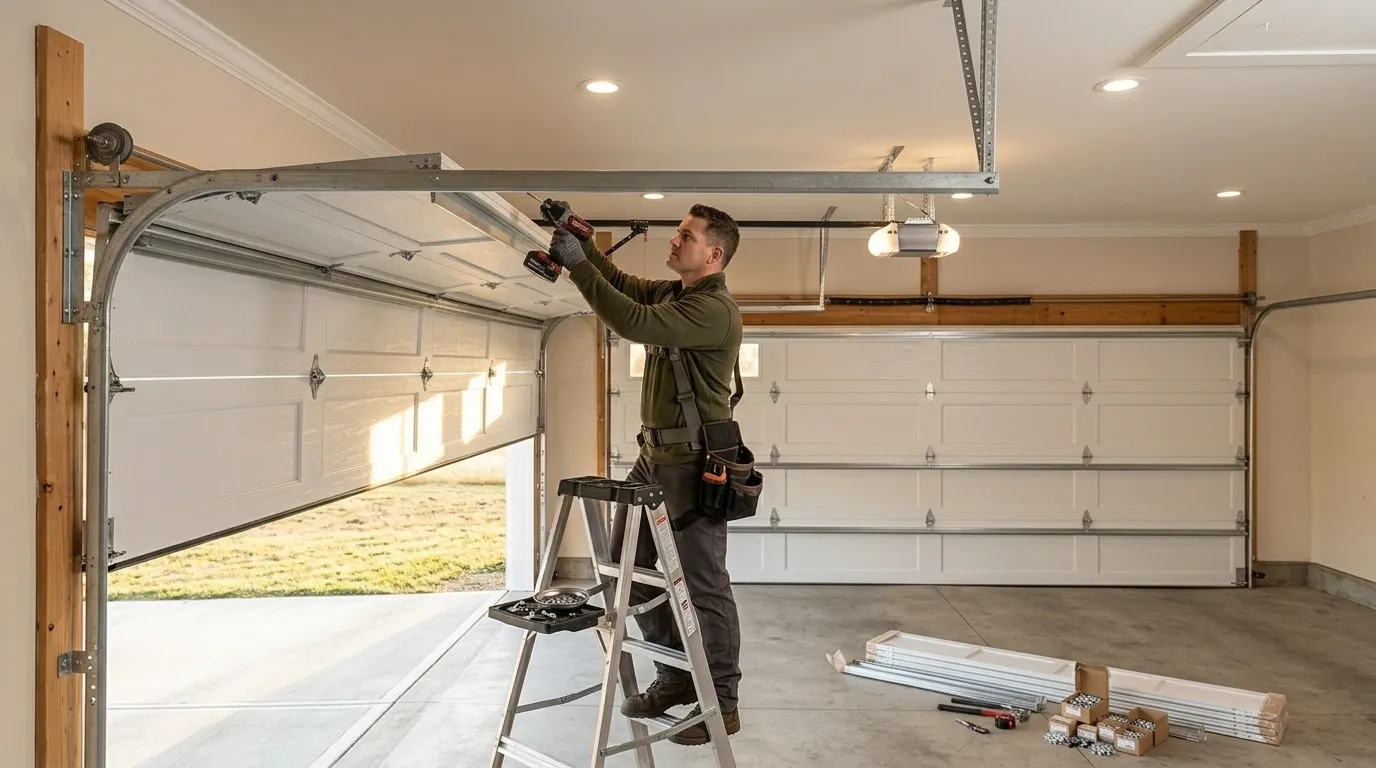
Given the 2001 median build year, the calls that come out of Charles Town lean toward spring replacement on doors that have simply hit their cycle limit, and opener repairs on the chain-drive units that shipped standard in that era. We also see a fair number of roller and hinge jobs - nylon rollers from a 2000s-era door start rattling and jumping track well before the door itself is worn out, and that's a cheap fix if you catch it before the track bends. We travel the 14 miles from Martinsburg for these calls, so we plan the truck for what a house this age typically needs: torsion springs sized for a standard double door, opener logic boards, and roller sets, rather than the heavier hardware an older door might need. One honest limit: we don't stock every logic board for every opener brand on the truck, so if your unit needs a specific board, that part sometimes has to be ordered before we can finish the job in one visit.
The Houses Here
Across the roughly 2,531 households in this part of the service area, the housing is newer than what you'd find in some of the older river towns nearby - median build year 2001 means most garages here were framed to modern insulation and header standards, not retrofitted decades later. With median household income around $94,830, we also see more owners opting for full door replacement instead of a patch repair when a panel gets dented or an opener dies for good, since the newer door frames make that swap straightforward. The winter climate here is classified cold and severe, which is the other half of the story: even a 2001-built door with good weatherstripping will see its lubricant thicken and its spring tension shift in a hard cold spell, and that's when a marginal spring finally lets go. It's not that the doors are bad - it's that cold-severe winters expose whatever slack was already in the hardware.
The Calls We Get From Here
The pattern from Charles Town is fairly consistent: a torsion spring snapping in cold weather, an opener that's stopped responding after years of steady use, or rollers that have started grinding because the door is a couple decades in and nobody's greased the track since it was installed. We don't get many calls here for the kind of structural rot or ancient extension-spring setups you'd find on much older housing stock - the age of the neighborhood works in your favor there. What we do tell people honestly: if a door is original to a 2001-built house and the opener has failed along with a bent track, replacing the whole unit is often cheaper over time than repairing piece by piece, since parts for that generation of opener are getting harder to source. We're 14 miles out from our Martinsburg base, so we schedule Charles Town calls in batches when we can, which keeps the trip efficient without pretending we've got a truck sitting local.
How it works
From “it’s stuck” to “it’s fixed”
1
Tell us what’s wrong
Describe the symptom - won’t open, loud bang, opener runs but the door won’t move.
2
On-site diagnosis
A technician tests the door under power and by hand and finds what actually failed.
3
Clear, up-front plan
You get the fix that’s needed and what drives the cost - before any work starts.
4
Repaired & tested
The repair is done, the door is set true and tested, and the work area left clean.
Next step
Serving Martinsburg, WV - tell us what your door’s doing and we’ll take it from there.
Why does the age of my house matter for a garage door repair?
A door's springs, rollers, and opener are all sized to when the house was built. Charles Town's median build year is 2001, so most doors here run 2000s-era hardware - different spring tension and roller material than a house built in the 1970s. Matching the right part to the right era is why we ask the build year before we quote.
Do you have a shop in Charles Town?
No. We work out of Martinsburg and drive the 14 miles to Charles Town for scheduled calls. We don't keep a depot or stock here, so we plan the truck ahead of time based on what a 2001-era door typically needs.
Does cold weather really affect a newer garage door?
Yes. This area falls in a cold-severe climate band, and even a door built in 2001 with good weatherstripping will see lubricant thicken and spring tension shift when temperatures drop hard. That's usually when a spring that was already near its cycle limit finally breaks.
Is it worth replacing an opener instead of repairing it?
Sometimes. If your opener is original to a 2001-built house and a logic board or motor fails, parts for that generation are getting harder to find. We'll tell you honestly when a full replacement costs less over time than chasing parts for an aging unit.
Ready to get your garage door sorted?
Tell us what it’s doing and where you are in Martinsburg - we’ll take it from there.