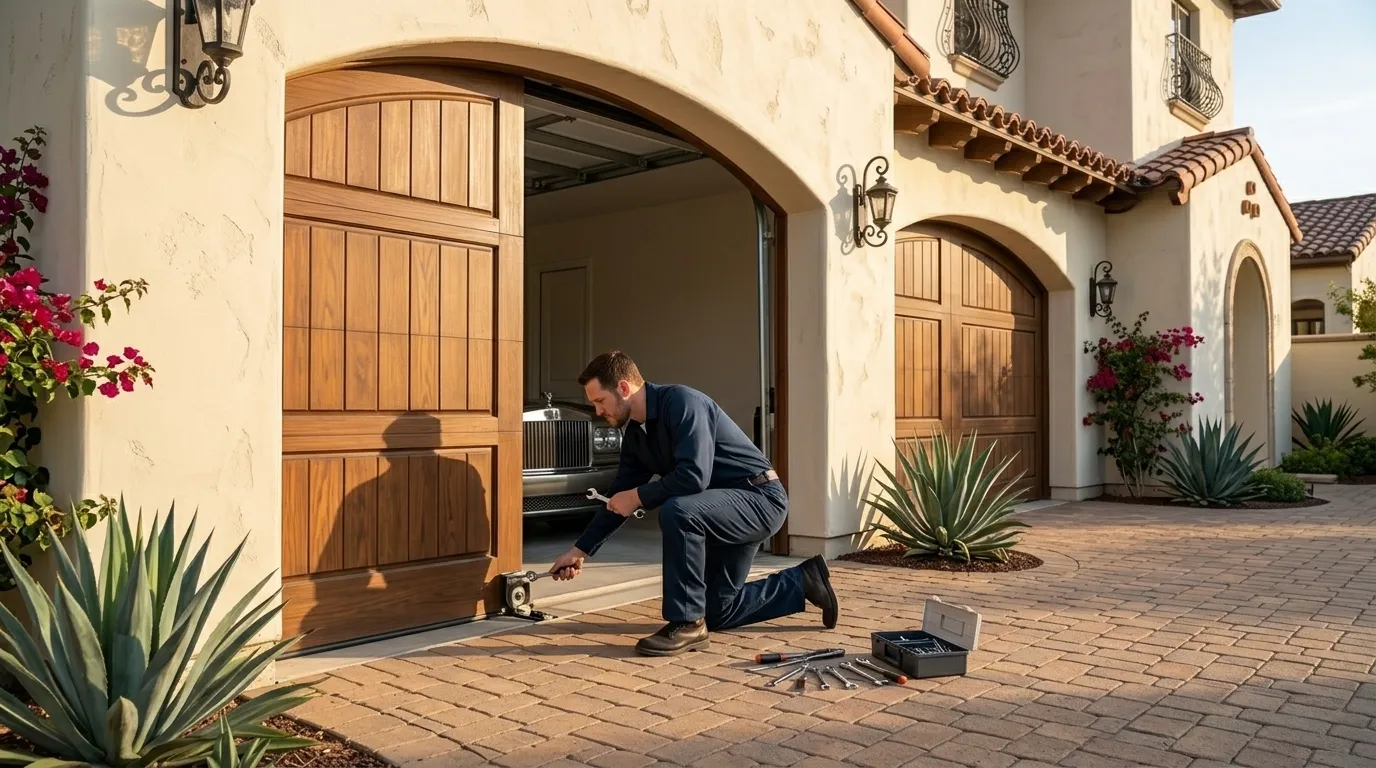
Garage door installation in Martinsburg, sized for homes built 1938-2003 and the region's cold winters. Straight talk on what a new install actually involves.
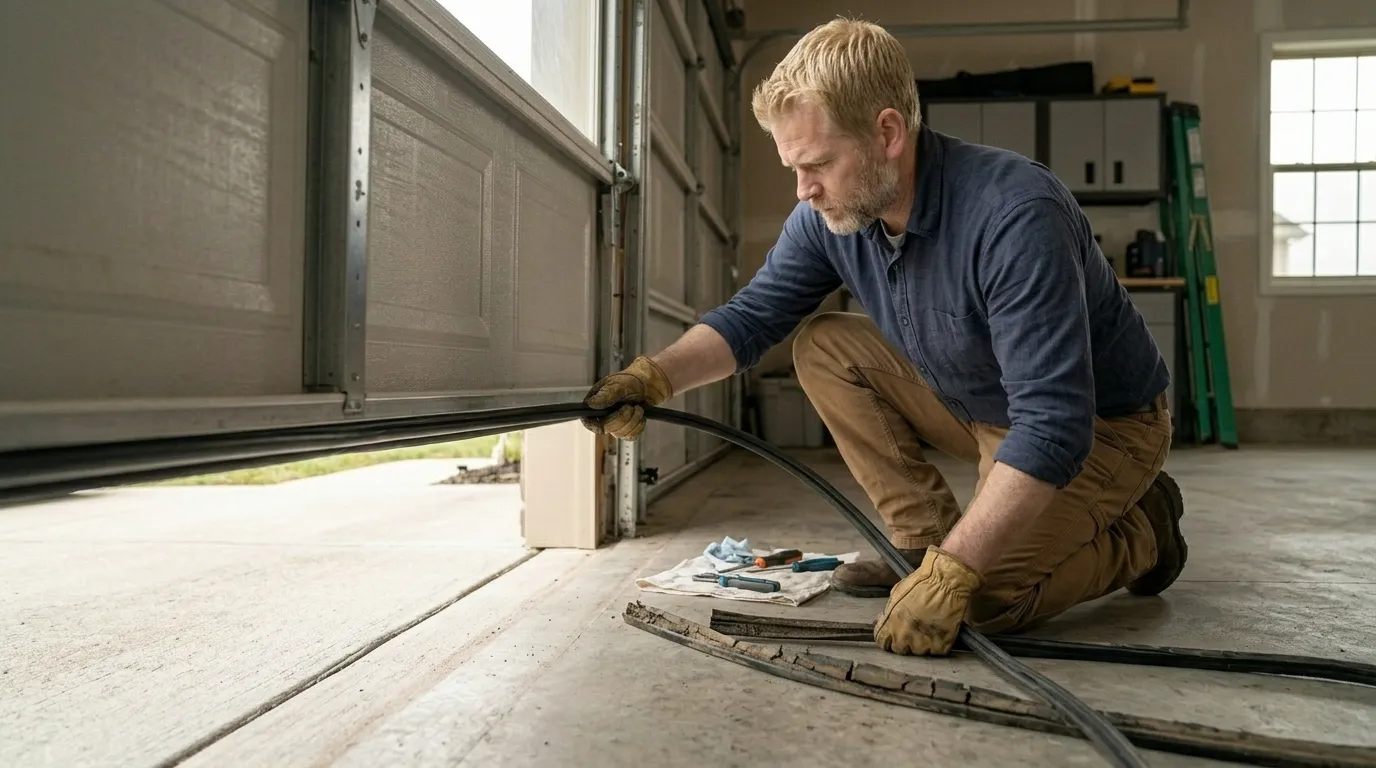
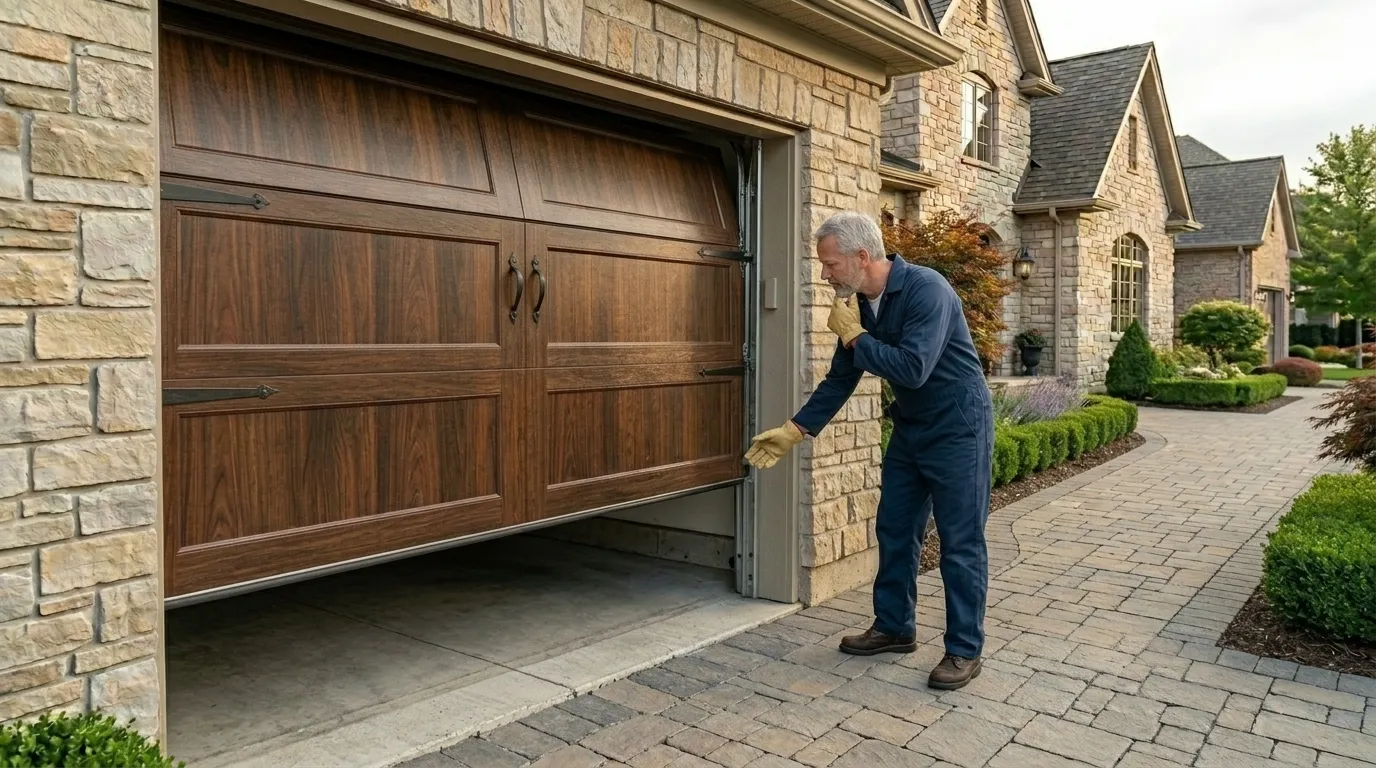
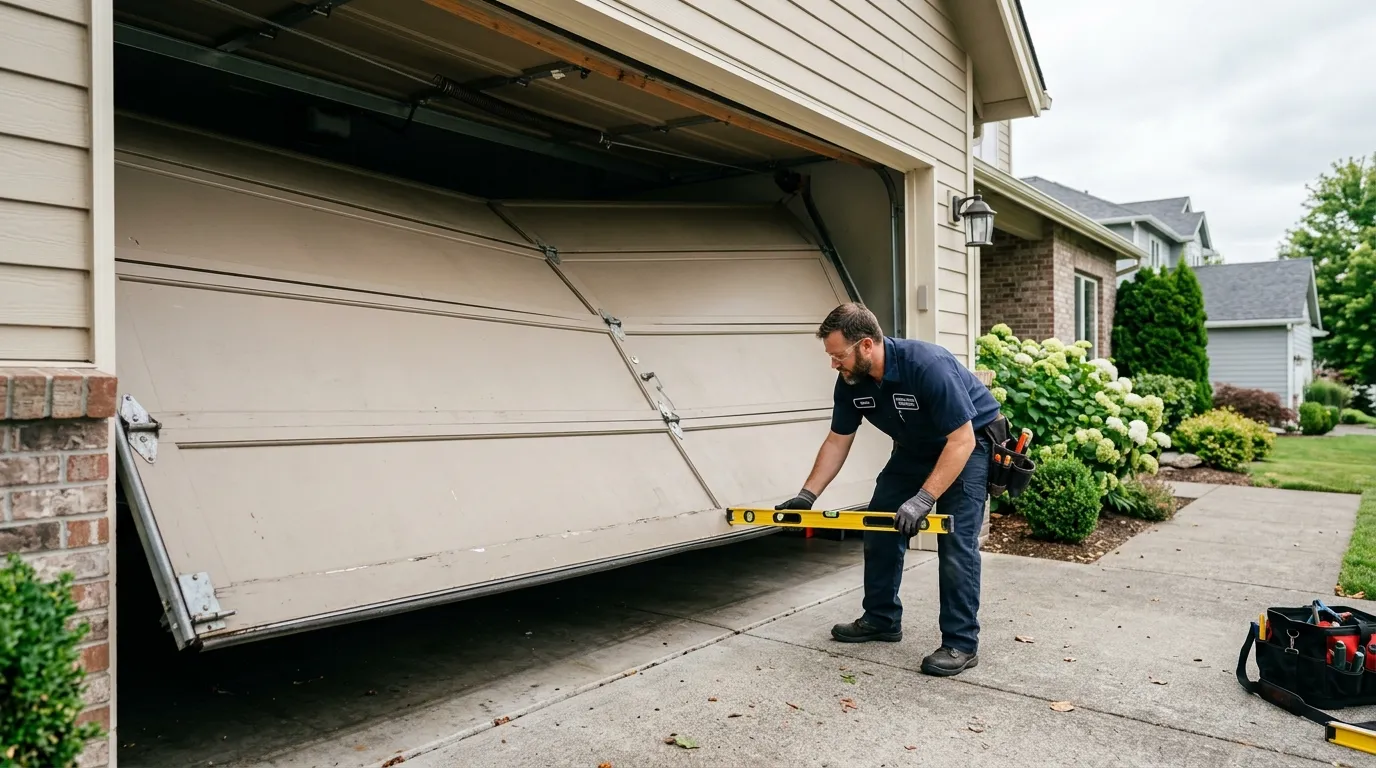
If you're shopping for a new garage door in Martinsburg, you're probably looking at one of two situations. Either the door on the house is original or close to it, and it's finally cracked, warped, or stopped sealing at the bottom, or you're building out a garage and need a door that actually holds up through a Martinsburg winter. Housing stock in this area runs from 1938 up through 2003, with the median build year sitting around 2001, and most of the five main pockets we work in are 2000s-era construction. That means a lot of the doors we're pulling off right now are the builder-grade units that went in when the house was framed - single-layer steel, minimal insulation, and hardware that was never sized for a region with a severe cold rating. When that door starts sagging on its track or the bottom seal turns brittle and cracks in January, it's not really a repair problem anymore. It's an installation problem wearing a repair costume. You're not fixing a door at that point - you're replacing one that was underbuilt for the climate it's sitting in.
What the Fix Involves
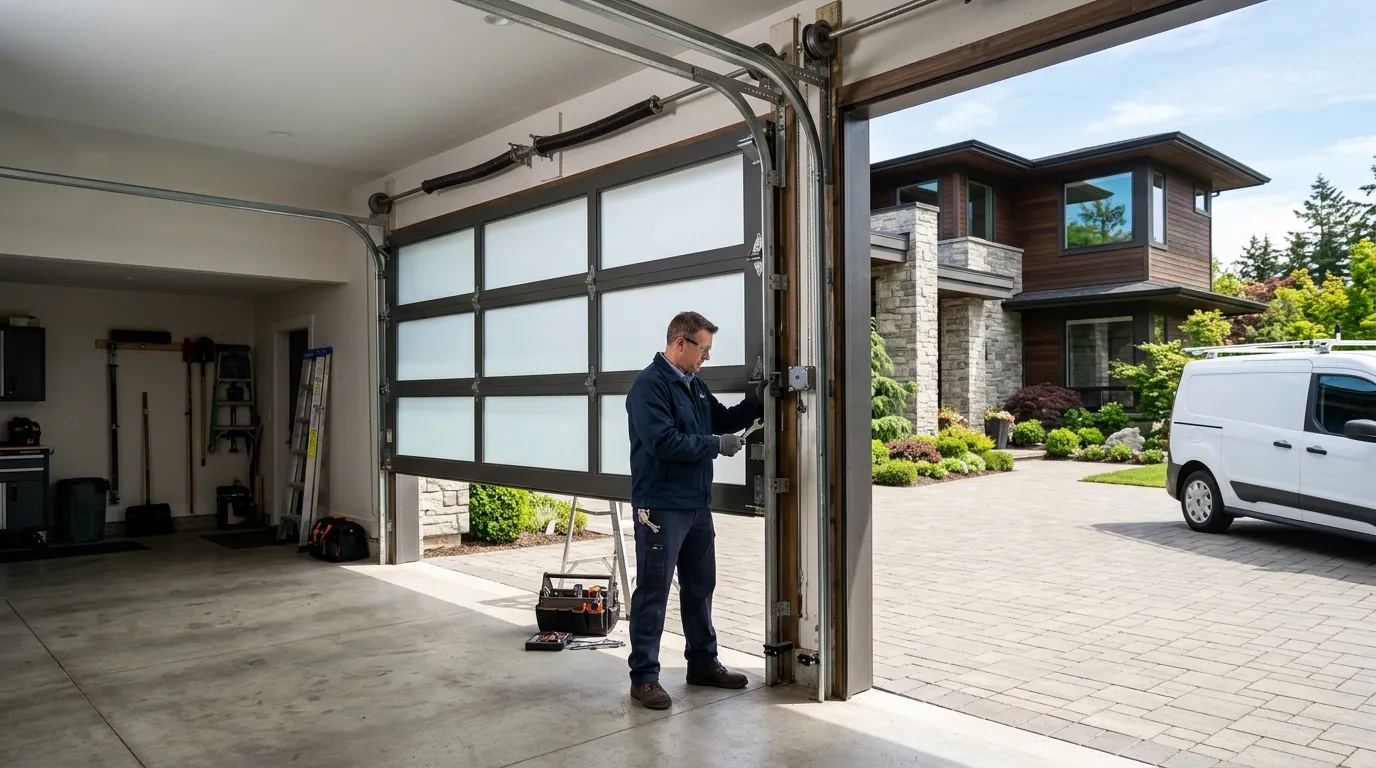
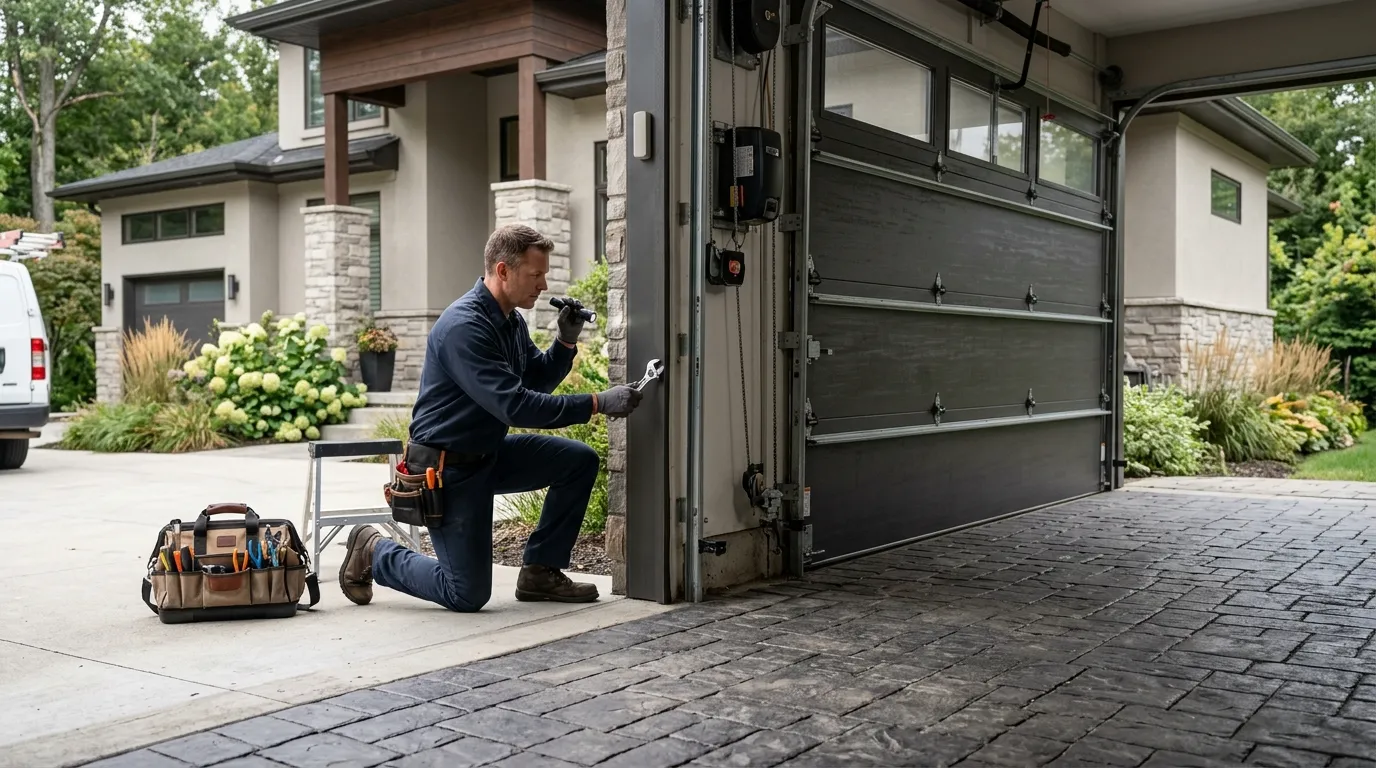
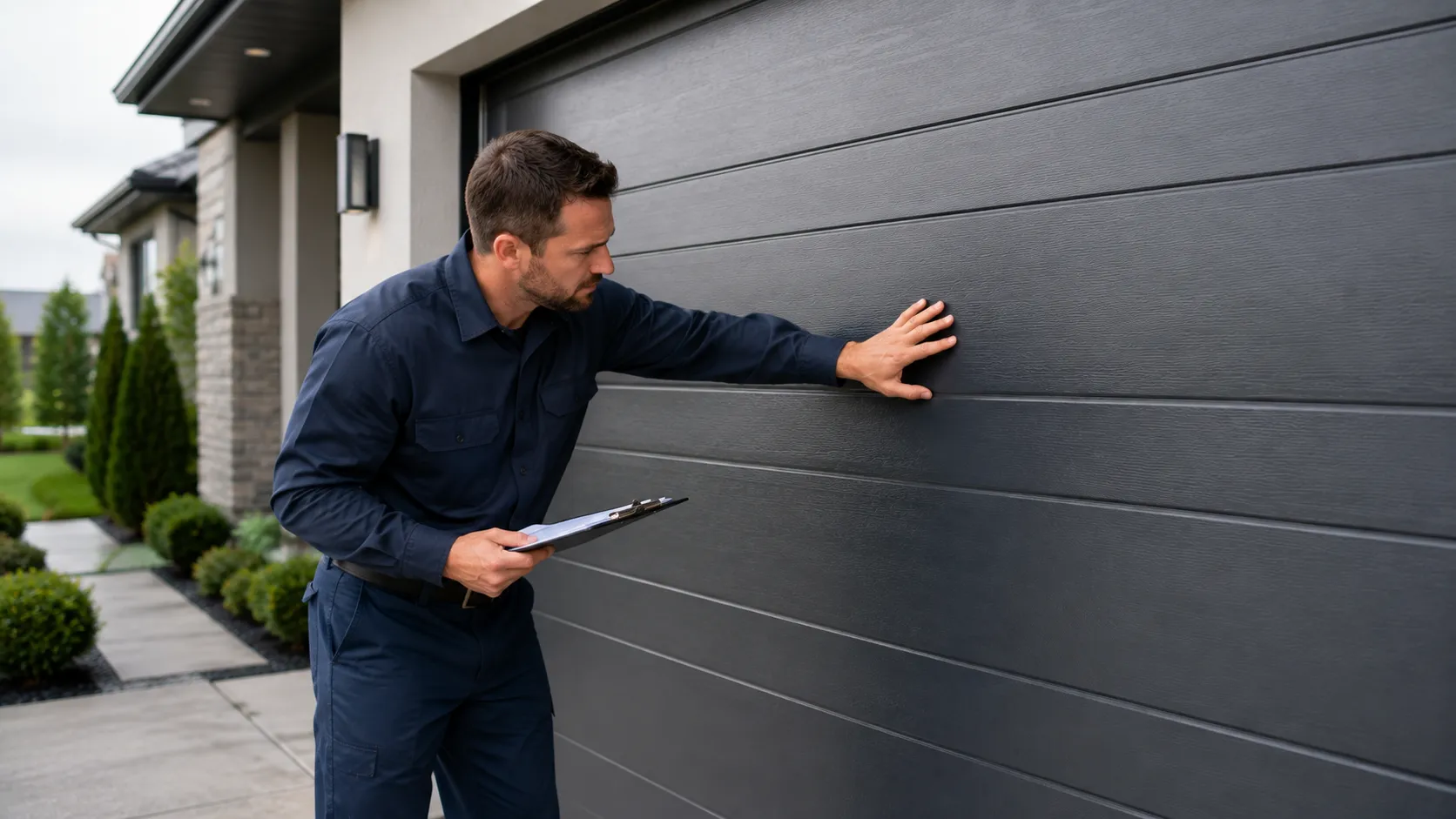
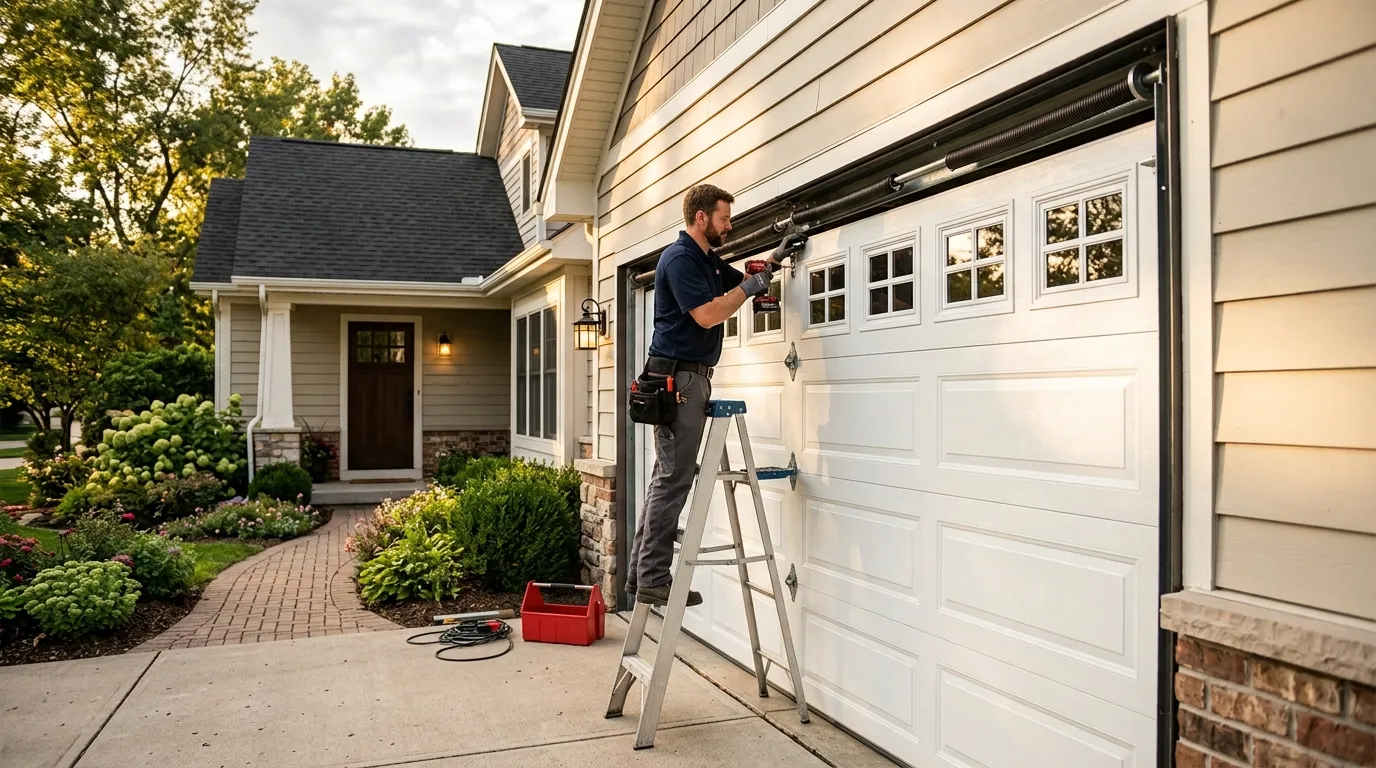
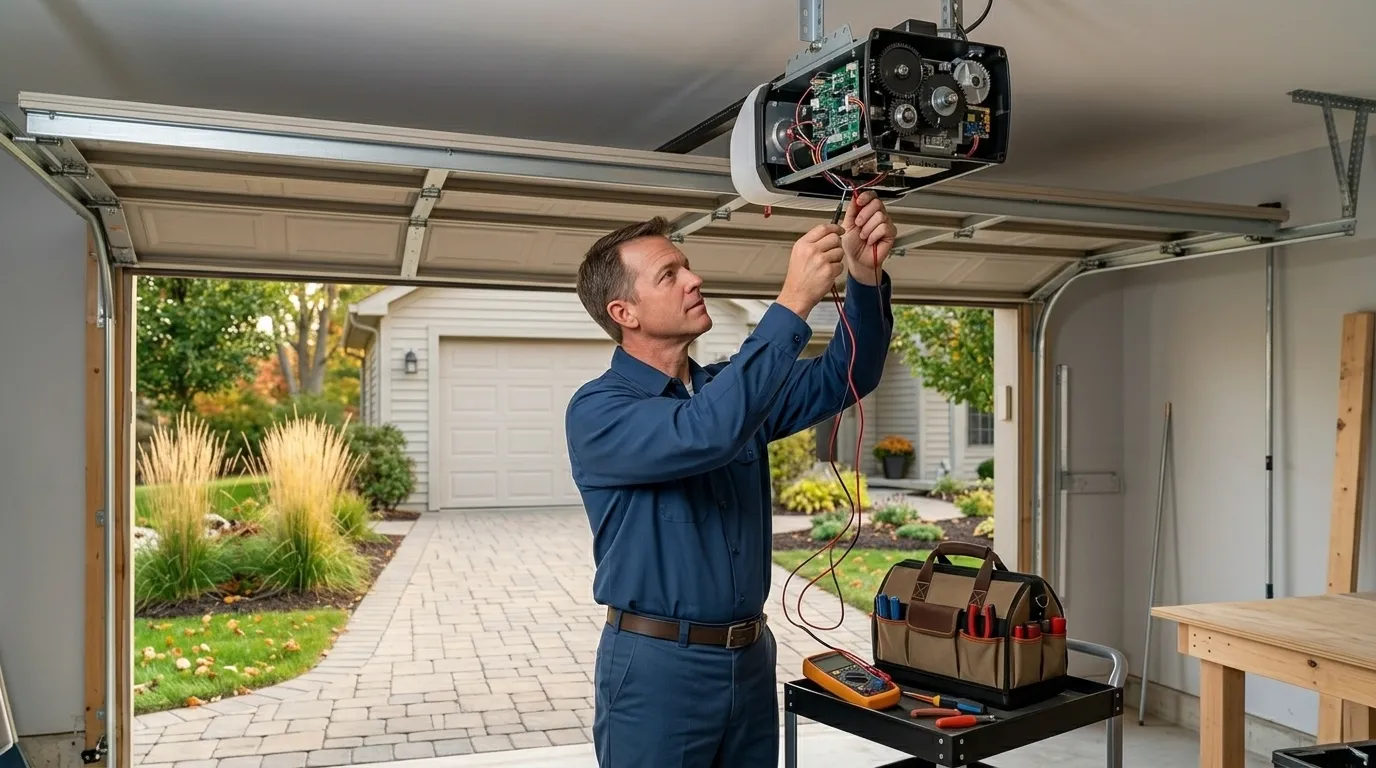
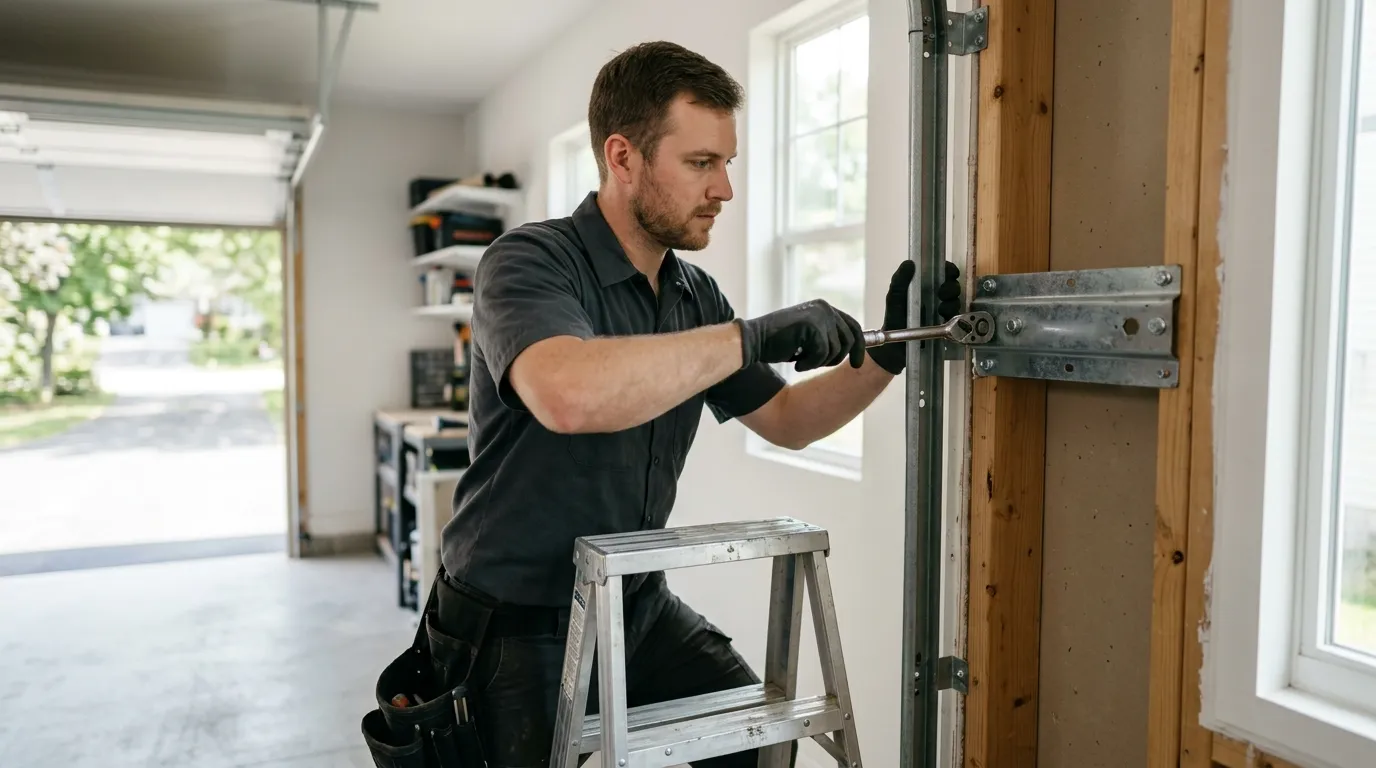
A proper install starts with the opening, not the door. On a lot of the older Martinsburg housing - anything closer to the 1938-1970s end of that build range - the framing has settled, and the rough opening isn't square anymore even if it looks fine from the driveway. We check that before anything gets ordered, because a door built to spec for a crooked opening will bind on the track within a year. Then it's about picking a door built for a cold-severe climate: insulated panels, a proper bottom seal that won't crack at low temperatures, and torsion spring hardware sized for the door's actual weight, not the cheapest spring that clears code. On newer 2000s-stock homes the opening is usually square and the wiring for an opener is already run, which cuts a step out of the job. Older houses sometimes need the header reinforced or the electrical brought up before the opener goes in. We tell you which situation you're in before we quote it, not after.
How Long You Are Without the Door
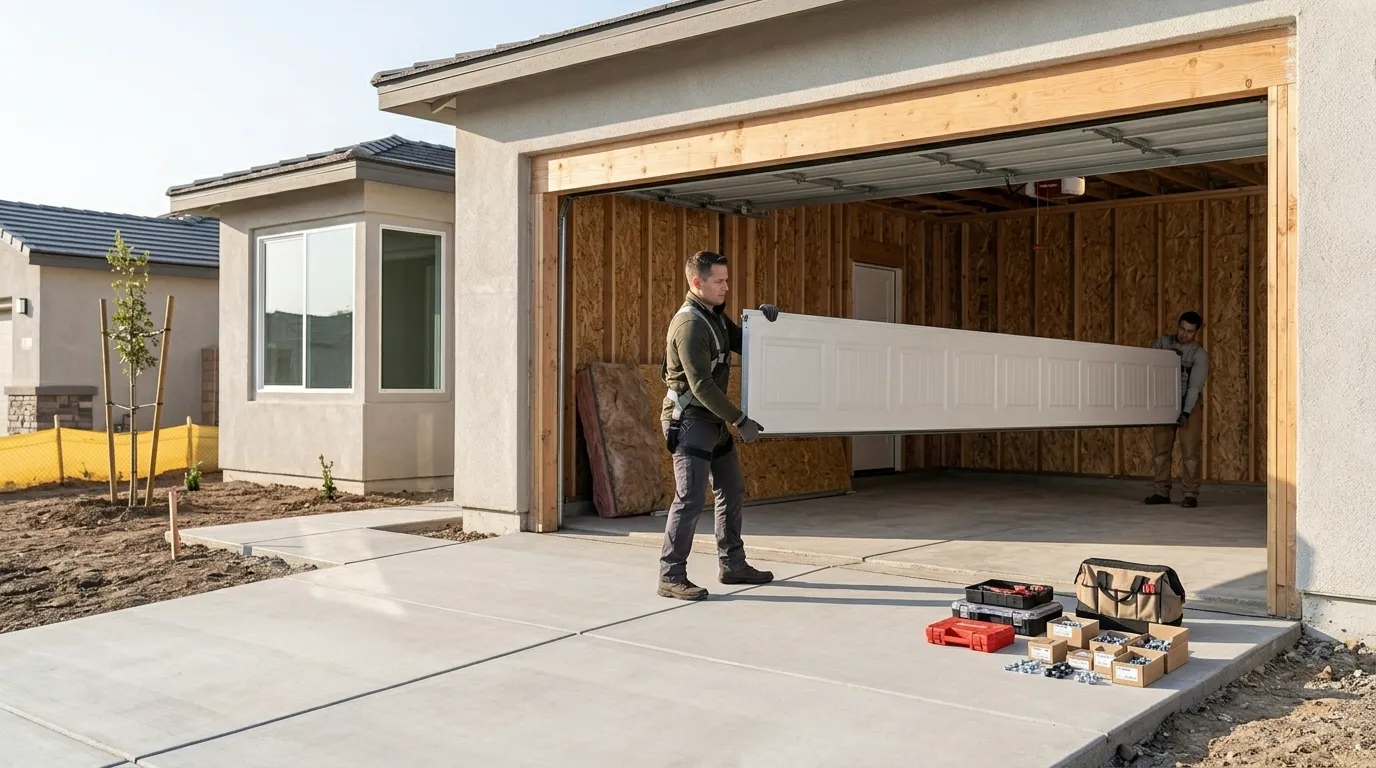
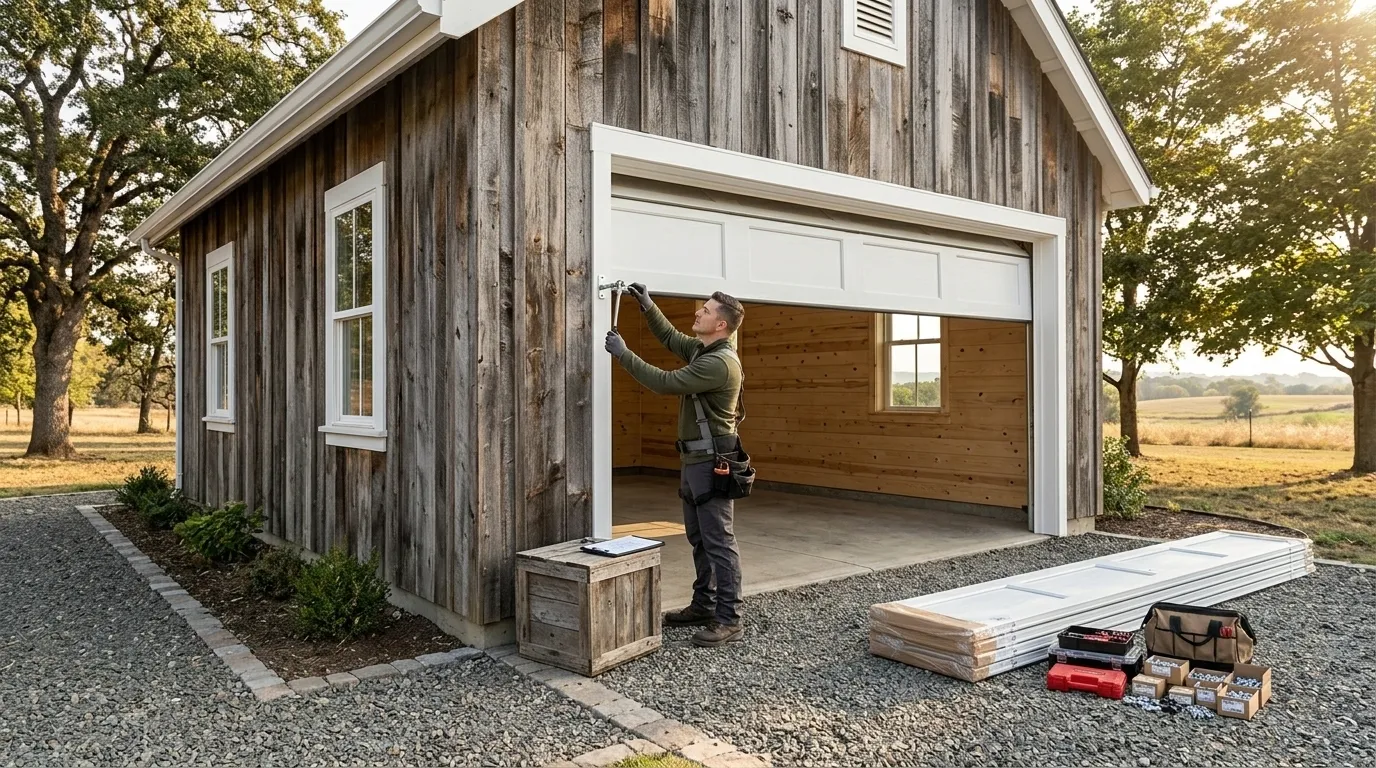
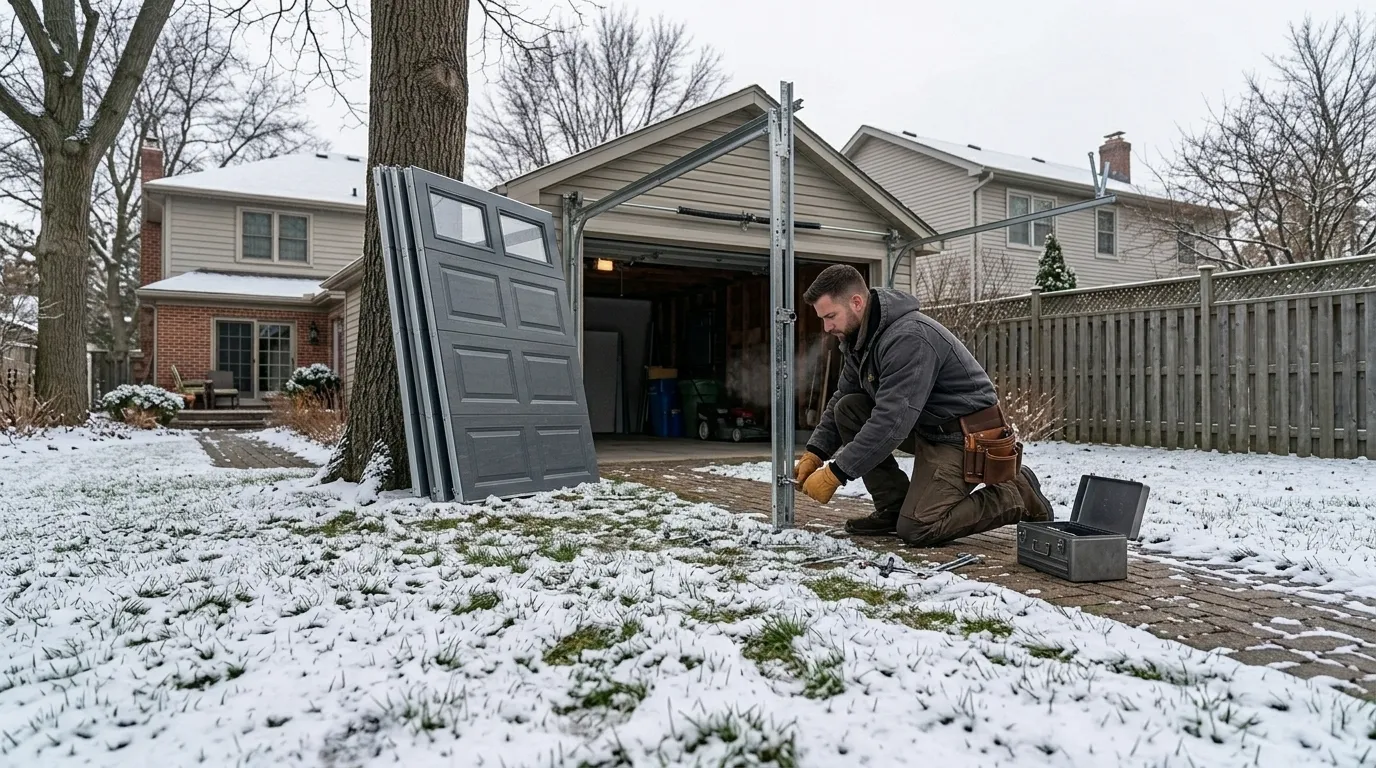
A straight swap - same size opening, door coming off, new insulated door going on with matching hardware - is a same-day job in most cases. Where it stretches out is when the opening needs framing work, which is more common on the older end of the 1938-2003 range, or when a specific insulated panel style has to come from the manufacturer instead of off our truck stock. We're straight with you about that lead time when we quote the job instead of finding out on install day. What we won't do is leave your garage open overnight in a cold-severe winter waiting on a part - if there's going to be a gap, we get a temporary panel or seal in place so the space is closed up until the real door arrives.
Why This Fails Locally
This isn't a generic wear-and-tear story. Martinsburg's housing spans built years from 1938 to 2003, with the newer end concentrated in five areas that are mostly 2000s construction, and every one of those eras got a door sized for the building code and climate expectations of the day it went in. A door installed for a mild-winter spec doesn't hold up under a cold-severe rating over enough seasons - the steel contracts, the seals harden, the torsion springs that were fine at 60 degrees start binding at 15. With 2,611 owner-occupied houses in the service area and a median household income around $87,632, most of what we install is a straightforward upgrade from that original builder door to something actually rated for the winters here, not a discount swap. Homeowners out toward Inwood, Falling Waters, and Shepherdstown are dealing with the same age and climate mismatch we see closer into town.
How it works
From “it’s stuck” to “it’s fixed”
1
Tell us what’s wrong
Describe the symptom - won’t open, loud bang, opener runs but the door won’t move.
2
On-site diagnosis
A technician tests the door under power and by hand and finds what actually failed.
3
Clear, up-front plan
You get the fix that’s needed and what drives the cost - before any work starts.
4
Repaired & tested
The repair is done, the door is set true and tested, and the work area left clean.
Next step
Serving Martinsburg, WV - tell us what your door’s doing and we’ll take it from there.
Do I need a new opener with a new door, or can I keep mine?
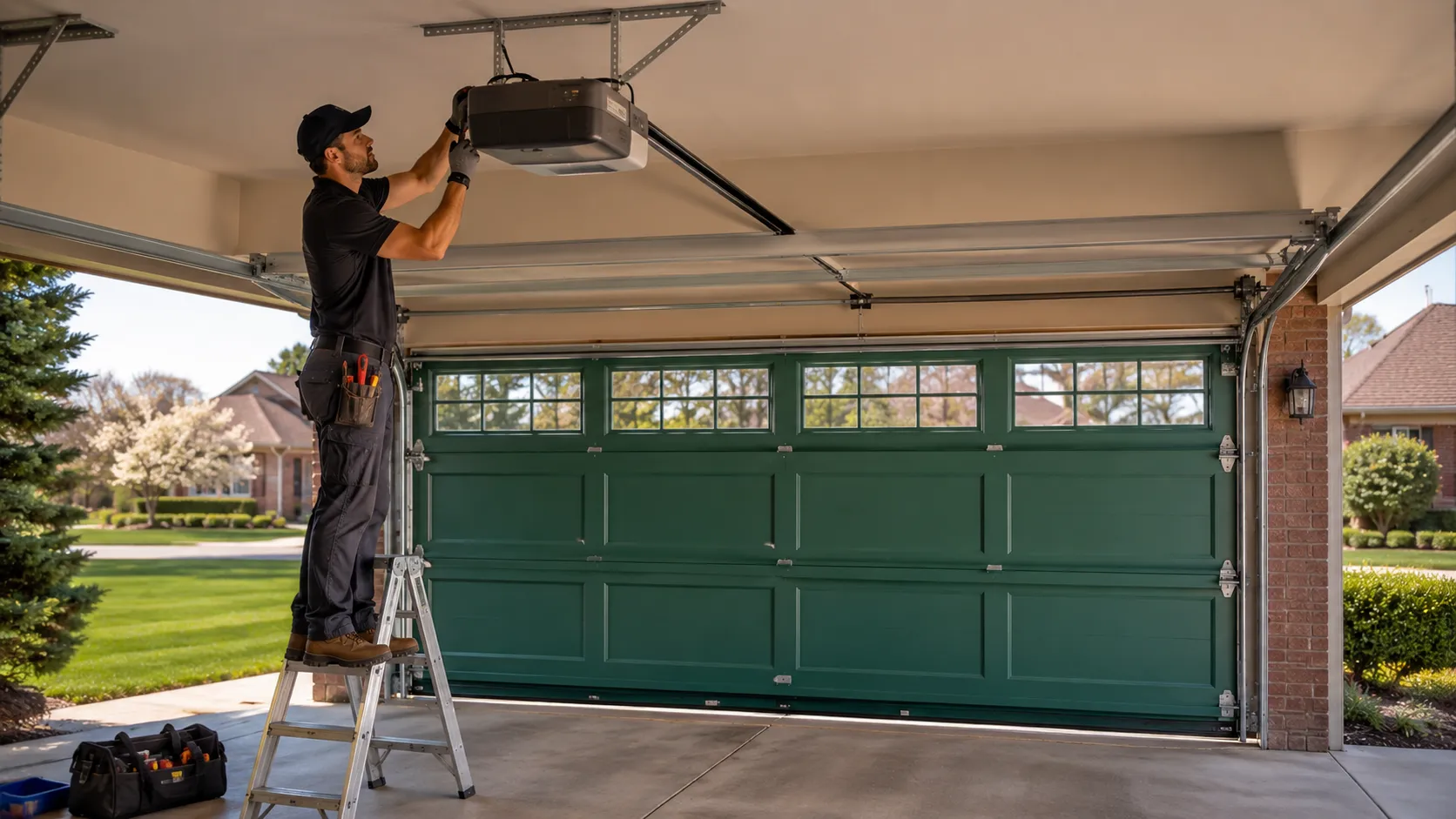
Depends on the opener's age and the weight of the new door. If your current opener is rated for the new door's weight and it's not near end of life, we can usually reuse it. If the new door is heavier - which is common when you go from a single-layer to an insulated panel - the opener may not have the lift capacity, and we'll tell you that before you buy.
Is my garage opening going to need extra framing work?
It's more likely on older houses in the 1938-1970s range where the framing has settled over the decades. Newer 2000s-built homes in the area usually have square openings with the electrical already run. We check the opening as part of the quote, so you know before the job starts, not after.
Why does the type of door matter for winter here?
This area carries a cold-severe climate rating, and a door built for a milder climate won't seal or hold its hardware tolerance the same way over time. An insulated panel with a proper bottom seal rated for the cold is the difference between a door that seats tight in January and one that whistles and drags.
Ready to get your garage door sorted?
Tell us what it’s doing and where you are in Martinsburg - we’ll take it from there.