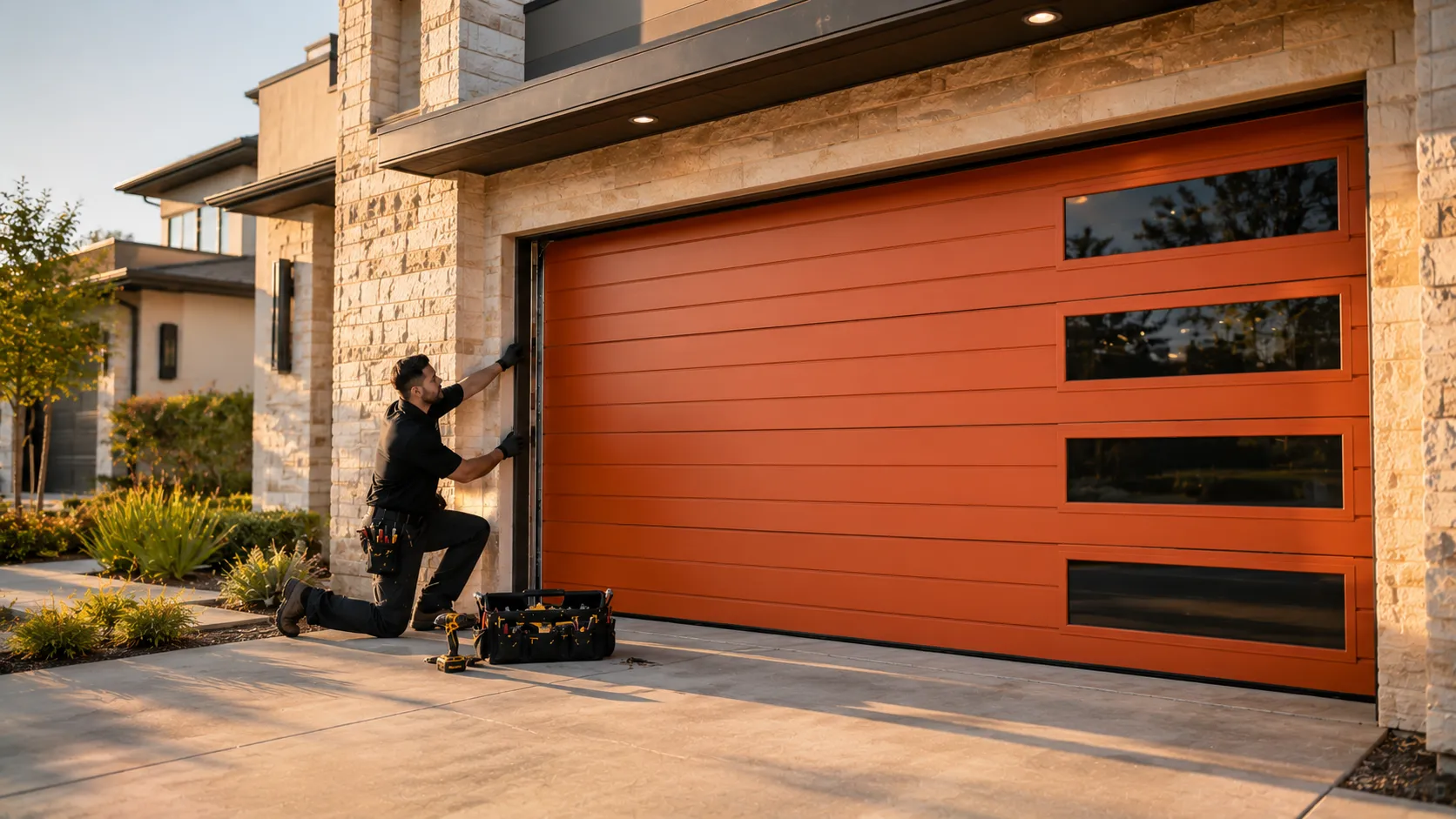
Inwood homes were mostly built around 2002, so the common failures are newer opener electronics and torsion springs, not old hardware. We drive out from Martinsburg for the fix.
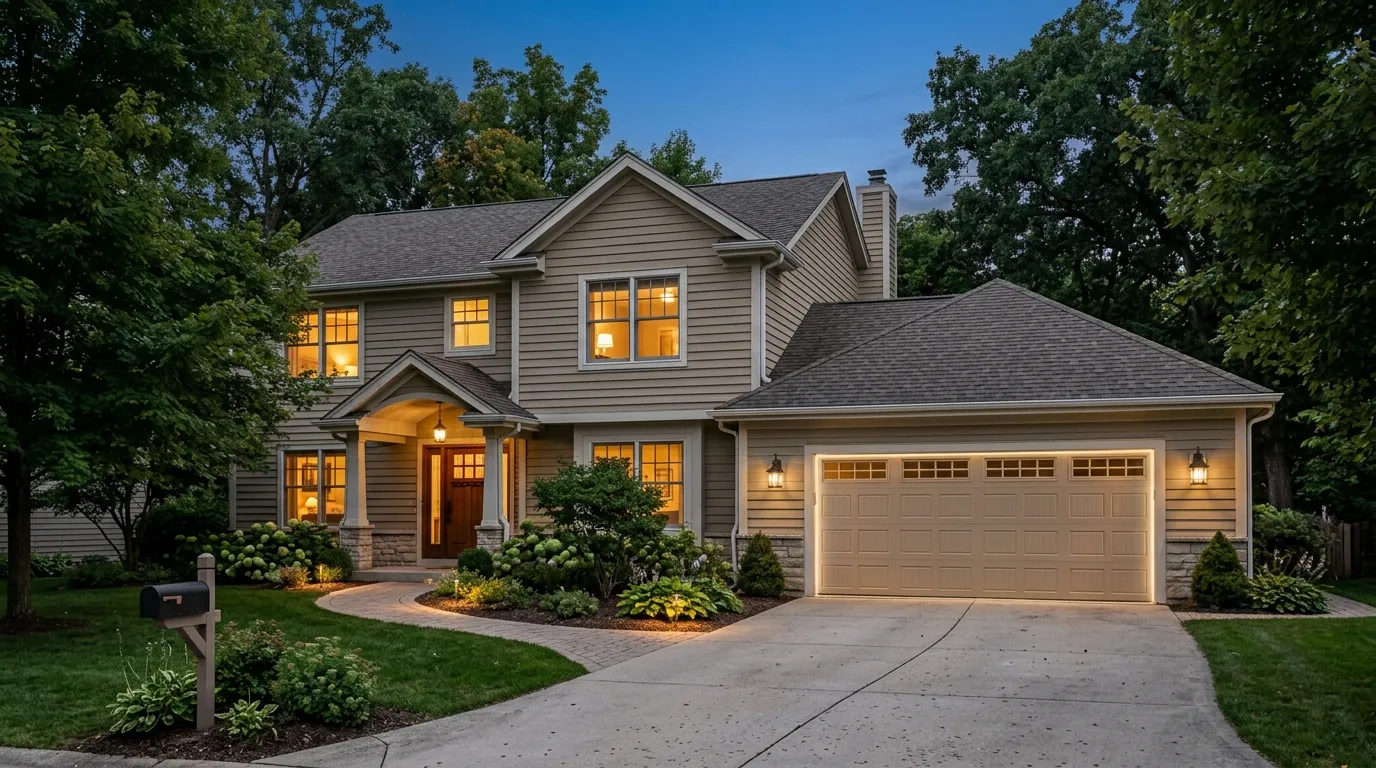
Inwood's houses are young compared to a lot of the county. The median build year here lands around 2002, which puts most garage doors in their late teens to low twenties in age - not ancient, but old enough that the first-generation opener boards and belt drives that came standard in that era are starting to fail. You're less likely to find a beat-up one-piece door on side hardware out here, and more likely to find a factory sectional steel door with a torsion spring setup and a mid-2000s chain or belt opener that's due for a logic board, a capacitor, or a full swap.
That matters because the fix is different. A house built in the 1970s usually needs spring and hardware work. A house built around 2002 usually needs opener repair, sensor alignment, or a spring that's simply worn out its rated cycle count after two decades of daily use. We size the job to the house we're actually looking at, not to a generic 'garage door repair' checklist.
One honest limit: if your opener board is a discontinued model from that early-2000s run, we may not be able to get an exact replacement part fast. Sometimes the straighter path is a new opener rather than chasing an obsolete board.
What We Do Most in This Area
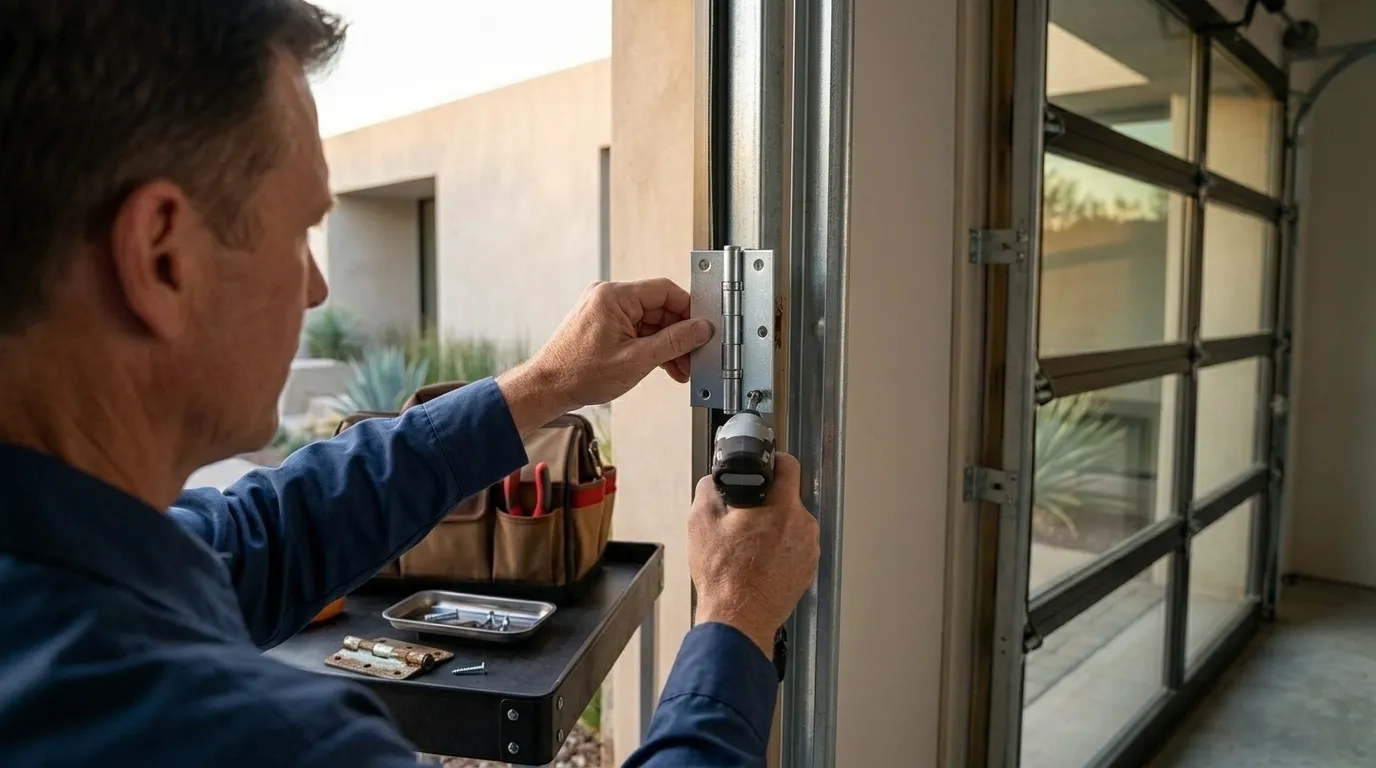
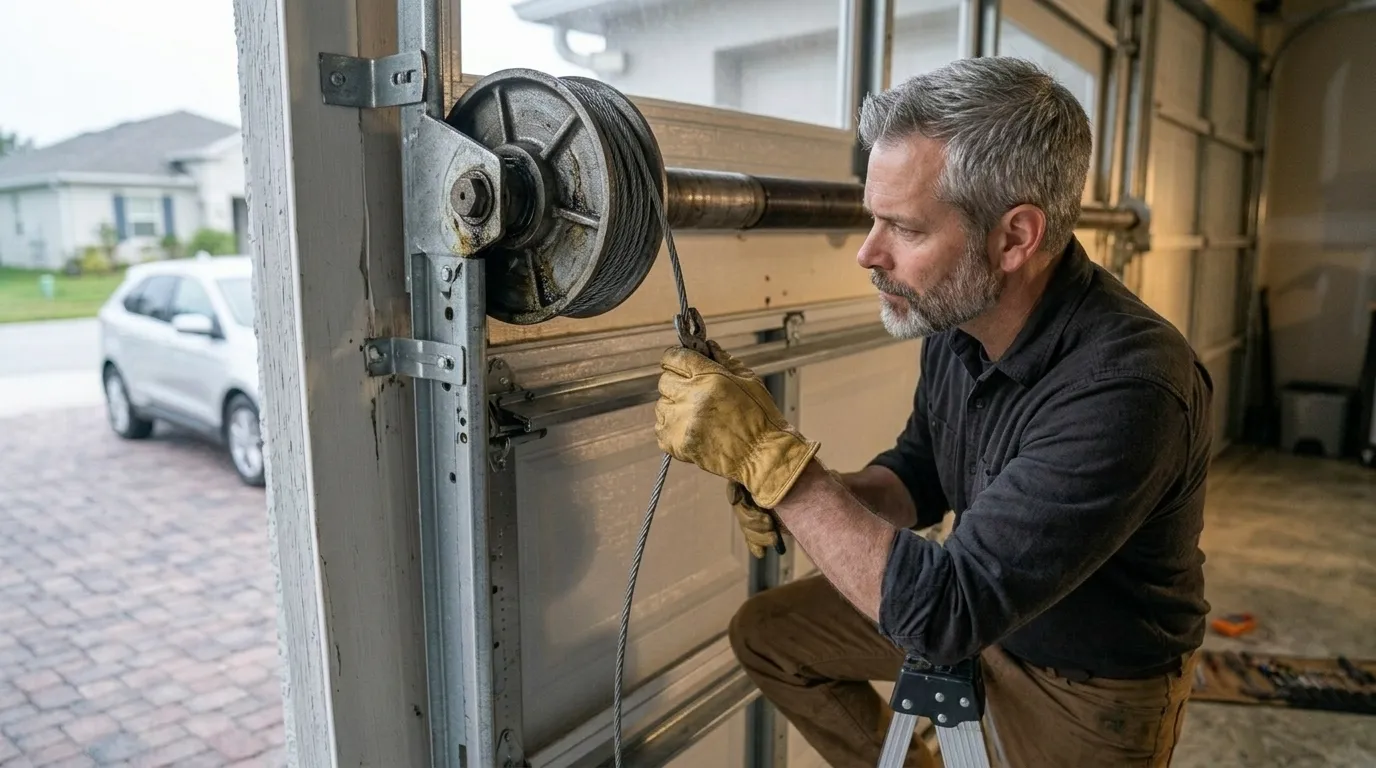
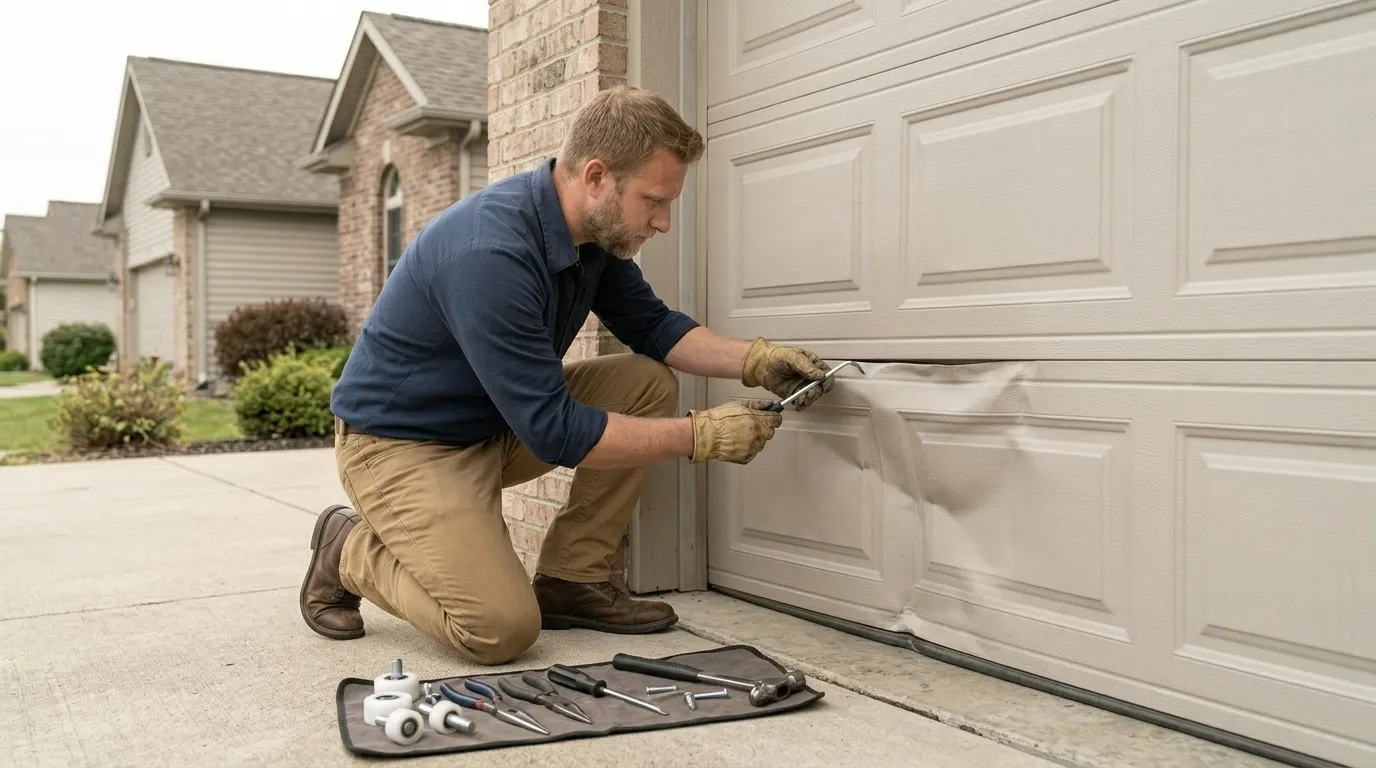
Given the age of the housing stock, the calls we run in Inwood skew toward torsion springs reaching the end of their cycle life, worn opener drive gears, and photo-eye sensors that have drifted out of alignment after years of the door being bumped by a car bumper or a stray hose. We also see a fair number of remote and keypad failures - the plastic housings from that build era get brittle and the boards inside corrode faster than newer sealed units.
We don't see much of the ancient-hardware work you'd expect in an older part of the county - no wood jambs rotted out from the inside, no obsolete extension spring drums that nobody stocks. Inwood's stock is new enough that most of what breaks is mechanical wear on parts that are still manufactured, which keeps repair a realistic option instead of a forced full replacement in most cases.
We travel to Inwood from our base in Martinsburg, about 8 miles up the road. We don't keep a truck stationed here, so we schedule the run rather than showing up same-hour on a walk-in basis.
The Houses Here
Inwood is a smaller pocket than some of the areas we cover - around 1,066 households, with a median income near $82,267. That income level tends to track with homeowners who bought a newer-build house and want it kept working rather than upgraded to a premium door; most of our Inwood calls are straightforward repair, not full replacement with insulated panels or custom finishes.
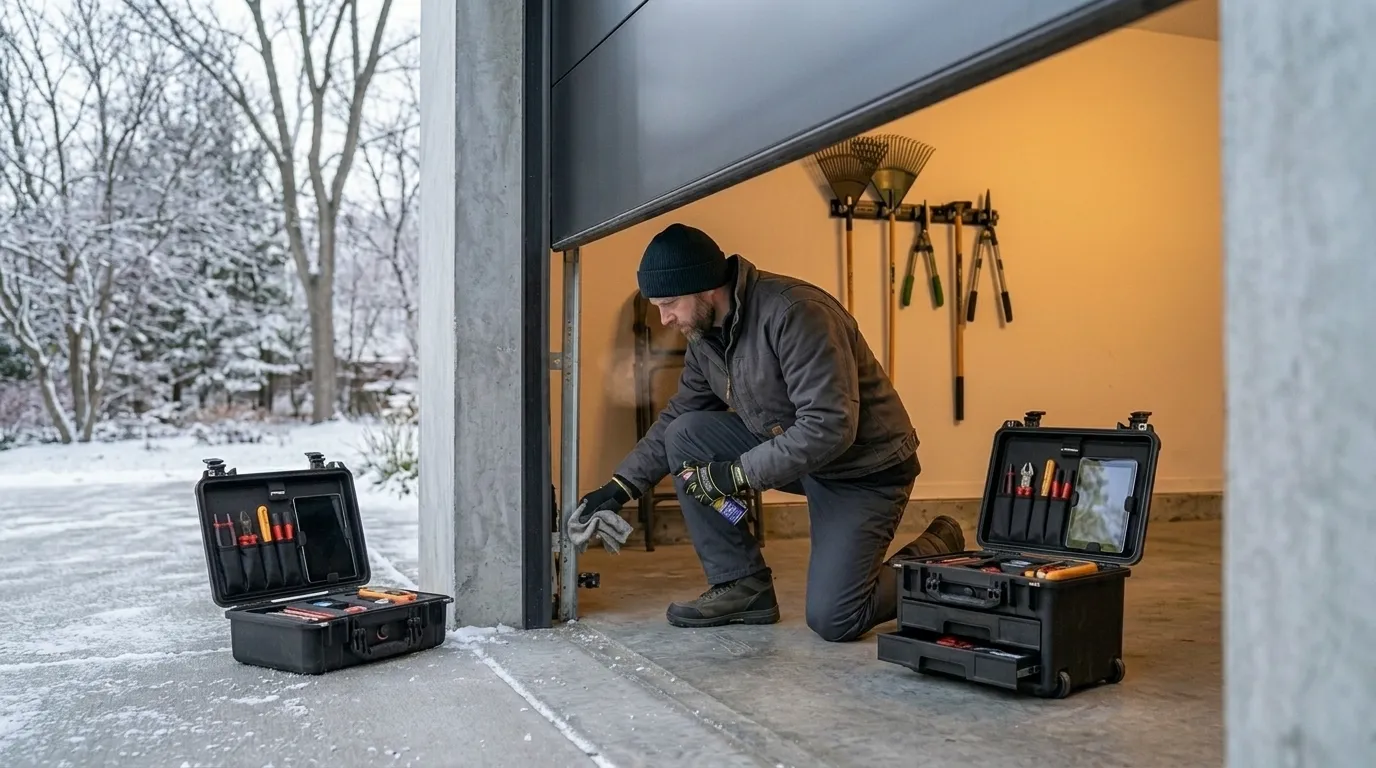
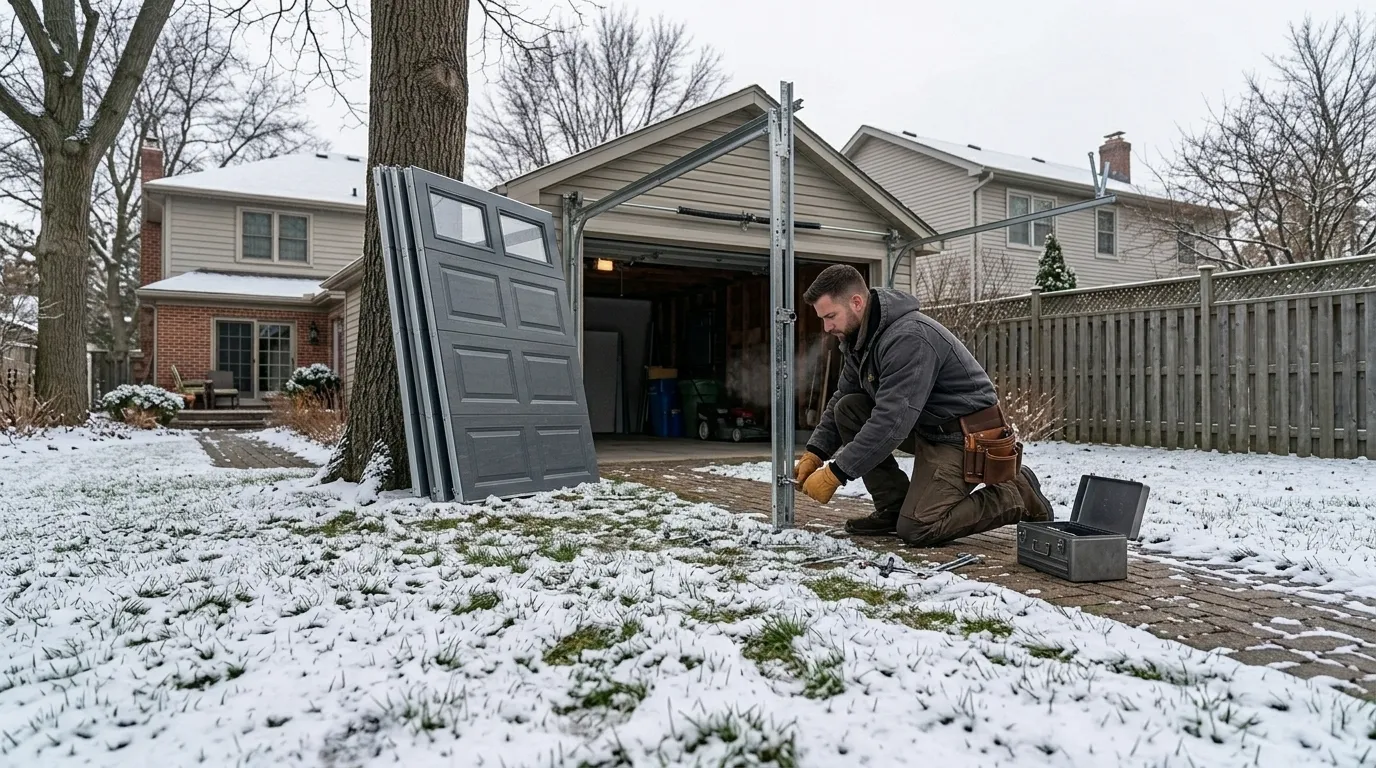
The area sits inside our region's cold-climate band, and cold matters more to a door than most people expect. Steel torsion springs lose a measurable amount of tension in sustained cold, and a spring that's already near the end of its rated life is the one that snaps on the first hard freeze of the season. That's true whether the house is from 1960 or 2002 - the difference is just which specific spring is already worn thin.
If you're weighing repair against replacement on a 2002-era door, the door itself is often fine; it's the spring, the opener, or the weatherstripping around the panel that's failed. Replacing the whole door on a house this age is rarely the right call unless the panels themselves are dented or rusted through.
The Calls We Get From Here
The most common call from Inwood is a torsion spring that's snapped or gone slack - usually on a door original to a house built in the early 2000s, which puts the spring right around the point where daily-cycle wear catches up with it. Second most common is an opener that runs but won't respond to the remote or keypad, which traces back more often to a failing board than to the motor itself.
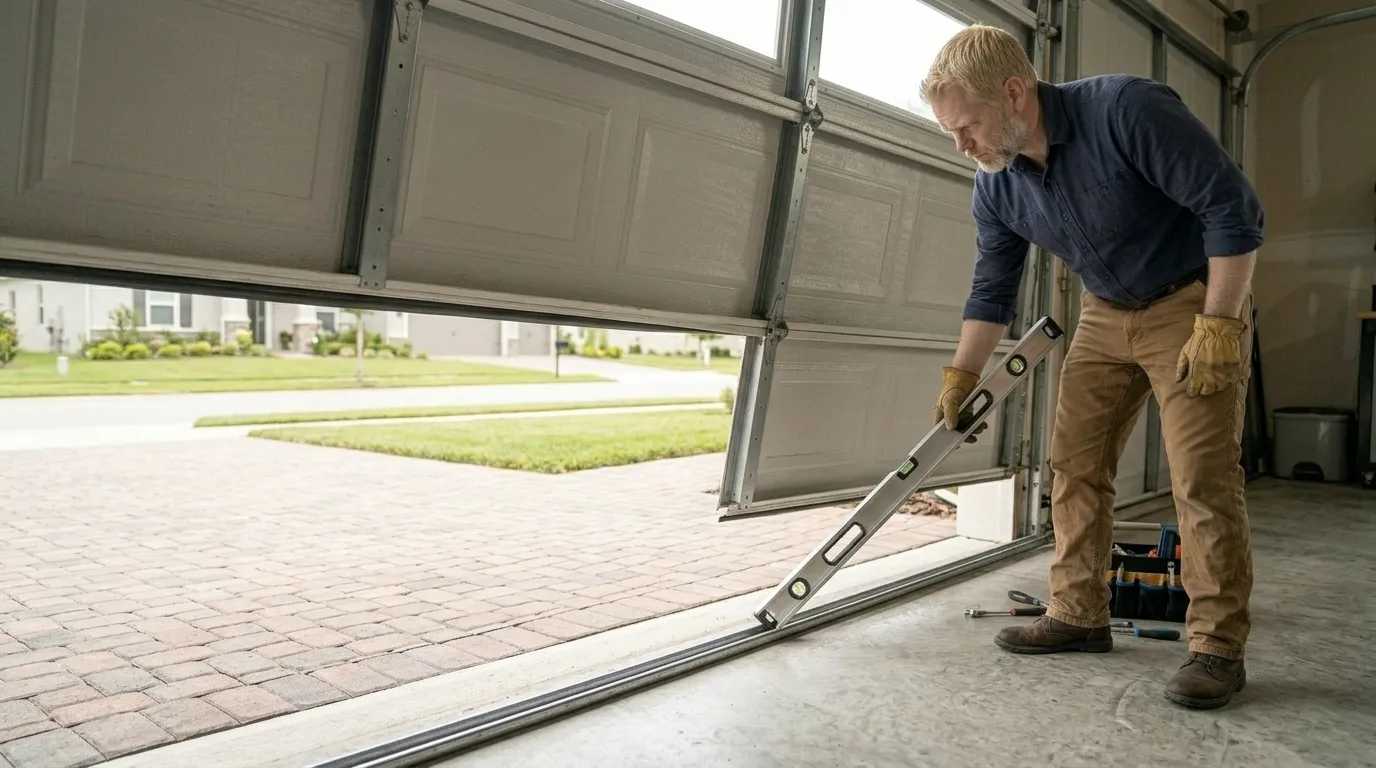
We also get calls about a door that reverses immediately after closing - nine times out of ten that's a photo-eye sensor knocked slightly out of alignment, an easy fix once we're on site, but hard to diagnose correctly over the phone.
Winter brings its own pattern here: cold snaps are when the marginal spring finally lets go, so late-season calls cluster around spring replacement more than any other single repair. If your door has felt heavier to lift by hand over the past few months, that's usually the spring telling you it's close to done, and it's worth a call before it fails on its own schedule instead of yours.
How it works
From “it’s stuck” to “it’s fixed”
1
Tell us what’s wrong
Describe the symptom - won’t open, loud bang, opener runs but the door won’t move.
2
On-site diagnosis
A technician tests the door under power and by hand and finds what actually failed.
3
Clear, up-front plan
You get the fix that’s needed and what drives the cost - before any work starts.
4
Repaired & tested
The repair is done, the door is set true and tested, and the work area left clean.
Next step
Serving Martinsburg, WV - tell us what your door’s doing and we’ll take it from there.
Are Inwood garage doors newer than the rest of the area you cover?
Generally yes. Inwood's housing runs mostly around a 2002 median build year, newer than a lot of the county. That means more opener-electronics and worn-spring calls, fewer jobs involving old side-mounted hardware or extension springs from mid-century construction.
Do you have a truck stationed in Inwood?
No. We're based in Martinsburg, about 8 miles away, and we schedule the drive out rather than keeping equipment stationed in Inwood. Same-day availability depends on our route that day, not a local depot.
Why did my spring snap in the winter with no warning?
Steel torsion springs lose tension in sustained cold, and a spring that's already near the end of its cycle life is the one most likely to give out on the season's first hard freeze. It's rarely truly sudden - the spring was already close to failing.
Is it worth replacing the whole door if it's from around 2002?
Usually not, unless the panels are dented, rusted, or the door's been hit. Most Inwood calls we run on doors this age are spring, opener board, or sensor repairs - the door itself is typically still sound.
Ready to get your garage door sorted?
Tell us what it’s doing and where you are in Martinsburg - we’ll take it from there.