Harpers Ferry sits apart from the rest of our coverage area in one specific way: the homes here skew a lot older. Where the broader service area has a median build year of 2001 with housing dating back to 1938, Harpers Ferry itself carries a median build year of 1938 - meaning half the doors we'd find on a typical street here are original to houses built before the interstate highway system existed. That's not a garage built with a modern 16-inch torsion drum and a 1/3 horsepower opener rated for a insulated steel panel door. That's often a lighter, single-layer door on hardware nobody has manufactured in decades. If you're calling about a spring that let go or a track that's pulled away from the jamb, we come expecting older gauge steel and non-standard spring winding, not a big-box replacement part.
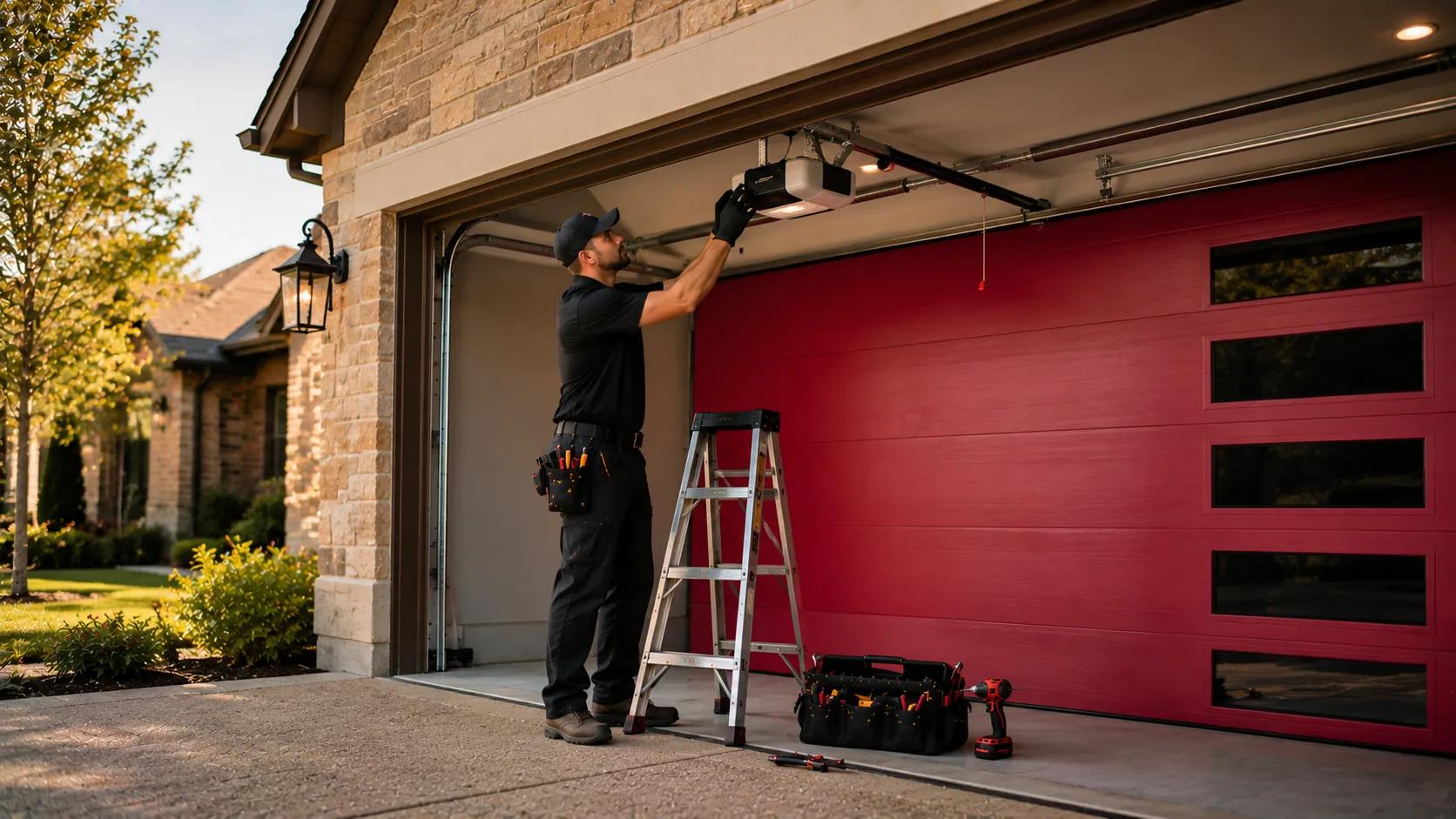
This matters for cost and timeline both. A part swap on a 2001-built door in the rest of our territory is usually a shelf item. A part swap on a 1938-era door in Harpers Ferry sometimes means we're adapting a modern part to fit old brackets, or telling you honestly that patching it isn't worth what full replacement costs. We'd rather say that up front than have you pay twice.
What We Do Most in This Area
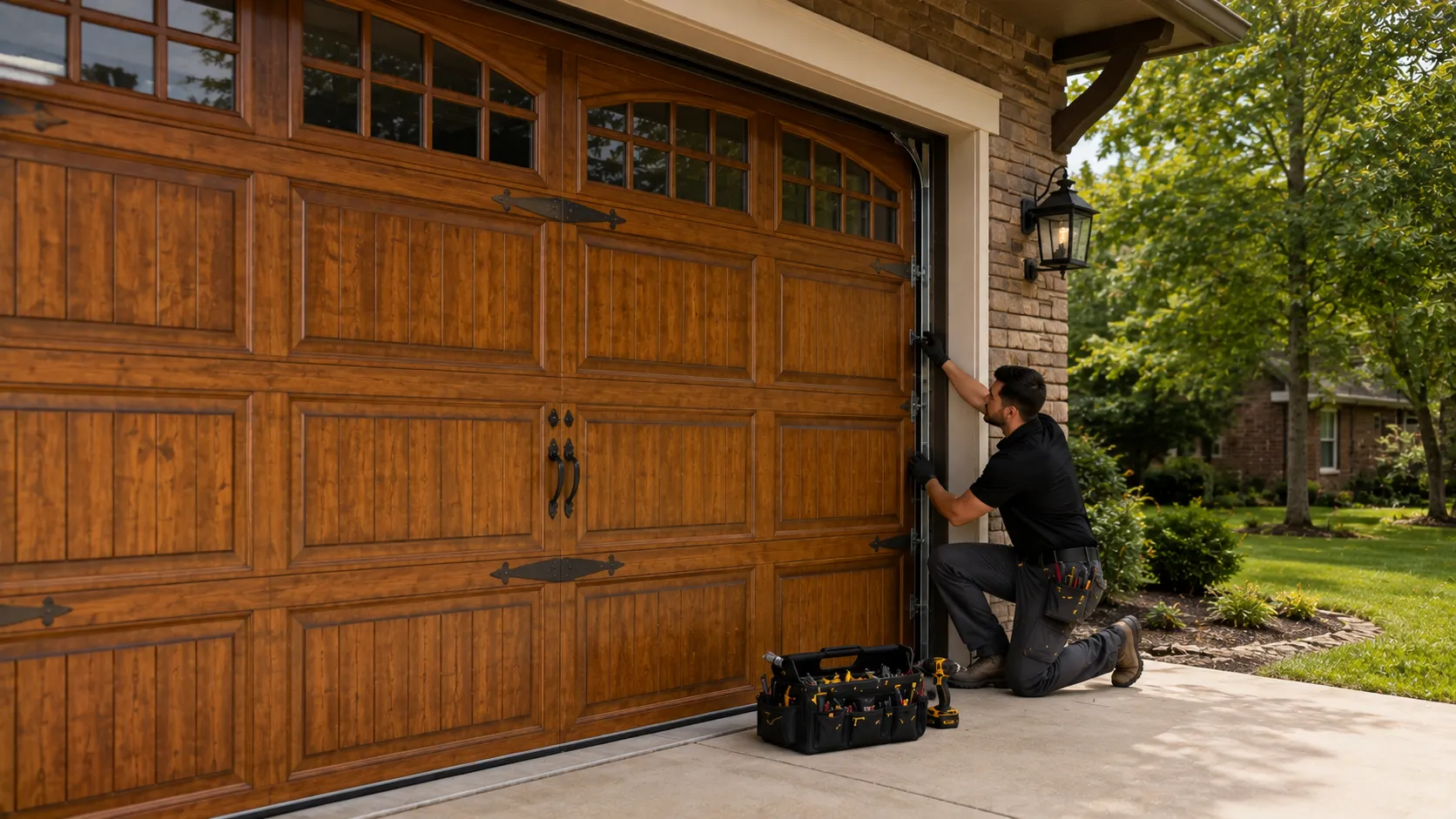
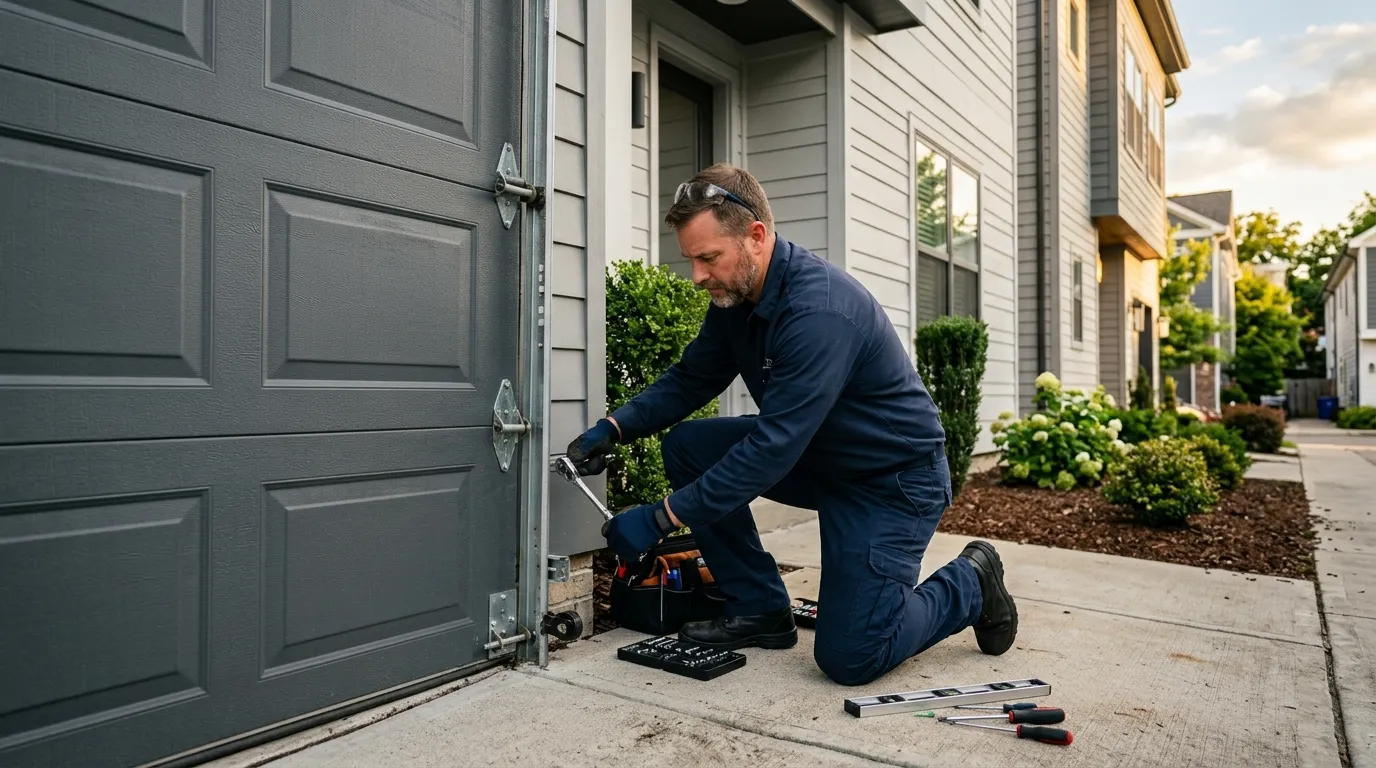
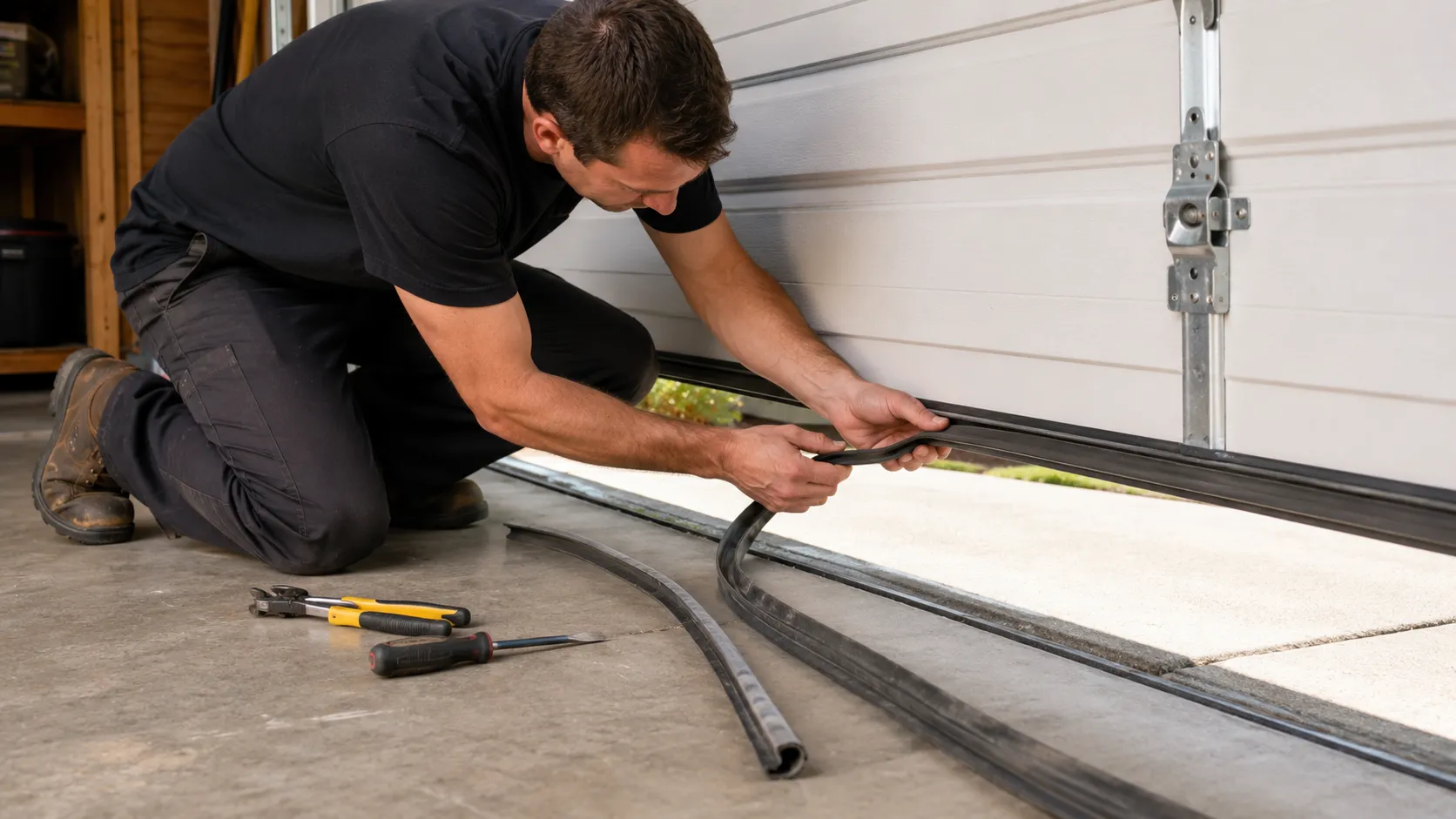
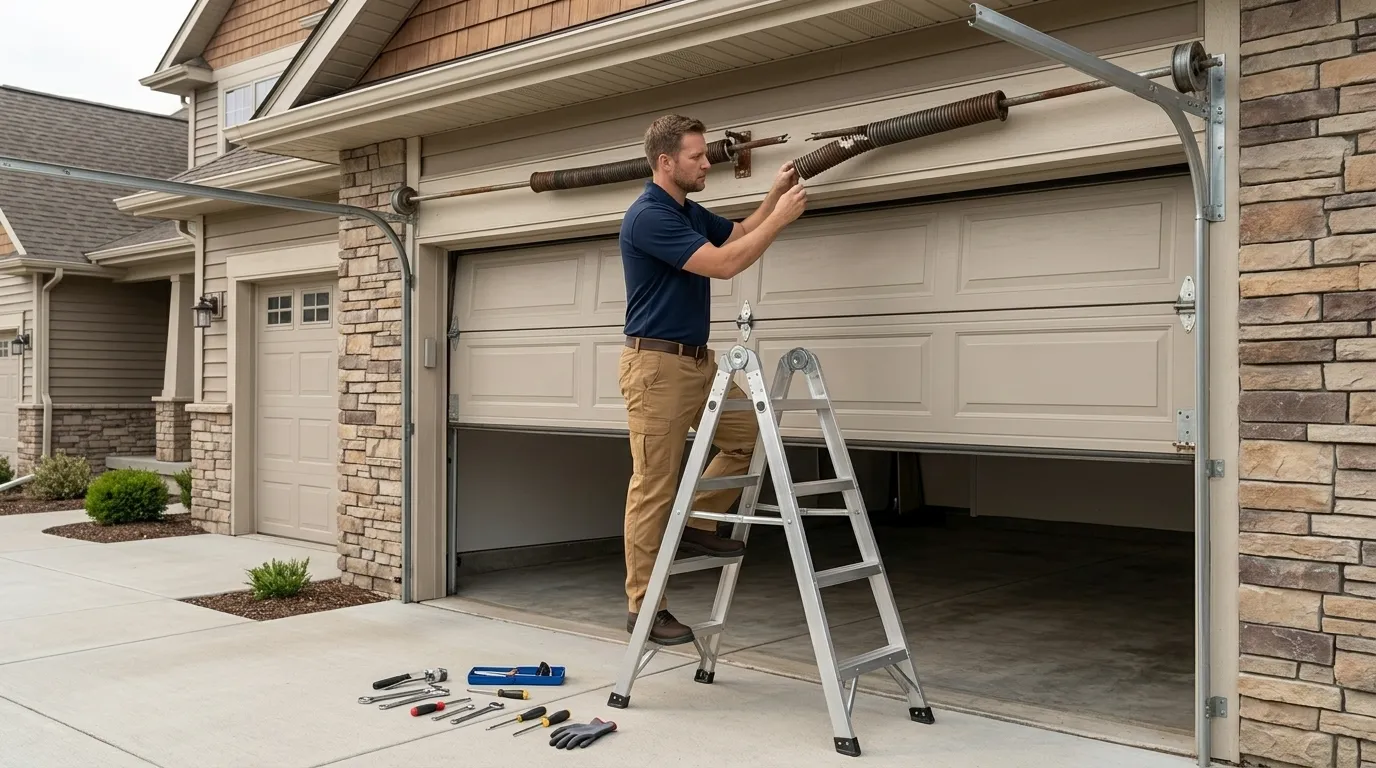
Given the age of the housing, most of what we get called for here isn't opener electronics - it's mechanical failure on hardware that's been in service far longer than it was ever designed for. Torsion springs that were never resized when a heavier door replaced a lighter one. Rollers worn oval instead of round. Cables frayed at the drum from decades of small misalignments nobody noticed until the day the door wouldn't lift.
Harpers Ferry falls in the same severe cold climate band as the rest of our coverage, so winter is when older springs here fail hardest - cold steel is less forgiving of fatigue that's already built up over 80-plus years of use. We travel from Martinsburg to reach Harpers Ferry, about 16 miles, so we plan the trip around the job, not around a same-day promise we can't back up for a call this far out.
The Houses Here
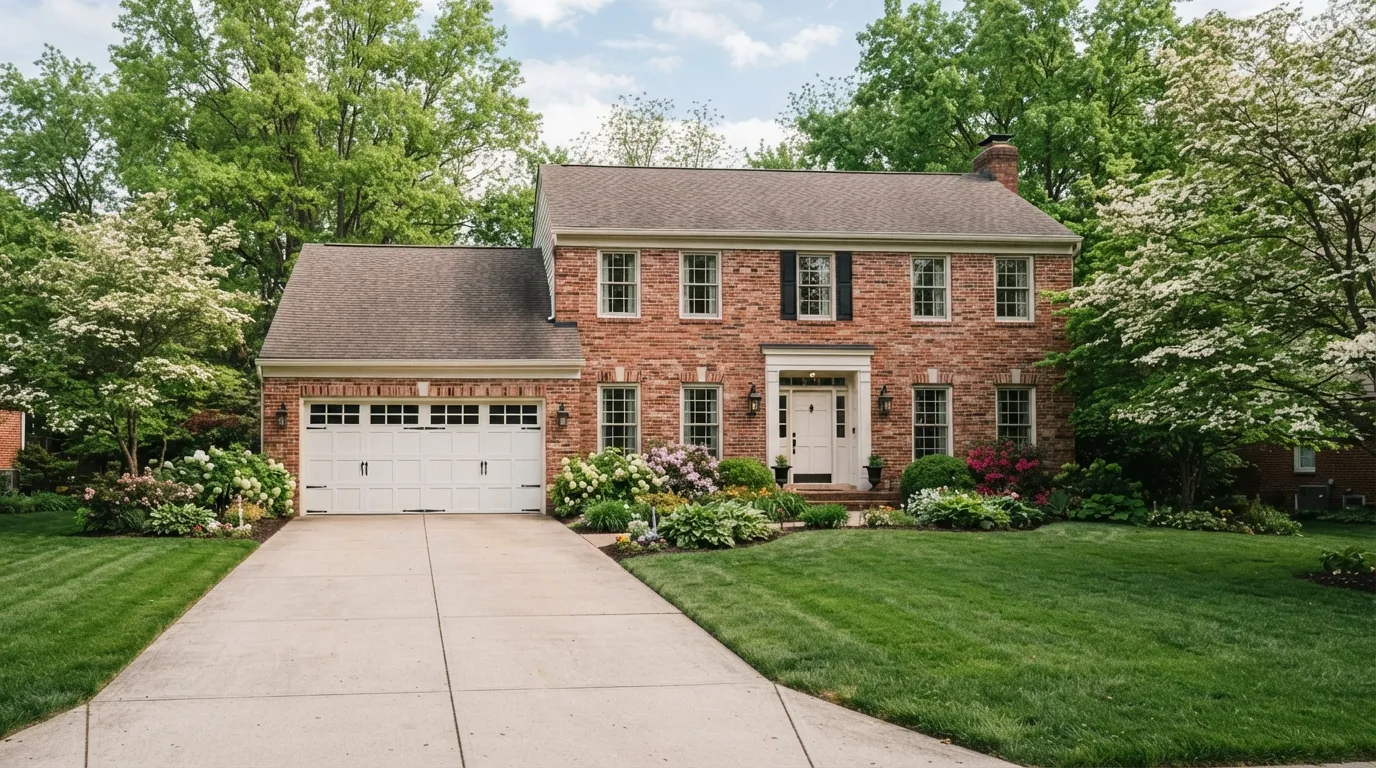
With a median build year of 1938, Harpers Ferry is one of the older pockets in our whole coverage area - well ahead of the 2001 median we see across the wider service territory. That gap shows up in the driveway before we even get to the garage: narrower single-car openings, doors mounted with side hardware instead of the overhead torsion setups that came standard after the 1970s, and headroom that wasn't built with today's opener rail systems in mind.
Harpers Ferry is also a small area by household count - about 150 households, a fraction of the roughly 4,800 across our full coverage territory - and household income here runs higher, at a median around $111,600 versus roughly $87,600 area-wide. Higher income paired with older housing usually means owners who'll pay for a correct fix rather than a patch, which lines up with what we generally recommend on doors this old anyway: fix what can be safely fixed, replace what can't.
The Calls We Get From Here
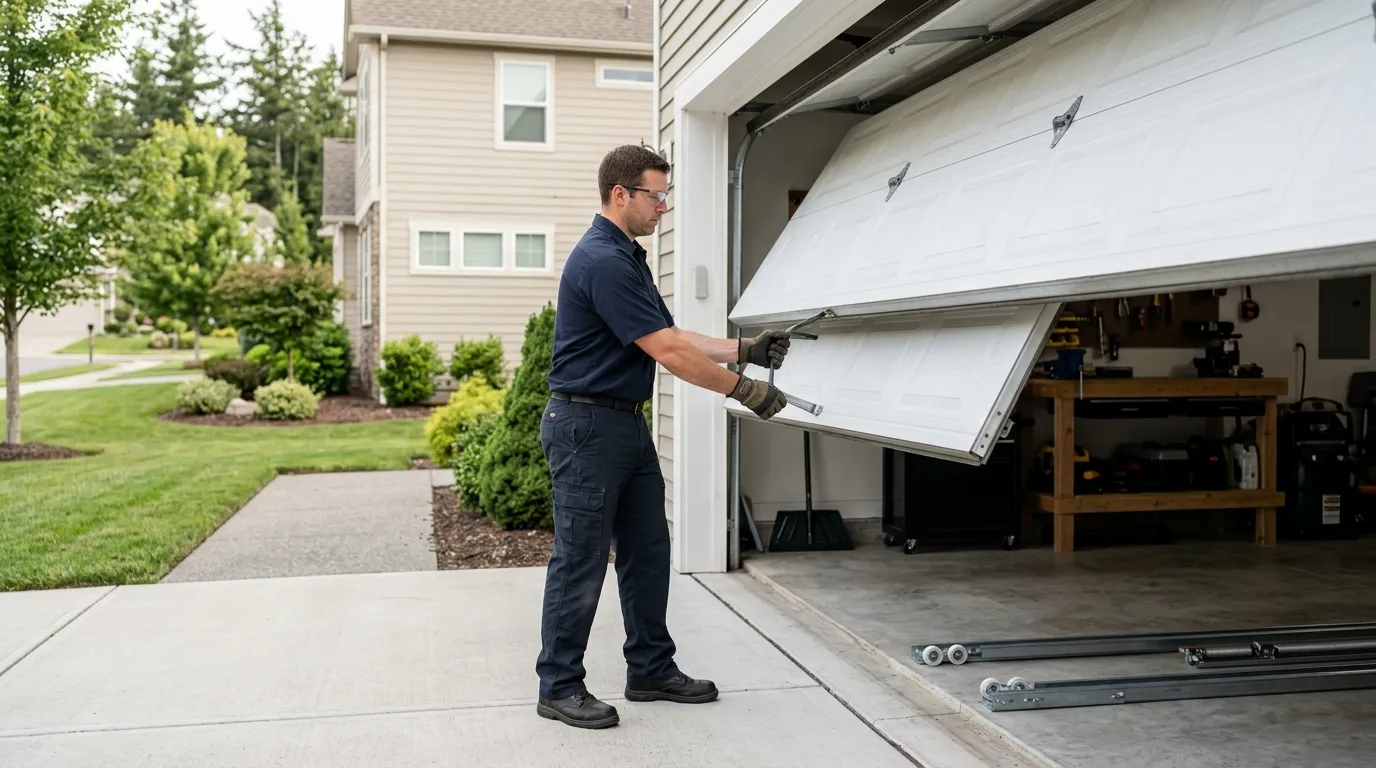
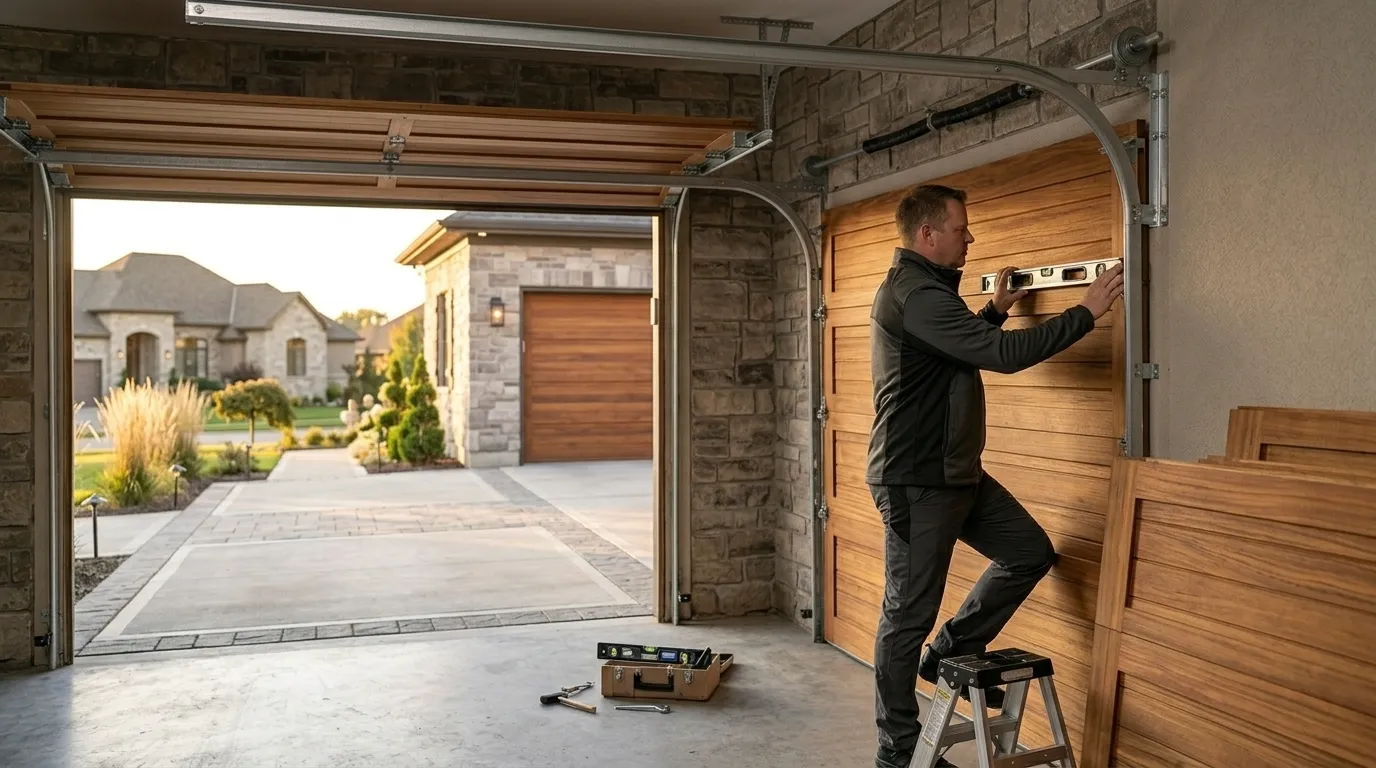
From Harpers Ferry, the calls trend toward one-off mechanical failures rather than the opener-and-sensor calls we get in newer construction. A spring snapping on a cold morning. A door that's come off track because a roller finally gave out. Occasionally a full door replacement where the existing door is too far gone - cracked wood panels, warped steel, hardware that's been welded or jury-rigged by a previous owner or repairman.
One honest limitation: because Harpers Ferry is 16 miles out and the housing here often needs non-stock parts, we can't always carry the exact part on the truck for a same-visit fix. Sometimes the first trip is diagnosis and measurement, and the second is the repair once we've sourced the right spring or bracket for a door that predates modern sizing standards. We'd rather tell you that than promise a one-trip fix on hardware we haven't seen yet.
How it works
From “it’s stuck” to “it’s fixed”
1
Tell us what’s wrong
Describe the symptom - won’t open, loud bang, opener runs but the door won’t move.
2
On-site diagnosis
A technician tests the door under power and by hand and finds what actually failed.
3
Clear, up-front plan
You get the fix that’s needed and what drives the cost - before any work starts.
4
Repaired & tested
The repair is done, the door is set true and tested, and the work area left clean.
Next step
Serving Martinsburg, WV - tell us what your door’s doing and we’ll take it from there.
Why would a Harpers Ferry garage door repair take two visits instead of one?
Because so much of the housing here dates to 1938, the springs, drums, and brackets are often sized differently than what's stocked for modern doors. If we haven't seen the exact hardware before, the first visit is often diagnosis and measurement, with a return trip to install the correct part.
Do you have a location in Harpers Ferry?
No. We're based in Martinsburg and travel to Harpers Ferry, about 16 miles away, for scheduled jobs. We don't keep a depot or promise a set response window for this distance.
Is it worth repairing an old garage door instead of replacing it?
It depends on the door. If the frame and track are sound and it's just a spring or roller, repair usually makes sense. If the panels are cracked or the hardware's been modified over the years, replacement is often the more honest recommendation.
Does the cold affect older garage door springs more?
Yes. Harpers Ferry falls in the same severe cold climate band as the rest of our coverage area, and older steel that's already fatigued from decades of use tends to fail first when temperatures drop, especially on hardware from the 1938-era housing common here.
Ready to get your garage door sorted?
Tell us what it’s doing and where you are in Martinsburg - we’ll take it from there.