What the Fix Involves
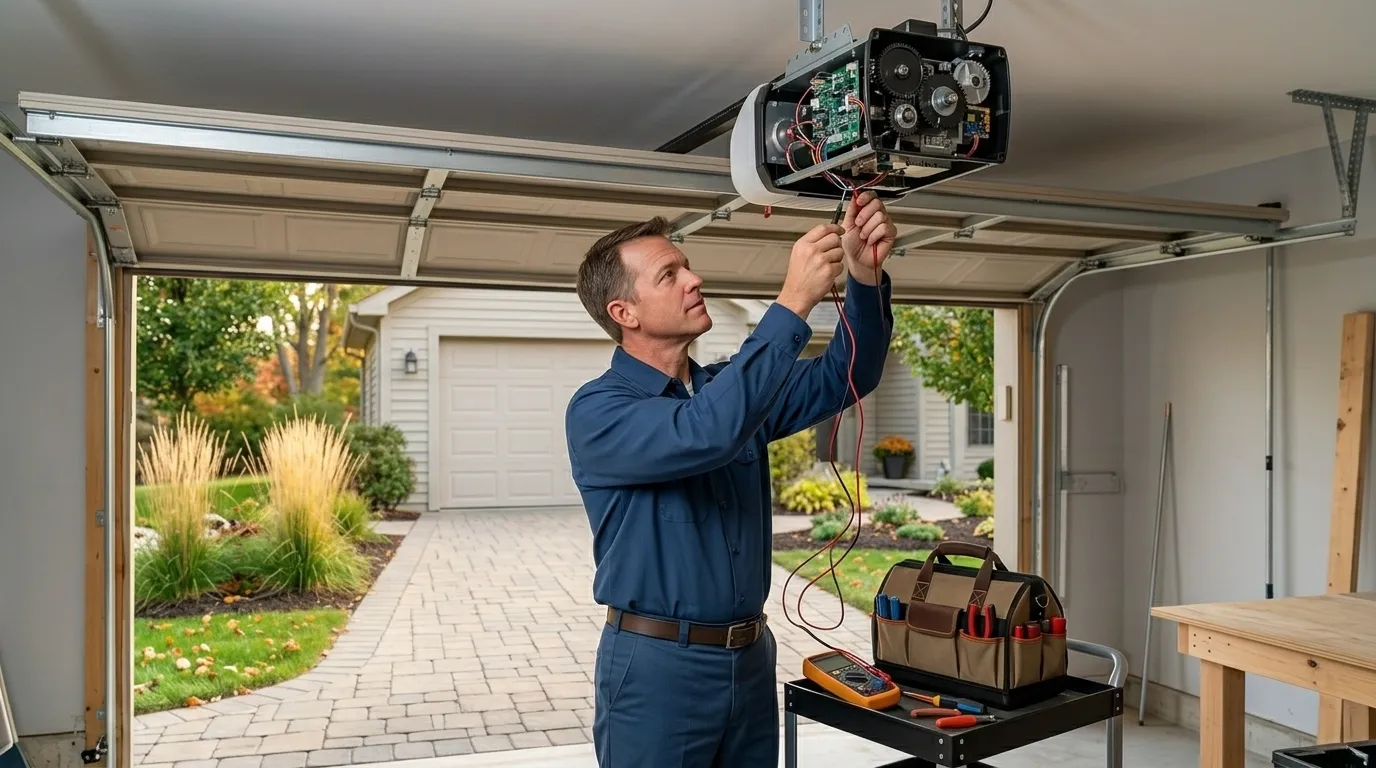
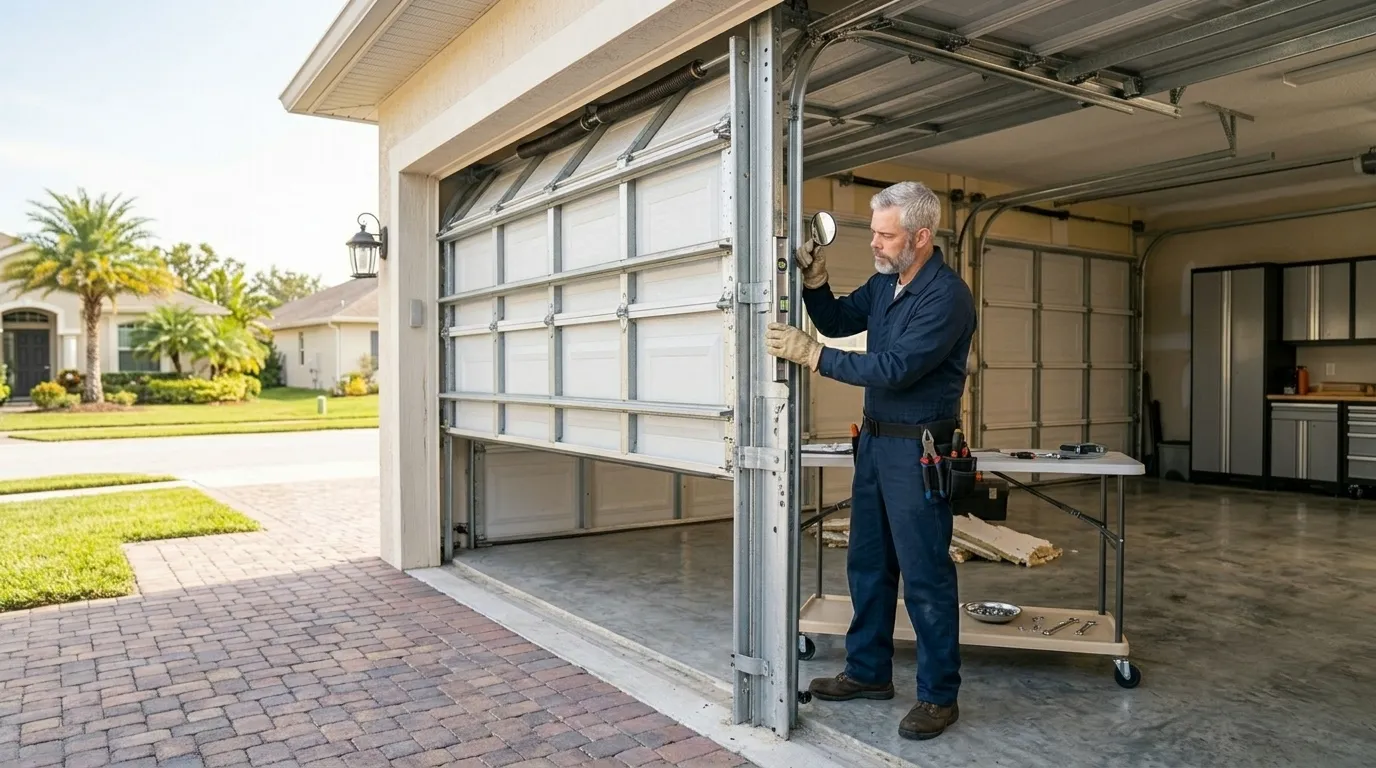
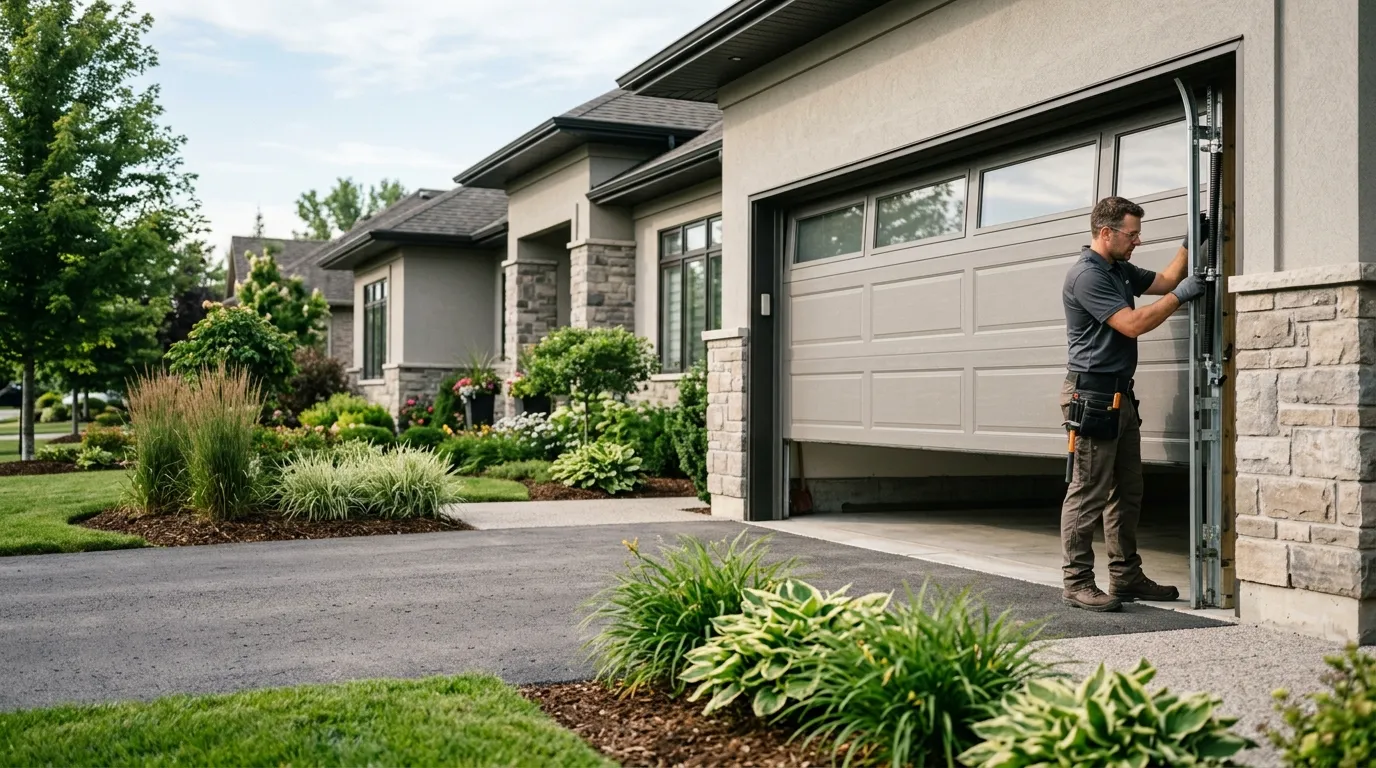
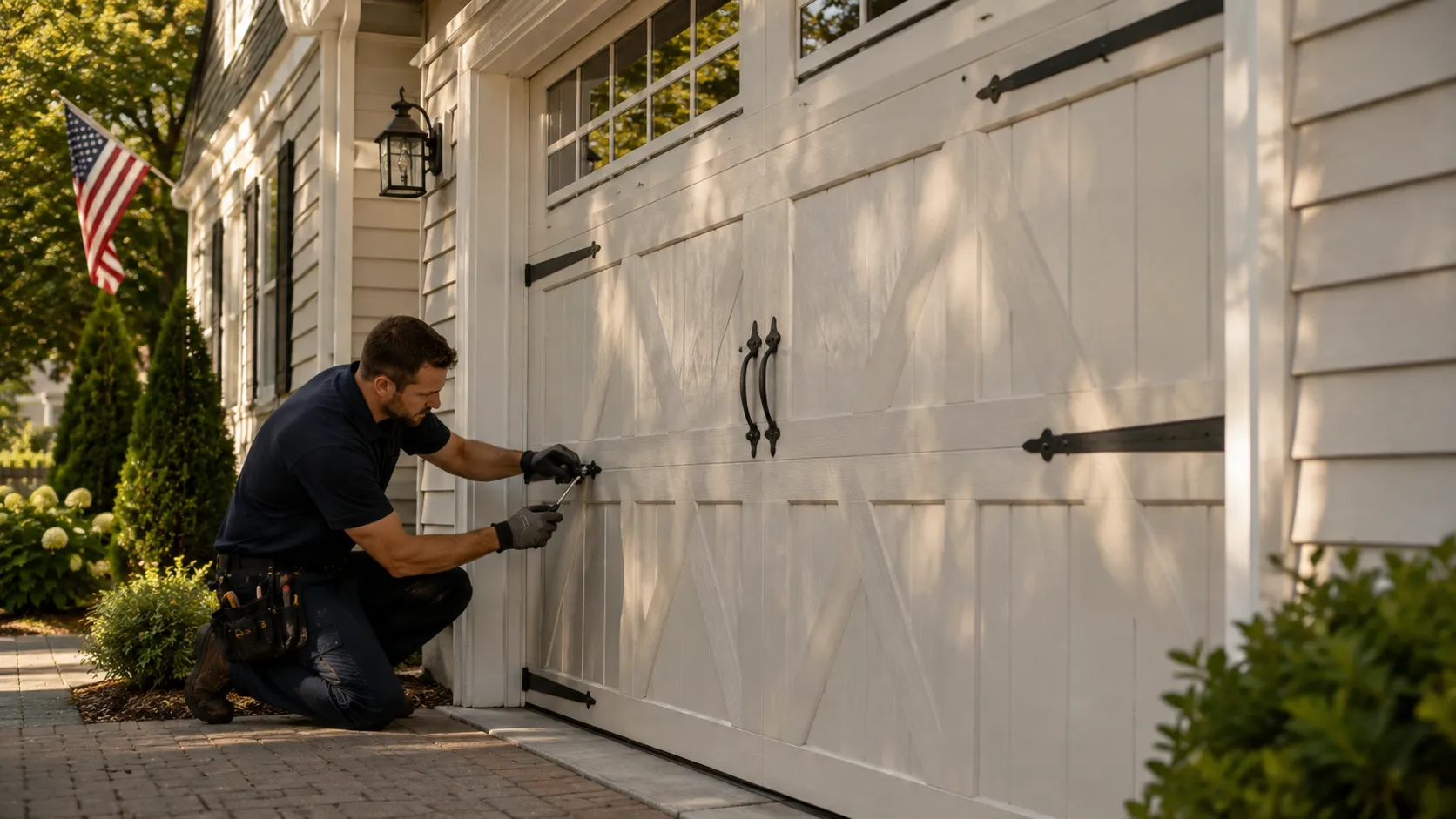
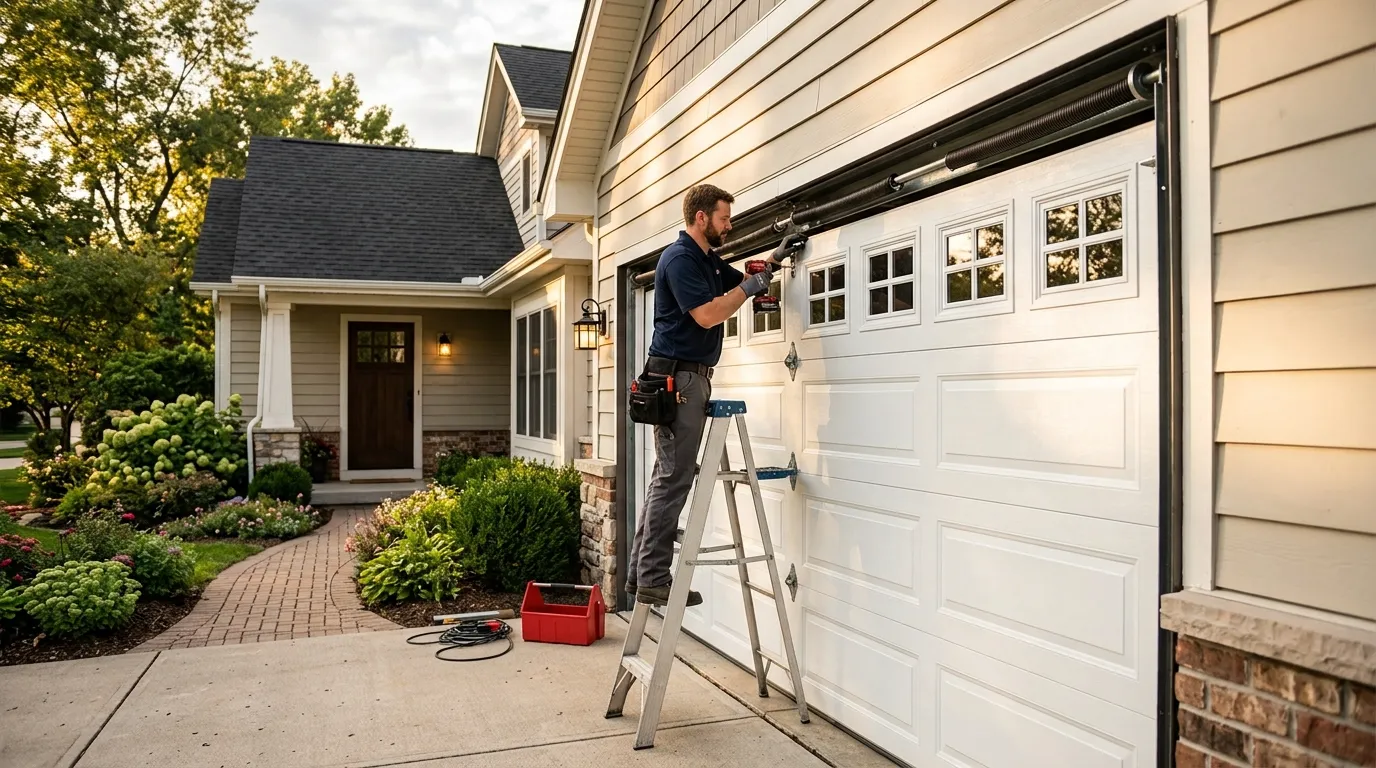
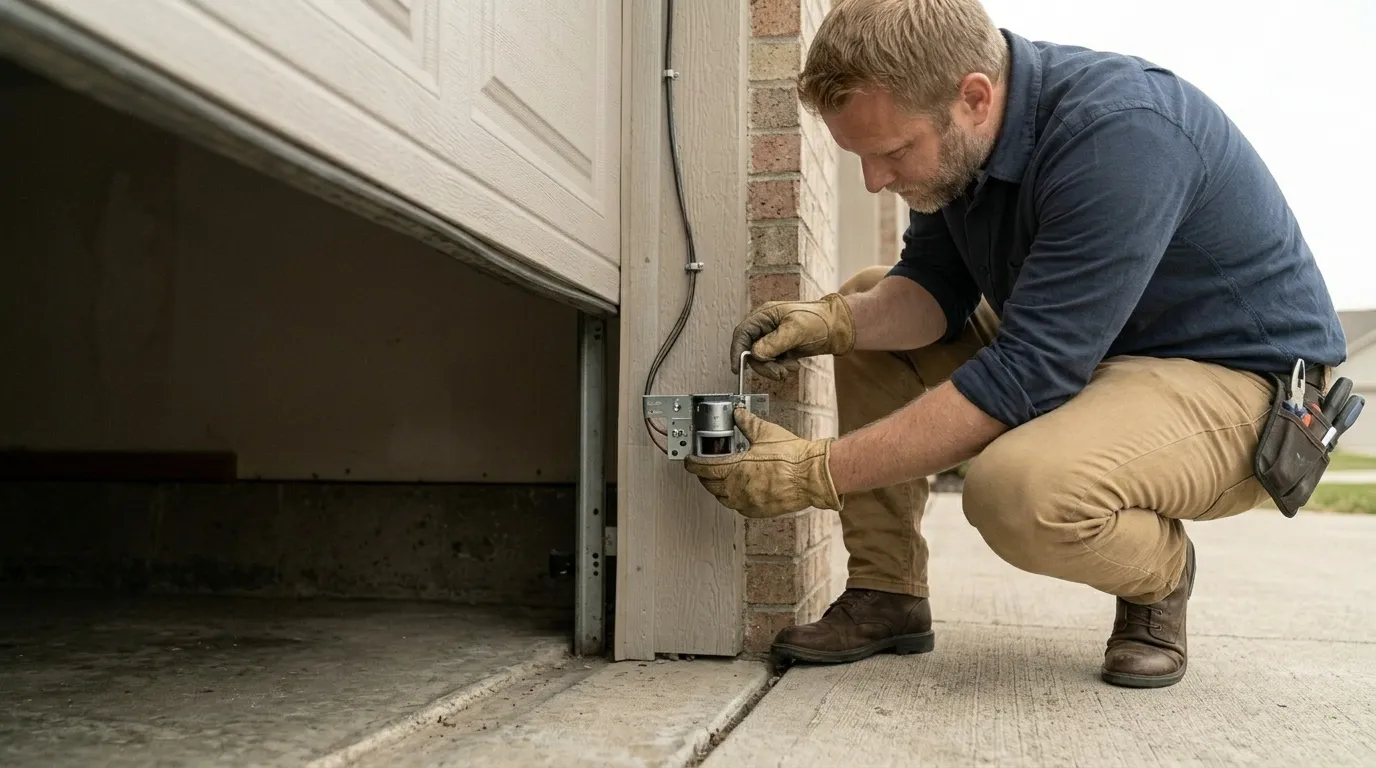
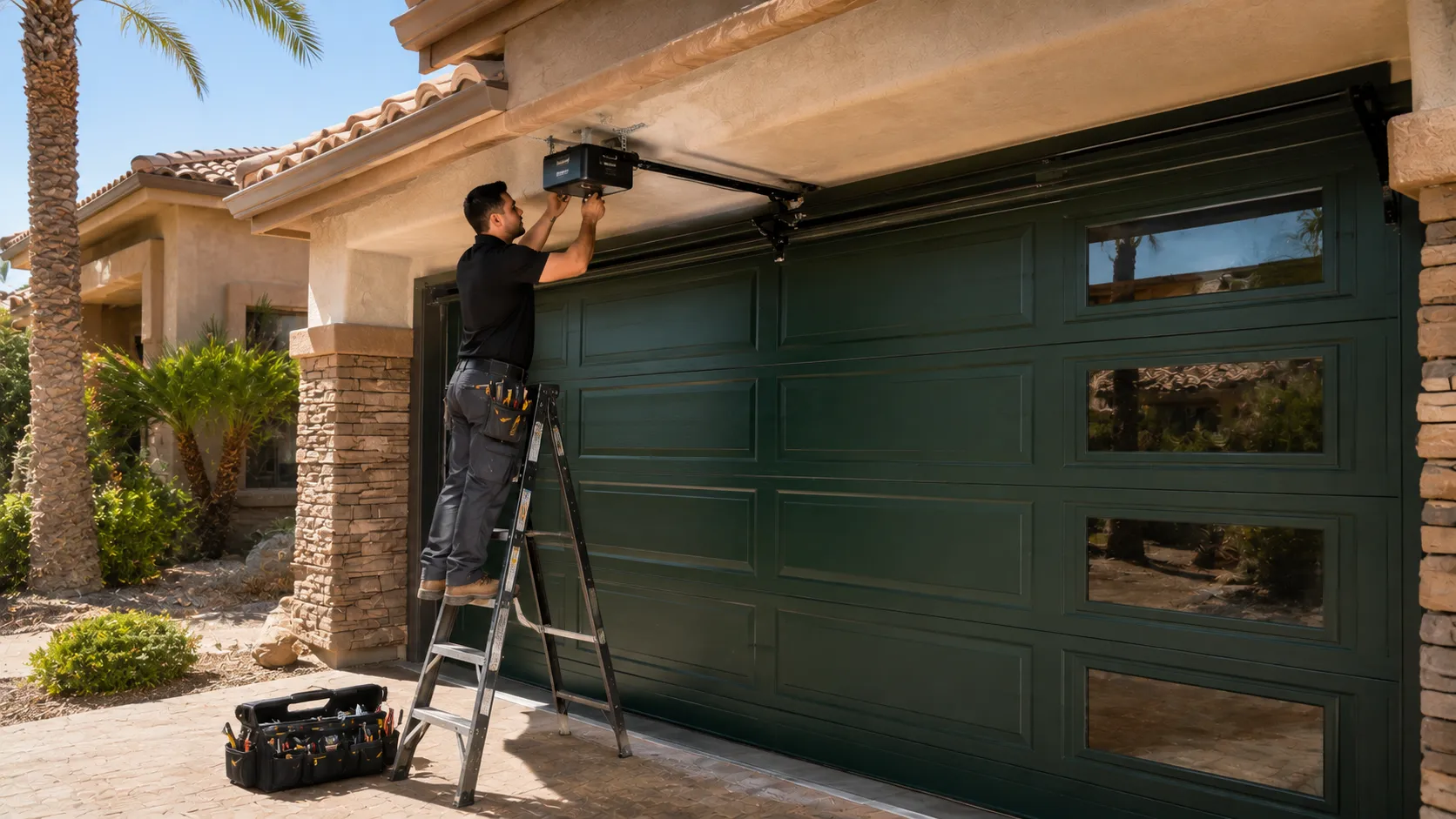
A new install here usually means pulling a factory door that's original to a house built around 2002 and putting in a door sized and insulated for how this door actually gets used now. We take out the old panels, track, and springs together - reusing an old torsion spring on a new door is a bad habit some crews carry over, and we don't do it. The new door gets sized to the existing opening (standard single or double bay for this era of construction), fresh track set plumb, and a spring matched to the new door's actual weight, not the old one's. If the opener is being kept, we check that the drive and travel limits still match the new door before we call the job done. If it's being replaced too, that's a separate conversation - this page is about the door and the hardware that hangs it, not the opener line.
What You Are Seeing
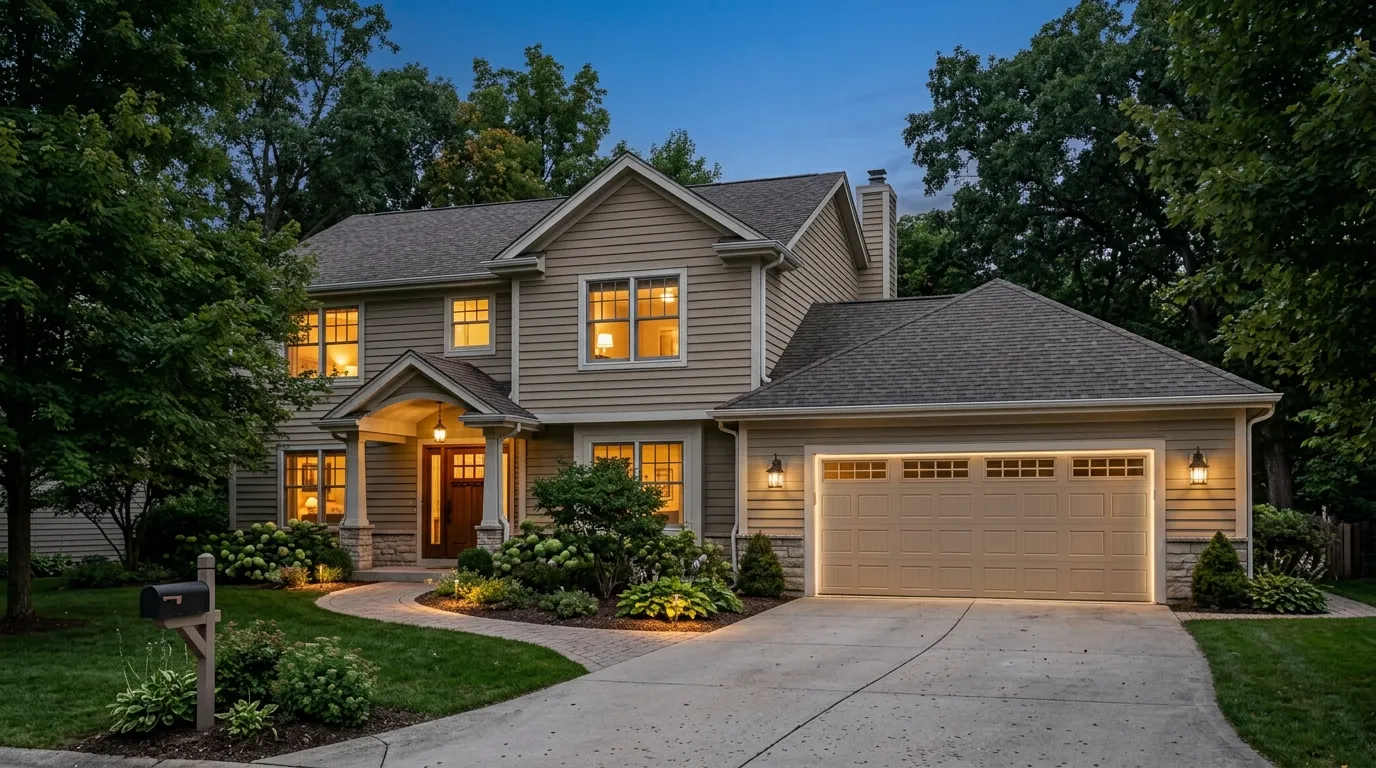
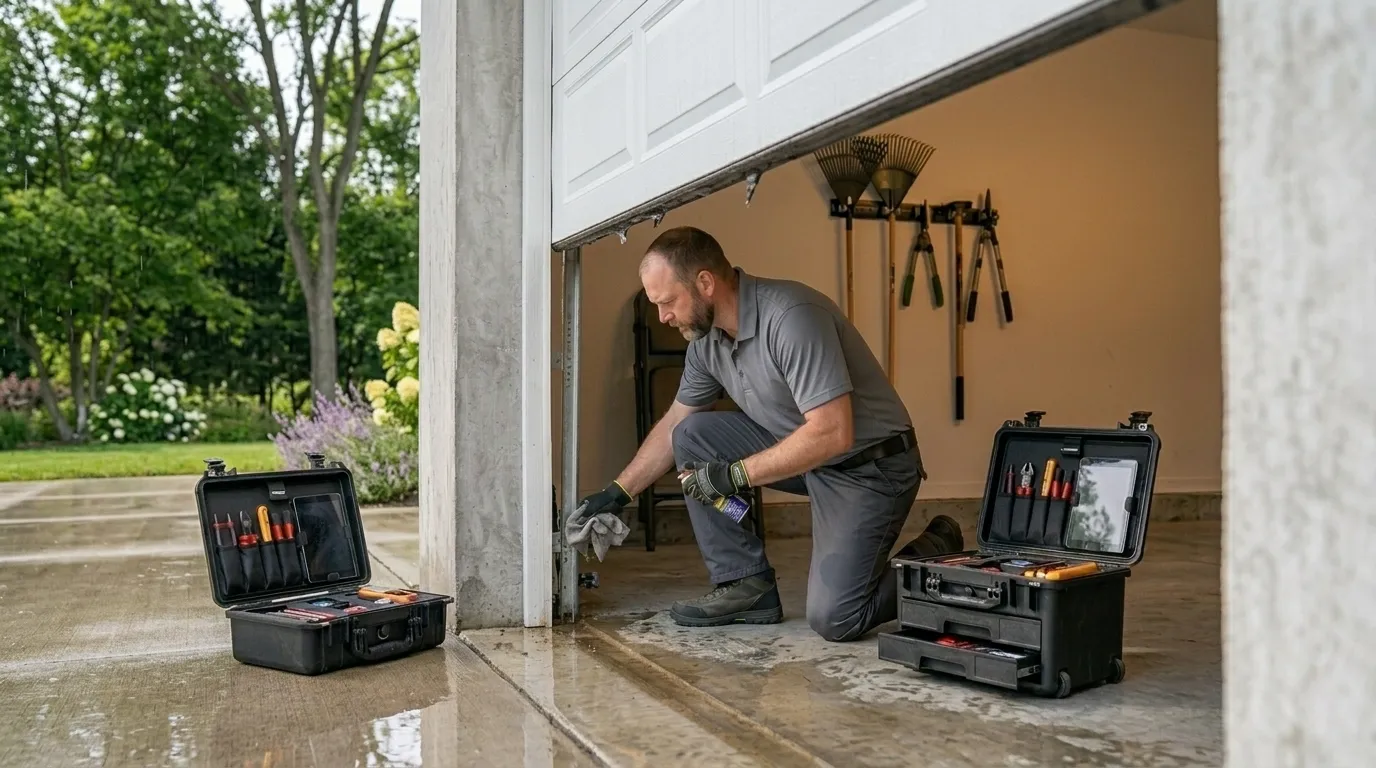
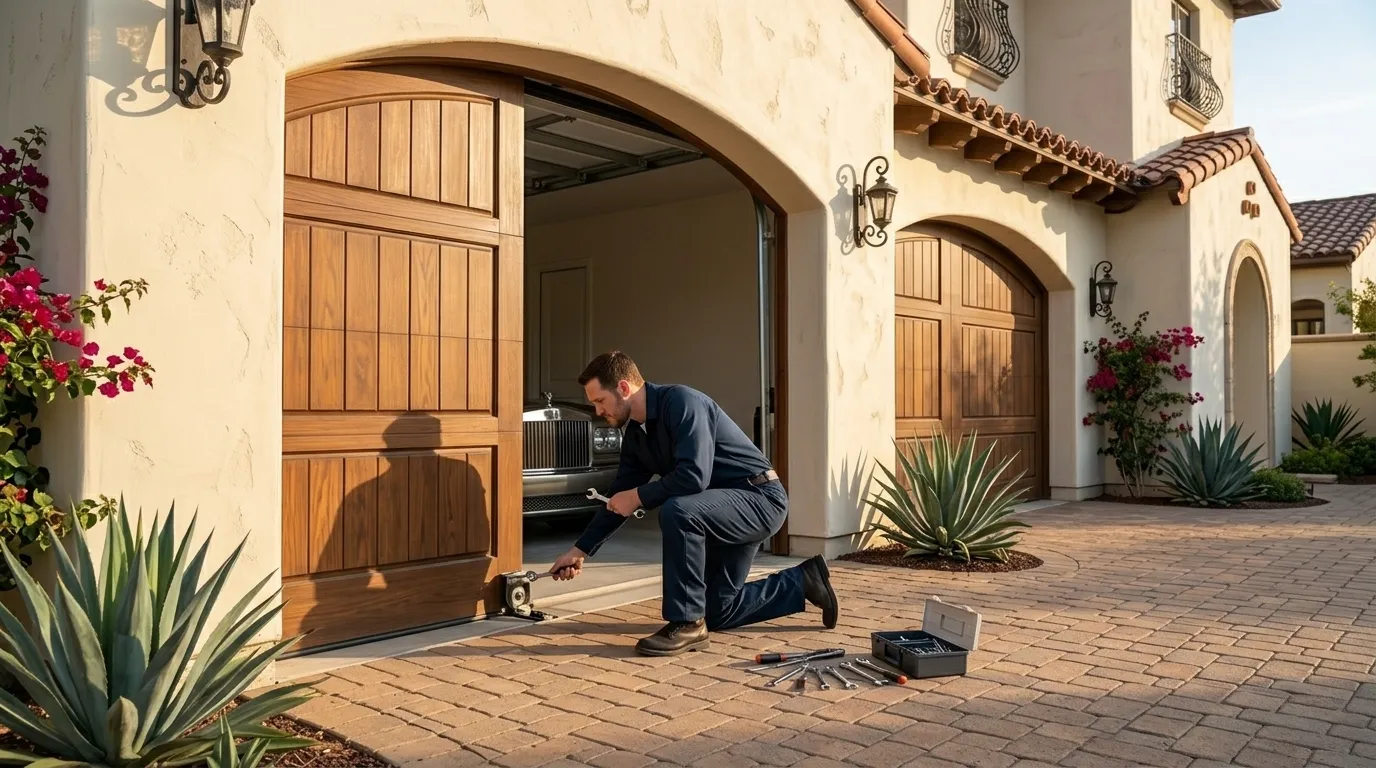
On a house built in 2002, the door is now old enough that the wear shows up in specific ways: rollers grinding in the track, a bottom panel that's taken enough knocks to bow, or a spring that's lost enough tension that the door drops the last foot instead of settling. None of that is unusual for a door pushing past two decades of daily use - it's just the point where patching stops making sense and swapping the unit does. What you generally aren't seeing in Inwood is the older wood-framed doors or the odd sizing that shows up in the service area's pre-1960s pockets. This is newer, more uniform housing stock, so the failure pattern is more consistent house to house: same era, same door, same wear.
The Cost of This Job
We don't have a set price to quote here - door size, insulation level, and whether the opener needs replacing too all move the number, and none of that gets fixed until we've measured the actual opening. What we can say is that Inwood's median household income sits at $82,267, and most of the quotes we write for this area land toward a mid-tier insulated steel door rather than the bare-minimum option or a premium custom order. That's not a promise of what you'll pay - it's just where the bulk of the requests we get from this part of the service area tend to fall. Ask for the itemized breakdown when we quote; door, track, spring, and labor are priced separately so you can see where the money's going.
Why This Fails Locally
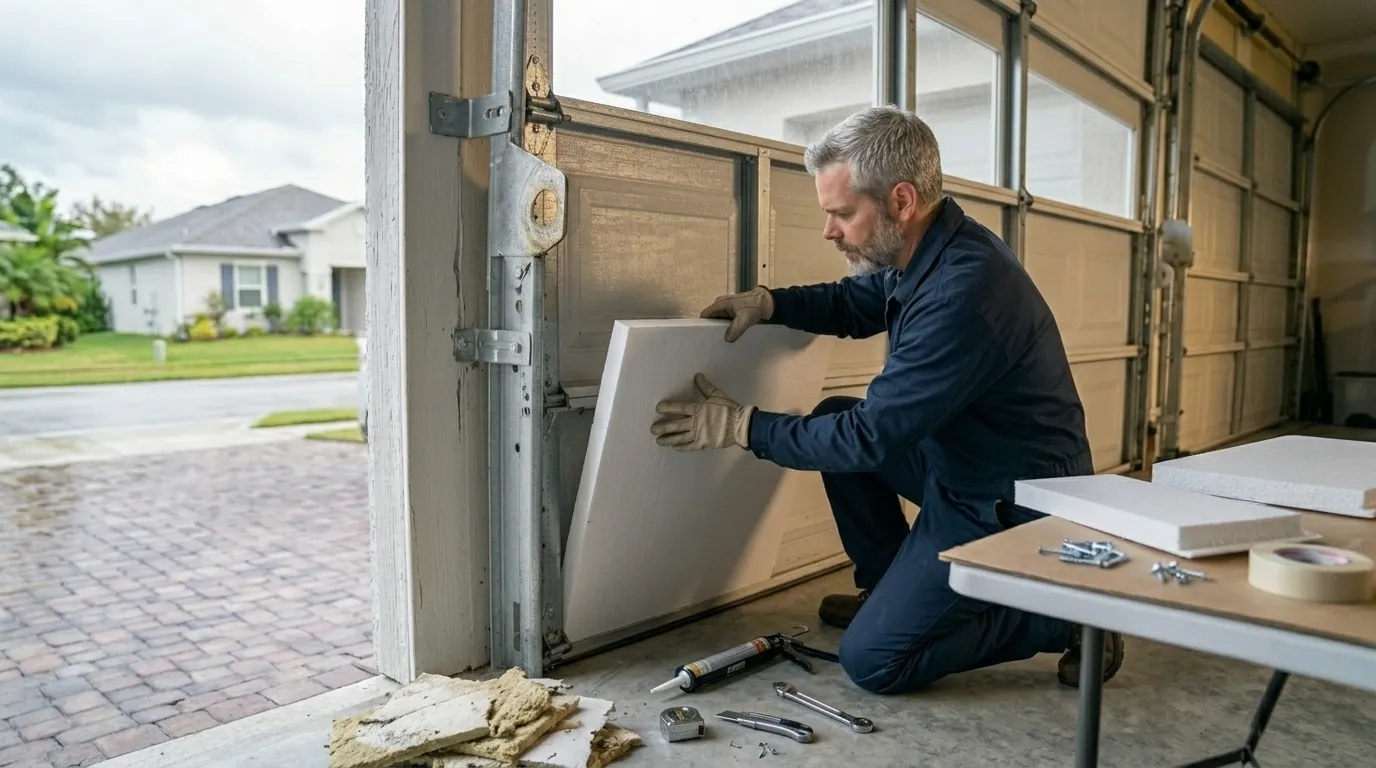
This region sits in a cold-climate band with real winter severity, and a lot of the doors going in around 2002 were built to the standards of that time - thinner steel skin, minimal or no foam core, single-layer weatherstrip. That was normal then. It's not enough now, and it's the main reason an aging Inwood door is worth replacing rather than patching: a bare steel panel in a severe-cold winter transmits cold into the garage and whatever's behind it a lot faster than a foam-filled door does. When we quote a replacement here, insulation rating is the first spec we talk about, ahead of color or window layout, because the climate is what's going to test the door for the next twenty years, not the showroom.