What the Fix Involves
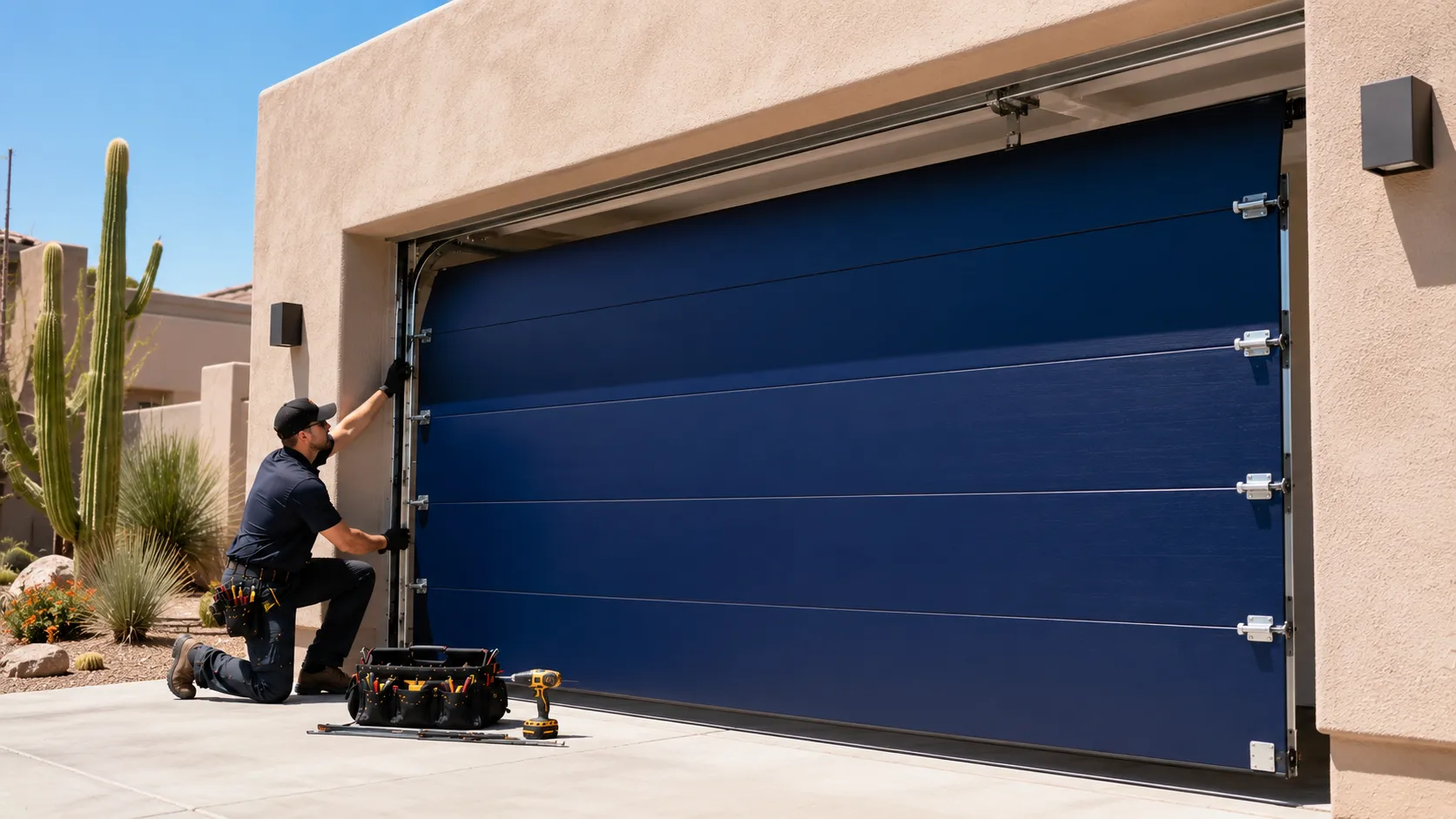
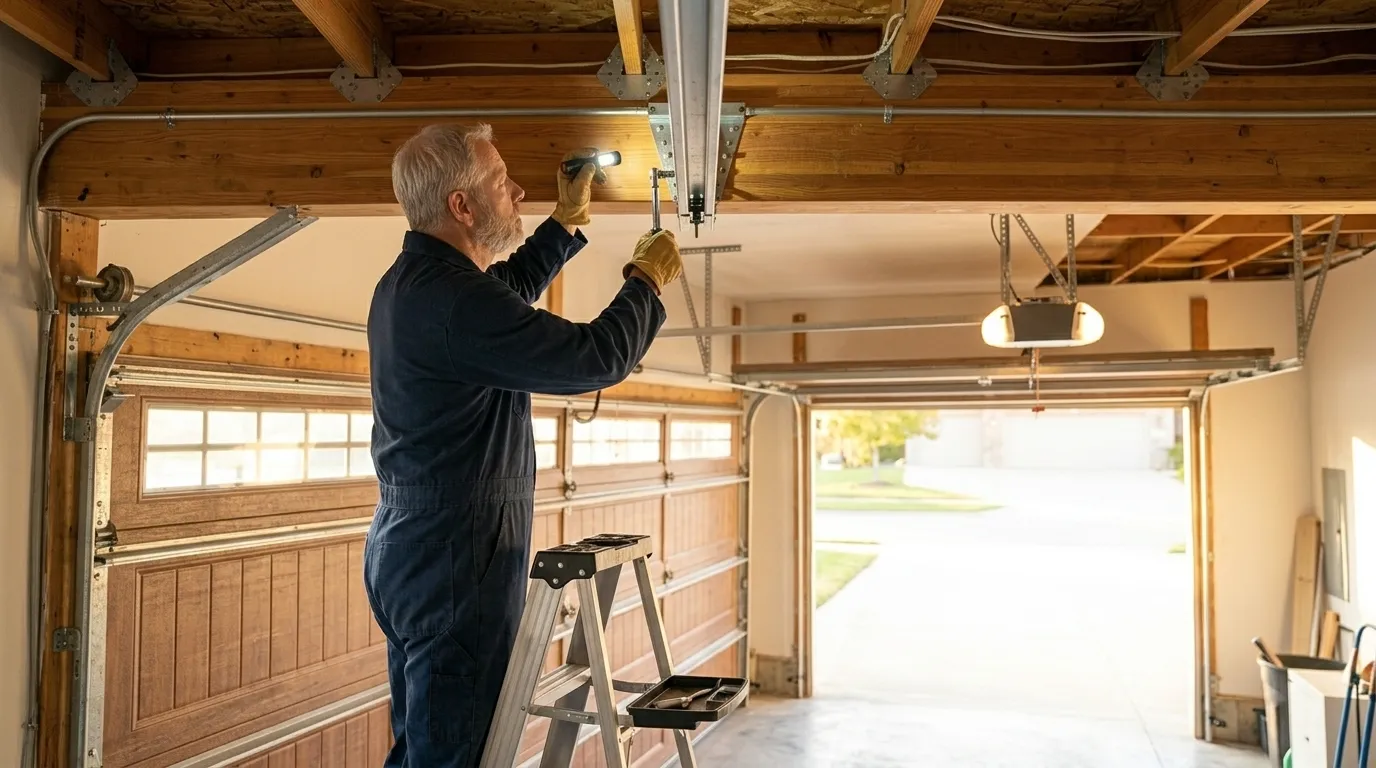
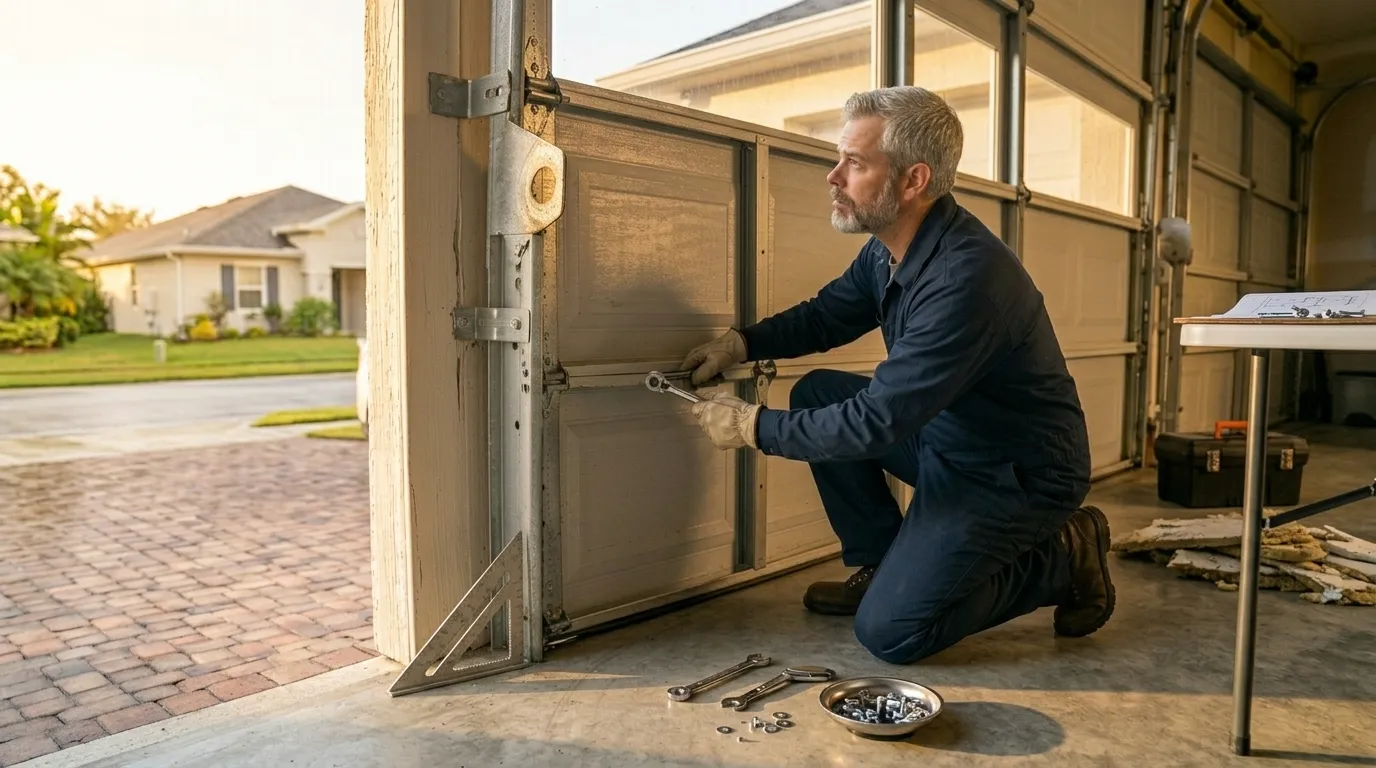
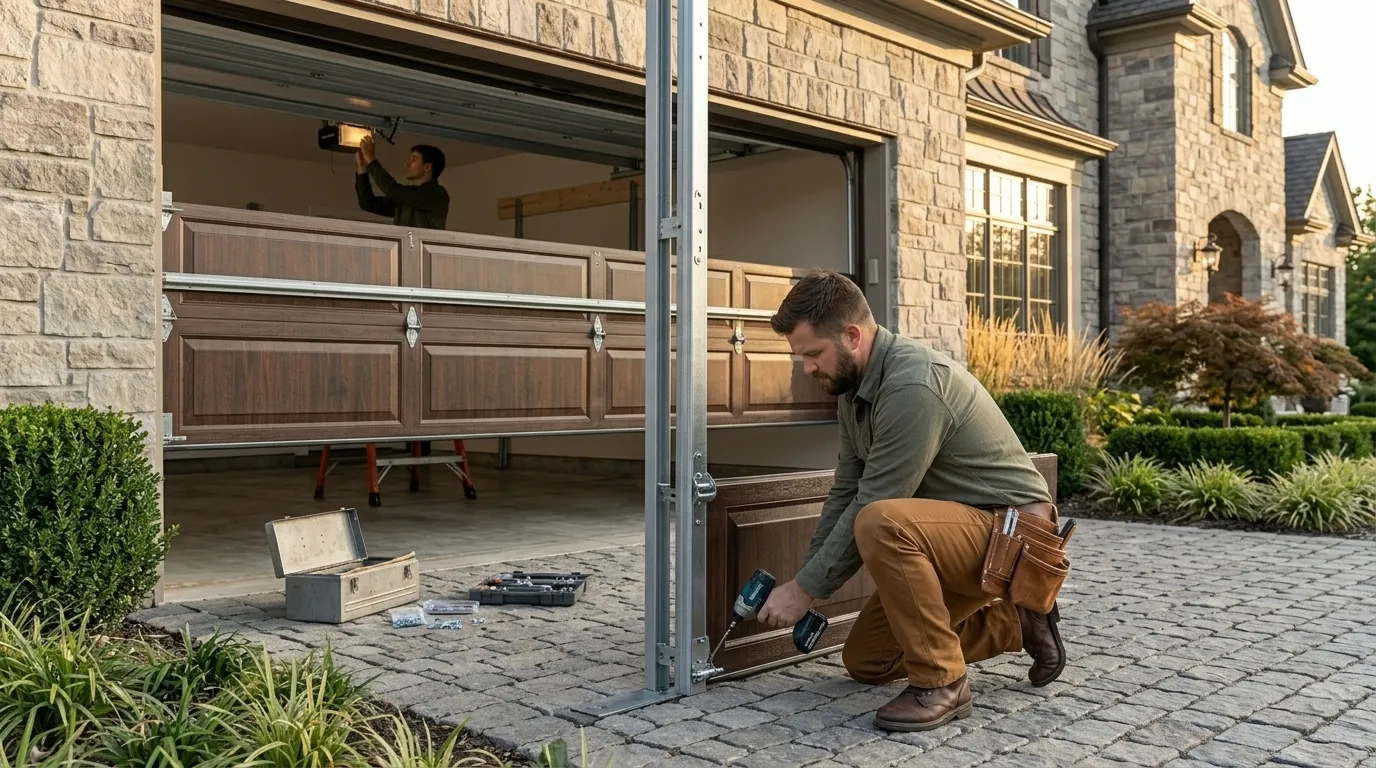
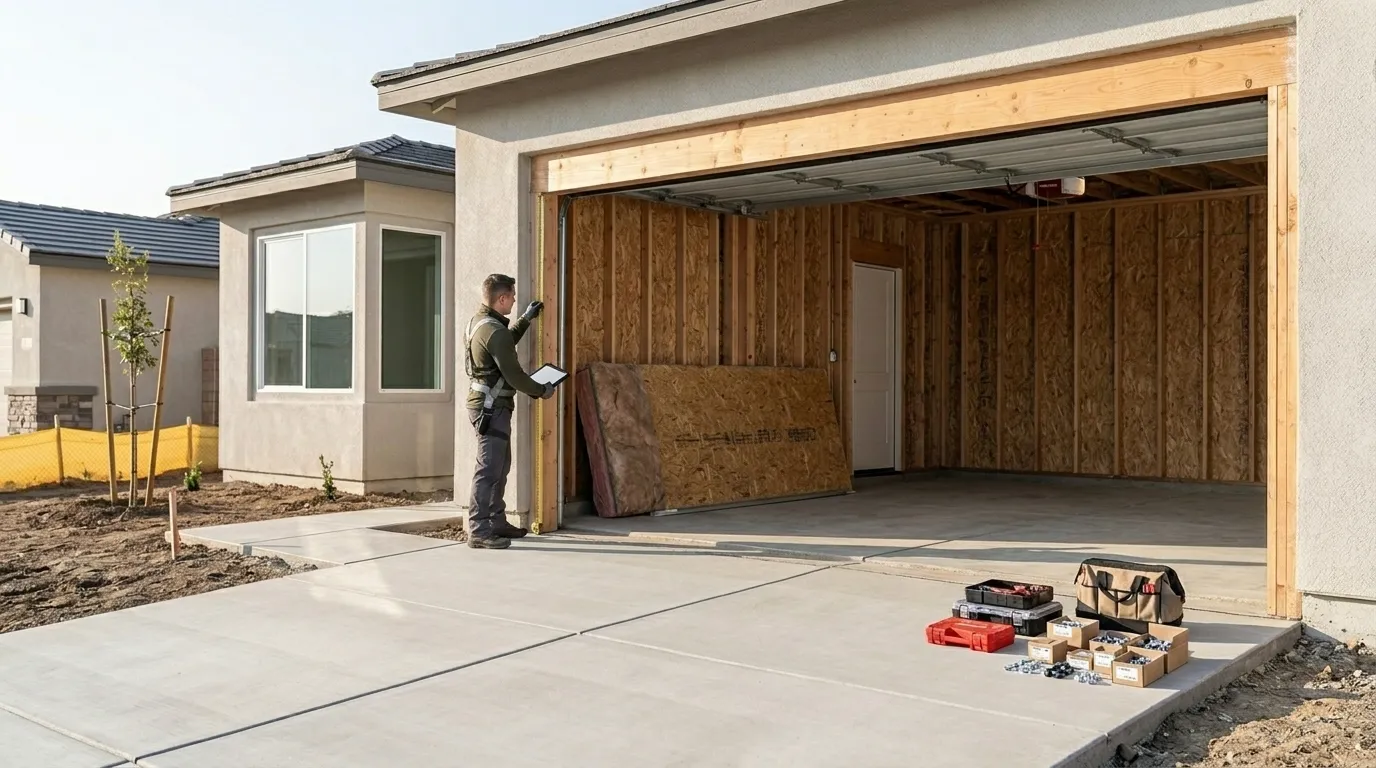
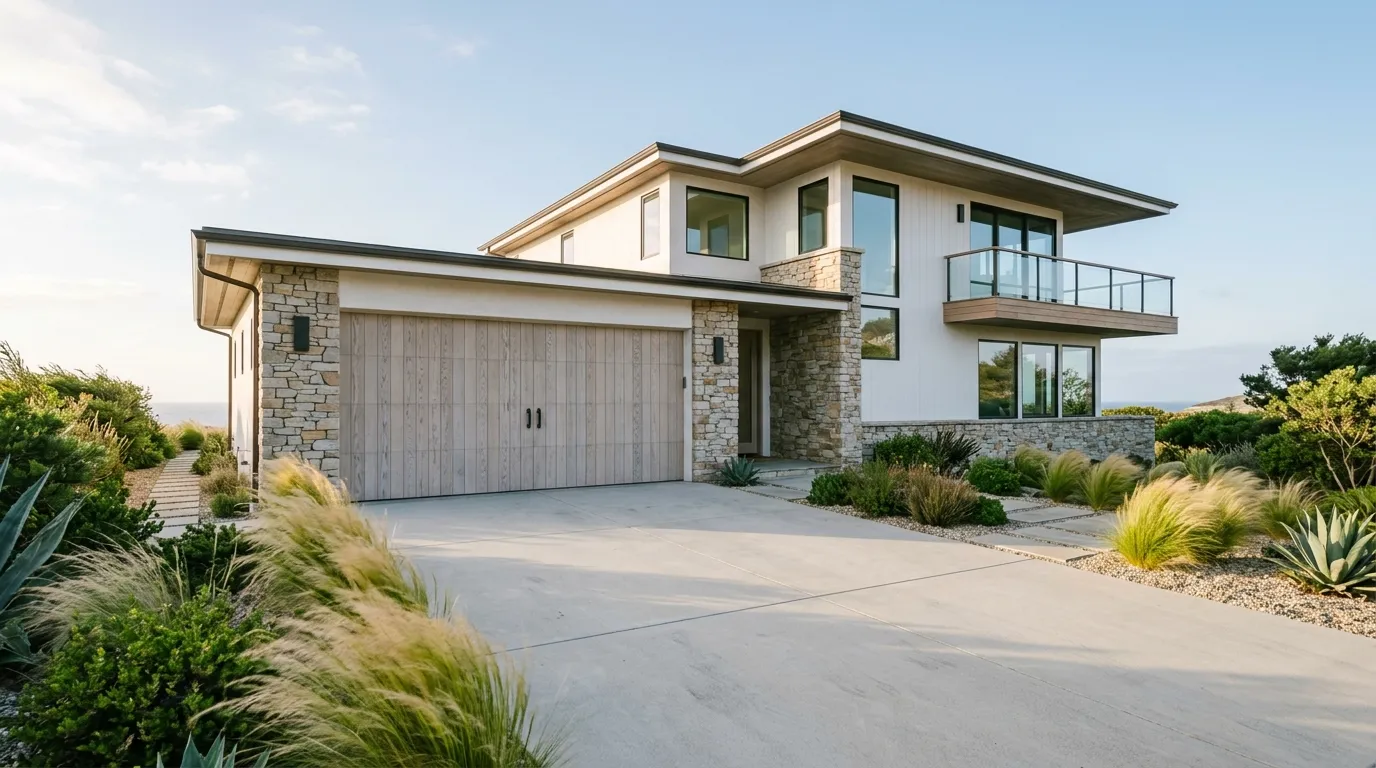
With a median build year of 2002, most Inwood garage doors are factory steel sectionals, not the older wood or fiberglass panel sets you'd find on a house from the 1960s or earlier. That's good news for a panel swap - steel sectional panels are more standardized, and matching an existing color and rib pattern is usually possible without repainting the whole door. The job itself is the same regardless of town: pull the damaged section, unbolt it from the hinges and rollers, fit the replacement, and re-hang it without disturbing the spring tension on the rest of the door. What differs here is the hardware you're working around. Newer doors from this build era commonly run factory insulated panels rather than solid steel, which means a bit more care matching the R-value and thickness so the new panel doesn't sit as a visibly different weight or color on the door. On a two-car door, we replace the section, not the whole door, unless the damage runs through the end stile or the track has been bent along with the panel.
What You Are Seeing
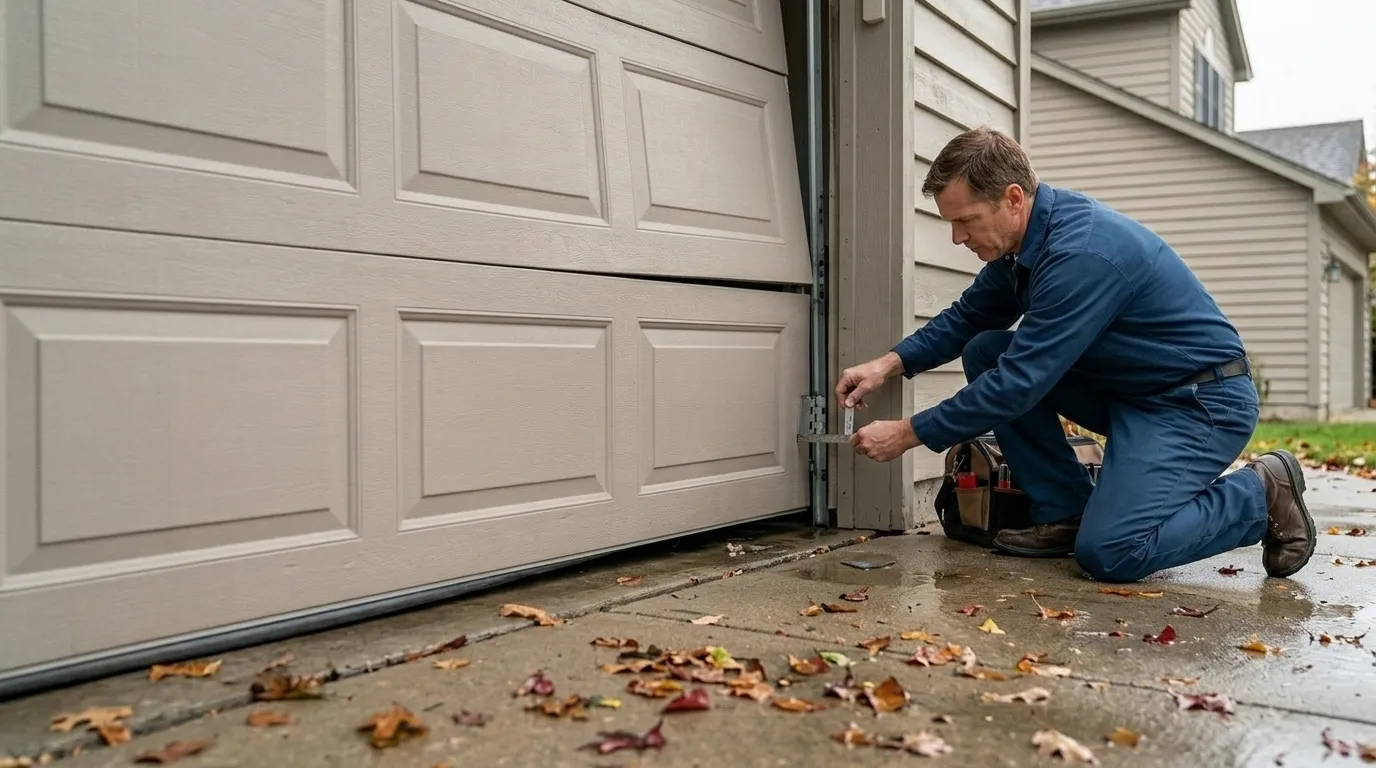
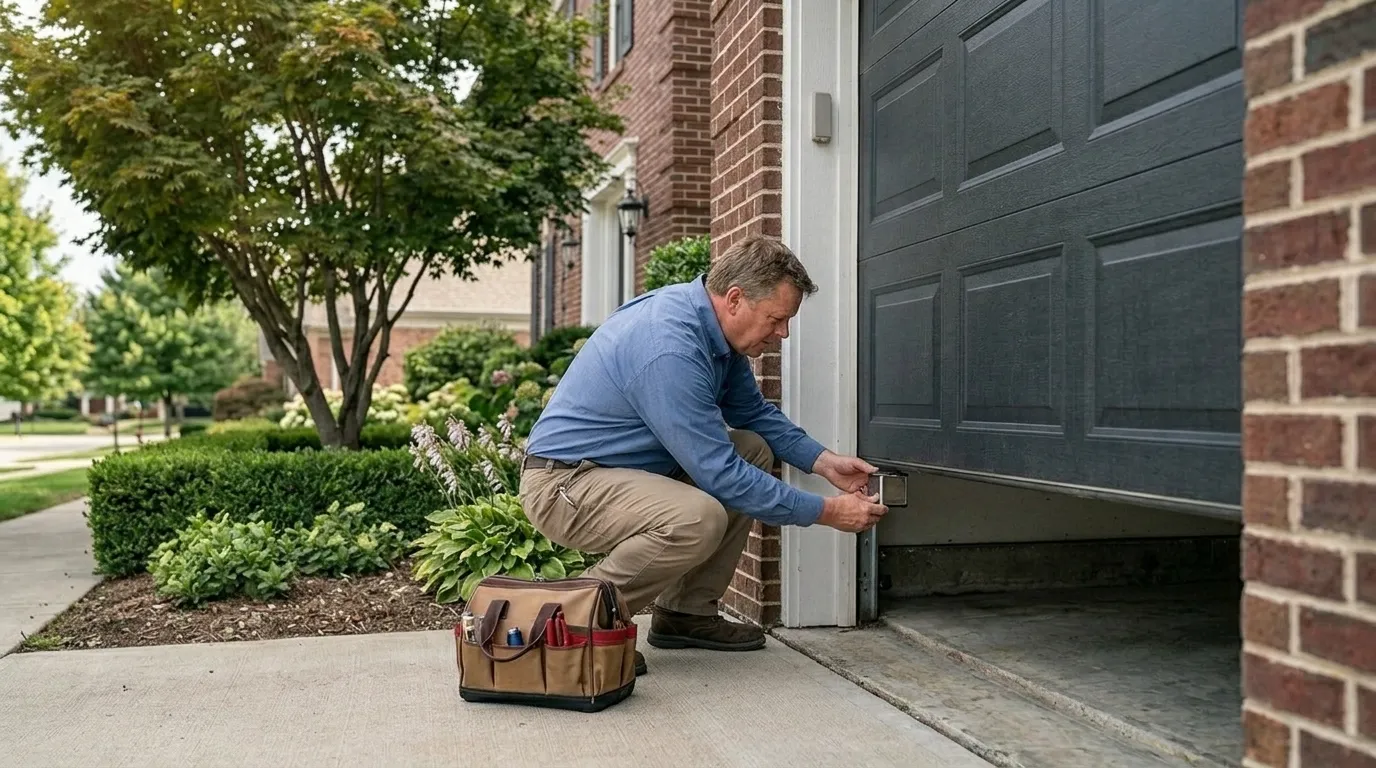
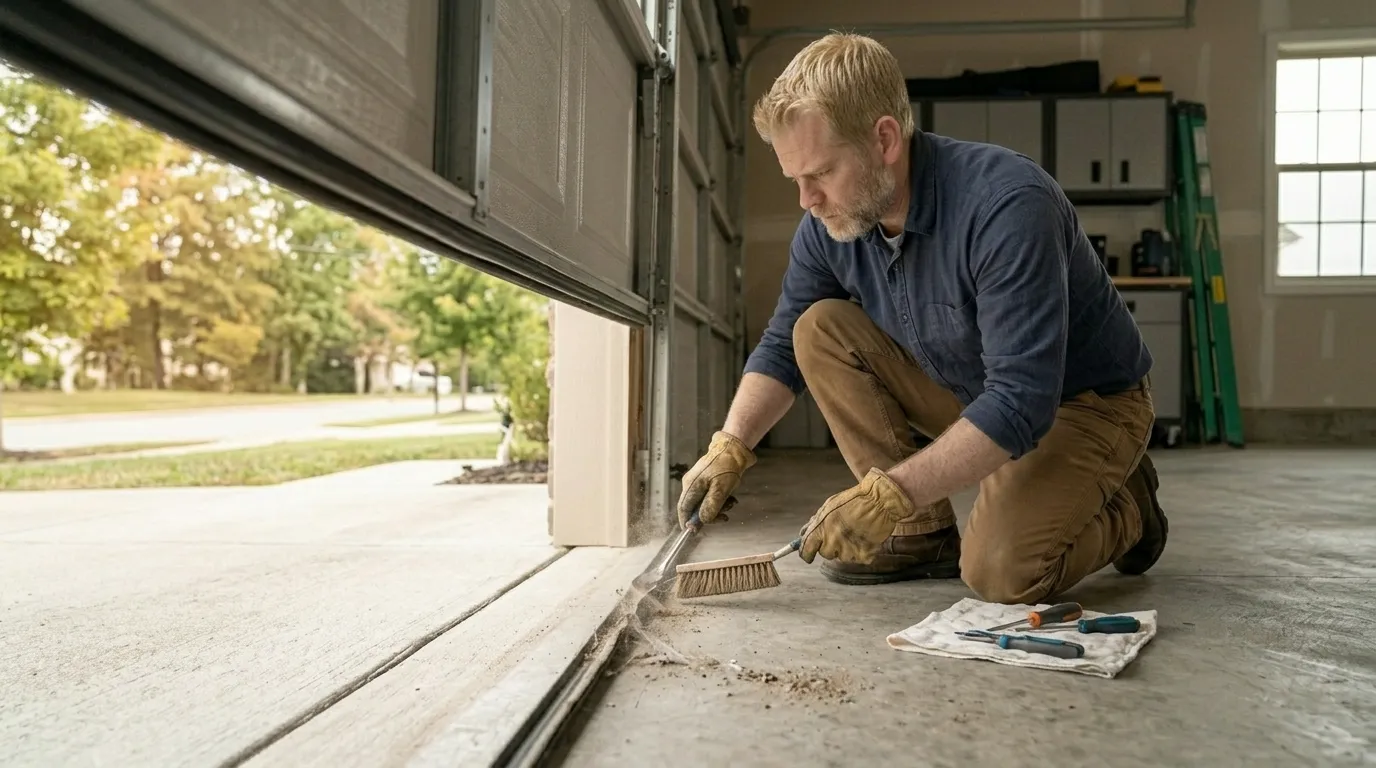
Panel damage on a 2002-era door usually comes from an impact - a car bumper, a thrown object, a ladder - rather than age failure, since these doors aren't old enough yet for the rust-through and delamination you'd see on much older stock. Look for a dent that's creased rather than just dished, a section that's visibly bowed when the door is down, or a panel edge that's pulled away from the roller track. If the crease runs the full width of the section, that panel is done - cosmetic filler doesn't hold on steel that's been bent past its yield point. A second thing worth checking: if the impact happened near a corner, look at the hinge mounting holes for elongation or tearing. That's a sign the hinge needs replacing along with the panel, not just the skin.
The Cost of This Job
Median household income in Inwood runs $82,267, a step below the wider Martinsburg-area figure. At that income level, a single-panel replacement on a still-serviceable door is almost always the right call over full door replacement - the section itself, hinges, and labor cost a fraction of a new door, and there's no reason to replace three good panels to fix one damaged one. The math changes if more than one panel is compromised, or if the track has bent along with the section, since at that point you're paying for panel-matching labor on top of hardware that's already failing elsewhere. We don't have a set price to quote in writing here, since panel cost depends heavily on the door brand and whether the section has to be special-ordered, but on a straightforward single-panel job on a common builder-grade door, replacement is the cheaper path more often than not for a household at this income level.
Why This Fails Locally
Inwood's housing stock, built mostly around 2002, sits in a cold-climate zone that gets real winter load on garage doors - freeze-thaw cycling that stresses seams and fasteners more than a mild-climate house would ever see. On a door this age, that shows up as panel seams working loose at the screw points, or a section flexing slightly at the crease line during a hard freeze, rather than the rust-through failure you'd see on a much older door. It's not a defect in the door - it's what a factory steel panel does after two decades of cold-region cycling. That's also why a like-for-like panel match matters more here than it would in a milder climate: mismatched panel gauge or insulation can create a cold spot that flexes differently from the rest of the door under freeze stress, which shortens the life of the repair even if it looks fine the day it's installed.